Why Did Mitsubishi Stop Making Sports Cars
Mitsubishi ceased production of sports cars due to declining sales and a strategic shift towards SUVs and crossovers. Economic challenges and market trends also influenced their decision.
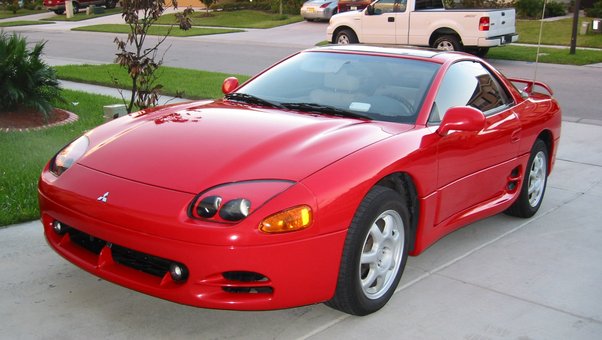
Mitsubishi Motors, once celebrated for its iconic sports cars such as the Lancer Evolution and the 3000GT, faced reality with changing automotive landscapes. Driven by consumer demand, the market shifted towards more practical and fuel-efficient vehicles, leaving sports cars with a narrower audience.
Mitsubishi smartly acknowledged this trend and realigned its focus towards the developing segments. The company has since invested heavily in SUVs, EVs, and crossover models, capitalizing on their growing popularity. This pivot reflects a broader industry trend, acknowledging the economic imperative to adapt to evolving consumer preferences and environmental considerations. By evolving their lineup, Mitsubishi aims to maintain relevance and profitability in an ever-competitive market.

Credit: www.quora.com
Rise And Fall Of Mitsubishi Sports Cars
The tale of Mitsubishi sports cars is one of soaring highs and sobering lows. Once celebrated as innovative powerhouses, these vehicles captivated enthusiasts’ hearts worldwide. Yet, their impressive journey eventually met a crossroads, leading to their quiet exit from the sports car stage.
Glory Days Of The Lancer Evolution
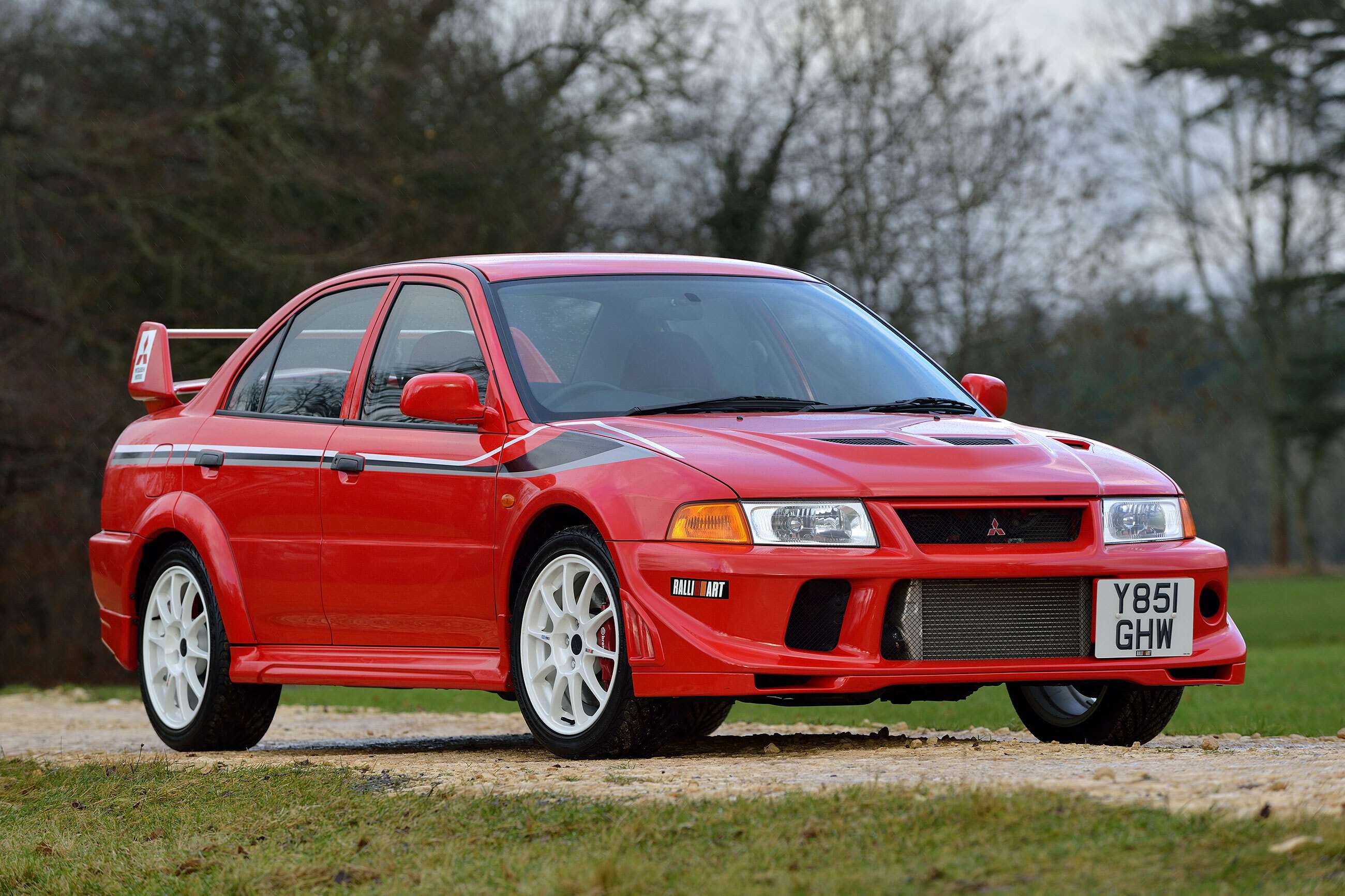
Unveiled to the world, the Mitsubishi Lancer Evolution stood as a titan among rally cars. Its dominant performance and precision engineering forged a legacy spanning generations. Relentlessly improved across ten versions, the Evo series continually pushed boundaries and gave enthusiasts pulse-pounding speed and agility—culminating in the Evo X.
- Superior AWD system: A technological marvel delivering unmatched control.
- 2.0L turbocharged engine: A powerhouse offering thrilling acceleration.
- Track-ready handling: A gift to drivers seeking excitement beyond the straightaway.
Decline In Popularity And Sales
As years passed, the spotlight on Mitsubishi’s sports cars dimmed. The Evo series, once the brand’s crown jewel, faced challenges that led to declining sales. Consumer preferences shifted towards fuel-efficient and environmentally friendly vehicles. Mitsubishi’s sports cars, with their thirst for fuel, struggled to keep pace.
Economic factors played a role as well. Balancing performance with cost became increasingly tough. Mitsubishi needed to direct resources to areas with higher demand, like SUVs and electric vehicles. This strategic pivot marked the sunset of a beloved name in sports car history.
| Year | Sales | Impact |
|---|---|---|
| 2010 | High | Racing success boosts sales |
| 2015 | Declining | Consumer interest wanes |
| 2016 | Low | End of Lancer Evolution production |

Credit: www.motor1.com
Market Shifts And Consumer Trends
Car enthusiasts often ask why Mitsubishi stopped making sports cars. The answer lies in the dramatic changes in the automotive market. Consumers today have different needs and priorities. They choose vehicles that match their lifestyles. Mitsubishi recognized this shift. They adjusted their production to meet these new demands.
Global Shift Towards Suvs And Crossovers
The global automotive trend has seen a strong pivot towards SUVs and crossovers. Data shows a rise in sales for these types of vehicles. Buyers prefer the higher seating position. They like the extra space and versatility. The sports car market faced stiff competition. It dwindled as a result.
- Increased popularity of SUVs and crossovers
- Consumer preference for practicality and stance
- Diminishing sports car sales
Environmental Concerns And Emission Standards
Environmental impact has become a hot topic. Governments worldwide set stricter emission standards. This push for eco-friendliness has a significant effect. It changed the way car manufacturers design their models. Sports cars often have larger, more powerful engines. These engines can struggle to meet new regulations. Mitsubishi shifted focus. They aimed for more sustainable, greener vehicles. This aligned with evolving regulations and consumer expectations.
| Factor | Impact on Sports Cars |
|---|---|
| New emission standards | Limits for CO2 emissions |
| Consumer environmental awareness | Preference for greener vehicles |
| Cost of adjustments | Higher production costs for compliance |
Financial Struggles And Strategic Decisions
Many car fans wonder why Mitsubishi, once a beacon of performance, left the sports car scene. Understanding this shift involves looking at their financial picture and strategic choices.
Mitsubishi’s Economic Challenges
Mitsubishi faced tough times in the automotive market. Serious financial pressures altered their production priorities. They had to rethink their lineup. Sports cars, beloved by many, did not escape these hard decisions.
Profit margins for performance cars thinned out. Mitsubishi had to focus on survival. The cost of developing sports cars, like the iconic Lancer Evolution, was high, while the returns became less certain.
Sales for mainstream models outpaced the niche sports car market. This pushed Mitsubishi towards a poignant reality. They sought to stabilize their financial standing, and reluctantly, sports cars were sidelined.
Strategic Move To More Profitable Segments
The auto landscape shifted, and consumer preferences played a big part. Buyers showed a growing interest in SUVs and crossovers. Mitsubishi saw this trend and pivoted accordingly.
They directed their resources into these segments. This strategic choice aimed to capture market share where demand was booming. It was not just about keeping up. It was about thriving.
Sustainable growth became the top priority. The decision to halt sports car production was a step towards a focus on more profitable models. Mitsubishi sought to safeguard its future, putting its sports car legacy on hold.
Environmental regulations also shaped their path. Global markets demanded more fuel-efficient and eco-friendly vehicles. Mitsubishi responded, investing in technologies that aligned with these needs.
To sum up, Mitsubishi’s journey away from sports cars was complex. It involved financial hurdles and shifts in global auto trends. Today, they continue pursuing success in areas with higher market potential.
&width=1600)
Credit: www.goodwood.com
Technological Changes And Competition
The automotive landscape has witnessed a seismic shift due to technological changes and competition. Factors like electric and hybrid innovations have influenced car manufacturers globally. Mitsubishi, a once prominent name in the sports car arena, had to make tough decisions about its product line-up. Let’s delve into the details and understand the role of technological advancements and the fierce competition that led to Mitsubishi’s exit from the sports car market.
Advancements In Electric And Hybrid Technology
The era of electric and hybrid vehicles has arrived with a bang, redirecting the focus of many car manufacturers. Mitsubishi embraced these changes, prioritizing resources for developing more sustainable automobiles.
With stringent emission standards and a growing eco-conscious consumer base, investment in sports cars seemed less viable. Emphasis on innovation in electric technology demanded significant investment, diverting funds from performance-oriented vehicles like sports cars.
Increasing Competition From Other Automakers
| Competitor | Sports Car Models |
|---|---|
| Nissan | 370Z, GT-R |
| Toyota | Supra, 86 |
| Honda | NSX, Civic Type R |
Mitsubishi found itself in a tough position against rivals. Brands like Nissan, Toyota, and Honda were not only continuing to produce sports cars but were also innovating swiftly within the segment. This rising competition exerted pressure on Mitsubishi, which had limited resources to divide between development of new sports models and competitive mainstream vehicles.
- Market trends shifted towards SUVs and crossovers.
- Consumer demand for sports cars declined.
- Affordable performance models from competitors ate into potential profits.
Ultimately, Mitsubishi opted to focus on areas where they could be more competitive. They directed their efforts into sectors predicted to grow, such as electric vehicles and compact crossovers, leaving behind the sports car legacy they once held.
The Influence Of Partnerships And Alliances
Understanding Mitsubishi’s decision to stop producing sports cars requires a look at partnerships and alliances. These relationships often shift a company’s direction and focus. Behind the curtains of Mitsubishi’s iconic sports car lineup, strategic alliances played a crucial role. Let’s dive into how these partnerships influenced their business choices.
Nissan-renault Alliance Impact
In 2016, Mitsubishi joined an influential group, the Nissan-Renault Alliance. This partnership reshaped priorities and resources. The alliance’s focus on shared platforms and efficiency gains meant less room for niche models like sports cars. Mitsubishi’s role within this alliance steered it away from its performance roots to more collaborative and profitable ventures.
Shift In Corporate Focus After Partnerships
Post alliances, Mitsubishi’s focus shifted significantly. The company’s strategy leaned towards SUVs and electric vehicles (EVs), areas with growing demand and potential for high volume sales. With its partners championing the mass-market approach, Mitsubishi’s sports car legacy took a back seat. The company’s resources and development efforts realigned with the partnership’s shared vision of sustainability and practicality.
The Legacy And Future Of Mitsubishi In Motorsports
Mitsubishi’s departure from producing sports cars shook fans worldwide. Yet, the brand’s race-bred spirit still influences its automotive DNA. We dive into Mitsubishi’s past accolades and peer into what the future might hold for its sports car lineup.
Mitsubishi’s Enduring Motorsport Heritage
Mitsubishi has etched its name in the annals of motorsport history. Iconic victories and legendary vehicles chronicle this journey. The Lancer Evolution series, in particular, cemented a legacy on rally stages with numerous World Rally Championship (WRC) triumphs.
| Year | Accomplishment |
|---|---|
| 1996-1999 | 4 consecutive WRC Drivers’ Championships |
| 2001 | WRC Constructors’ Championship |
- Lancer Evolution series
- Pajero wins at Dakar Rally
Potential For Future Sports Car Reintroduction
The question on every enthusiast’s mind is, “Will Mitsubishi make sports cars again?” Signs point to a potential revival, sparked by shifts in market trends and advancements in electric vehicle technology.
Rumors suggest a new model could blend Mitsubishi’s rally heritage with modern tech. Eco-friendly power merged with exciting performance could lead to a reimagined sports car from the iconic brand.
- Rumored new sports model
- Hybrid or electric powertrains
- Rally-inspired design elements
Frequently Asked Questions On Why Did Mitsubishi Stop Making Sports Cars
Why Did Mitsubishi Stop Making 3000gt?
Mitsubishi ceased production of the 3000GT due to declining sales and shifting market trends towards SUVs and economical vehicles. The increased competition and high production costs also influenced the decision.
Will Mitsubishi Bring Back Performance Cars?
Mitsubishi has not confirmed plans to reintroduce performance cars. The focus remains on electric and hybrid technology for future models.
Does Mitsubishi Still Make Sports Cars?
Mitsubishi has phased out production of sports cars, focusing on SUVs and crossovers instead. The Mitsubishi Evo, a popular sports car model, saw its last edition in 2016.
Why Did Mitsubishi Stop The Evo?
Mitsubishi discontinued the Evo to focus on electric vehicle development and align with market trends favoring eco-friendly cars. Shifting priorities towards sustainability led to the iconic model’s phase-out after the 2015 release.
Conclusion
As car enthusiasts reflect on Mitsubishi’s pivot away from sports cars, strategic shifts are clear. Changing market demands and financial rationale guided this bold move. The legacy of Mitsubishi’s speedsters, though missed, gives way to new automotive chapters. Remember, adaptation is key in an evolving industry – and Mitsubishi is steering towards tomorrow’s roads.