What Used Cars to Avoid
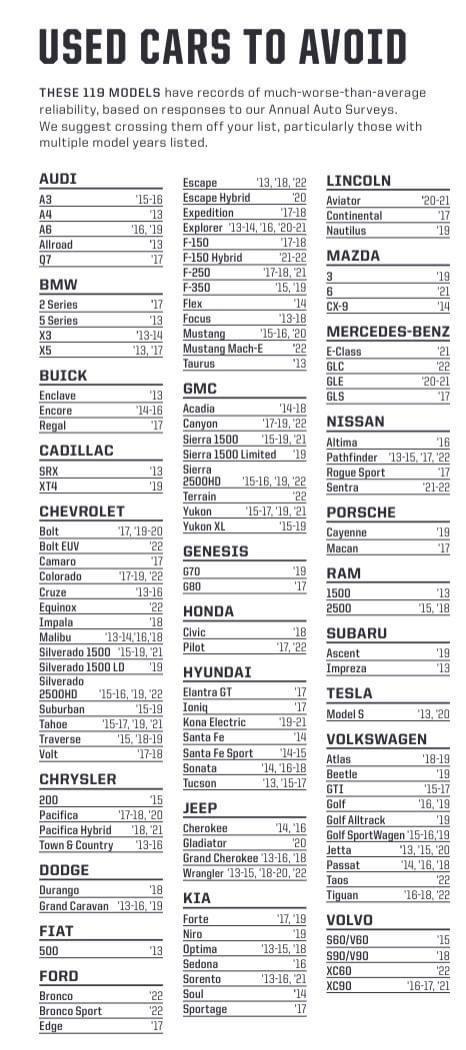
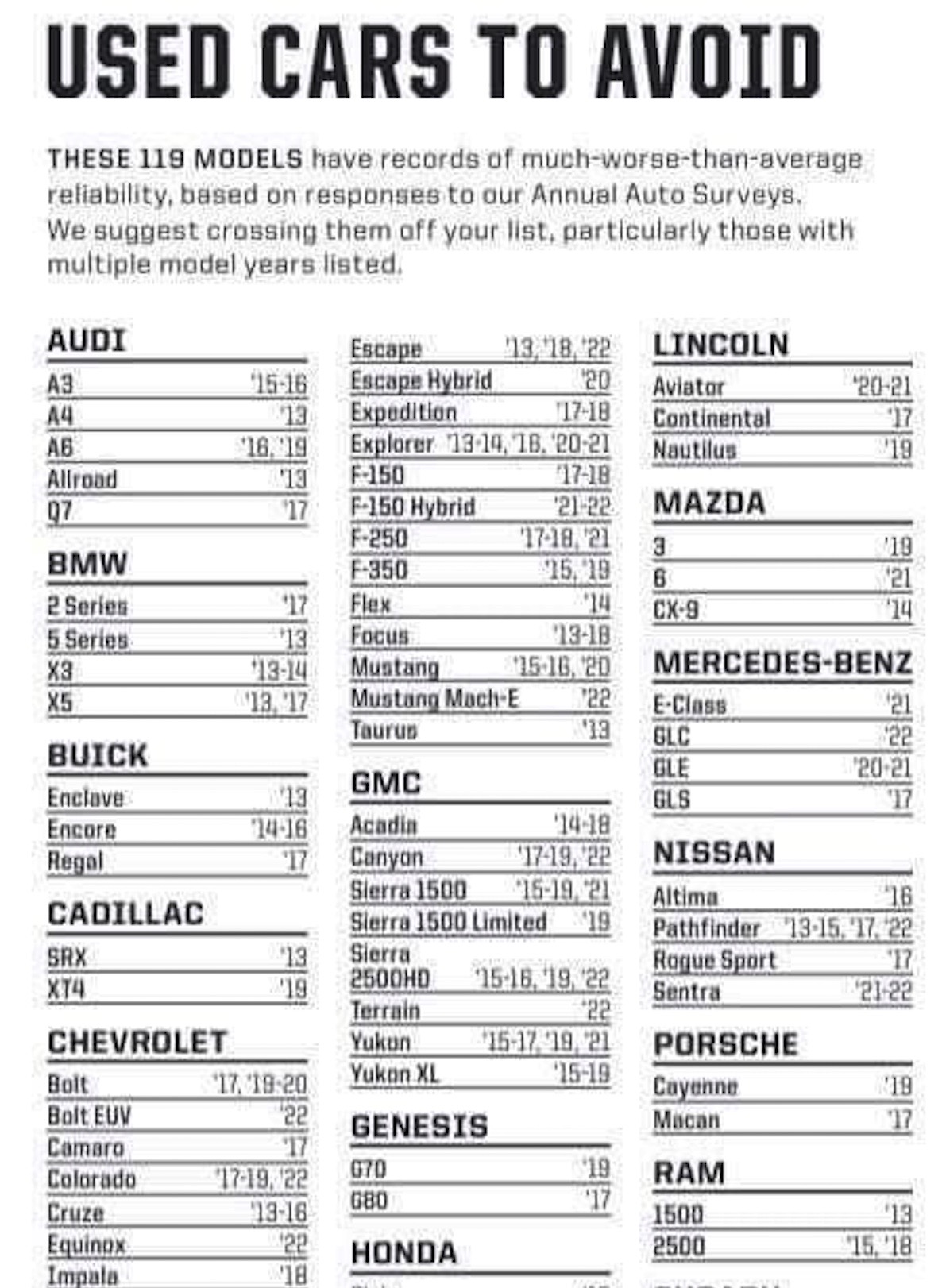
Avoid used cars with a history of poor reliability, such as certain models from Chrysler, Dodge, and Fiat. Research and steer clear of vehicles that frequently encounter major mechanical issues or recalls.
Shopping for a used car involves navigating a sea of options to find the best mix of reliability, price, and features. Consumers often turn to automotive reliability surveys and recall databases to inform their choices, seeking vehicles known for longevity rather than chronic repair bills.
Notably notorious are models with a consistent track record of transmission failures, widespread engine problems, or costly electrical nightmares. Experts caution against purchasing models that are at the top of recall lists, as they can pose ongoing risks and financial burdens. To ensure a solid investment, buyers should consult sources like Consumer Reports or the National Highway Traffic Safety Administration (NHTSA) for detailed vehicle histories and potential red flags that indicate a used car to avoid. Selecting a reliable used car not only saves money on maintenance but also offers peace of mind.
Risks Of Buying Used Cars
Are you eyeing a used car for your next automotive investment? The appeal is clear: lower prices and sometimes, just-like-new condition. Yet, caution is critical. Used vehicles come with risks. Let’s explore some of these potential pitfalls.
Hidden Defects And Repairs
Not all issues are visible when you walk around a pre-owned car. Some problems lurk under the hood, waiting to emerge. Professional inspections can unveil these hidden defects. But, sometimes even experts miss them.
Costly repairs might follow shortly after purchase. Consider a reliable vehicle history report. It can reveal past accidents or maintenance issues. This info helps you gauge what future repairs might arise.
Loss Of Warranty And Support
With new cars, warranties provide peace of mind. Yet, many used vehicles have limited or expired warranties. This means extra costs for you if something goes wrong. Extended warranties might be an option. But, they can be expensive, and they don’t cover everything.

Credit: goodmorninggloucester.com
Brands With A Questionable Reliability Record
Choosing a used car often brings you face-to-face with the beast of reliability. Some brands, unfortunately, lurk in the shadows of a checkered past or recent dips in quality. Thoughtful buyers should keep an eye on these patterns to avoid future headaches. Below we spotlight carmakers whose vehicles might just turn that driveway dream into a maintenance nightmare.
Historically Unreliable Manufacturers
Certain brands have a legacy linked to unreliability. These manufacturers often find their names on ‘cars to avoid’ lists:
- Land Rover – Issues with electronics and air suspension.
- Fiat – Transmission troubles and frequent repairs.
- Cadillac – Expensive maintenance and electrical gremlins.
Consistency in consumer surveys and auto reviews paints a grim portrait of these brands. Astute buyers beware.
Recent Declines In Quality
Some brands have slipped in quality over recent years:
| Brand | Known Issues |
|---|---|
| Nissan | CVT transmission failures |
| BMW | High cost of parts and service |
| Volkswagen | Electrical problems and engine issues |
These recent shifts prompt caution. Do thorough research to steer clear of a sour deal.
Models Known For High Maintenance Costs
Buying a used car can save you money upfront. Some cars cost a lot to maintain. We explore models with high upkeep expenses. Avoid these to keep your wallet happy!
Luxury Cars With Expensive Parts
Luxury cars boast comfort and advanced features. Yet, their parts and services often carry a hefty price tag. Out-of-warranty repairs can make these vehicles costly long-term investments. Brands like Mercedes-Benz and BMW often top the lists for expensive maintenance. Regular services like oil changes cost more than with non-luxury brands.
Let’s look at some examples:
- BMW 7 Series: High tech but pricey to fix.
- Audi A6: Sophisticated engineering requires specialized care.
- Mercedes-Benz E-Class: A smooth ride at a high maintenance premium.
Vehicles With Poor Durability Scores
Durability is key in a used car. Low scores mean more repair work. Such cars often become money pits over time. Consumer reports and reliability indexes show that some models consistently fall short of expectations. High mileage might look attractive. Yet, it can signal upcoming costly issues.
Here are vehicles to be cautious of:
| Make and Model | Known Issues |
|---|---|
| Fiat 500 | Electrical glitches and transmission woes. |
| Chevrolet Cruze | Engine and coolant leaks frequent. |
| Dodge Grand Caravan | Suspension and brake troubles common. |
Select your used car wisely. A pre-purchase inspection is critical. It can reveal potential issues and help avoid high maintenance costs.
Recalled Vehicles To Steer Clear Of
Shopping for a used car can be daunting. Potential buyers must sift through countless options. But there’s a critical factor to consider: recalled vehicles. These cars may have had safety issues. Avoiding them is crucial.
Significant Recalls By Major Brands
Major brands have seen their fair share of recalls. It’s important to know which models had issues.
| Brand | Model | Year | Reason |
|---|---|---|---|
| Toyota | Camry | 2010 | Accelerator Pedal issues |
| Ford | Focus | 2012 | Steering Problems |
| GM | Cruze | 2014 | Ignition Switch Defects |
Models like the Honda Accord from 2011 also had airbag troubles. It’s wise to skip these specific models.
How To Check For Past Recalls
Before you buy, ensure the car is clear of recalls. Here’s how to check:
- Visit the National Highway Traffic Safety Administration (NHTSA) website.
- Enter the car’s Vehicle Identification Number (VIN).
- Review any recall details.
Recall repairs are free, so check if they’re done. A clean report means a safer ride.
High-mileage Cars: Proceed With Caution
Buying a used car is smart. Still, a car with too many miles might bring trouble. Think twice before saying ‘yes’ to a car with a big number on its dashboard. Less miles often mean less problems. Wise choices save money and avoid headaches down the road.
The Mileage Trap: When To Walk Away
Not all miles are equal. A car with 100,000 miles could be okay if it was cared for. Yet, often these cars ask for repairs soon. Looking at a car? If it’s got a lot of miles, check its history. No good records? Best to walk away. Too many miles can turn a deal sour fast.
Assessing The True Cost Of High Mileage
It’s tempting to get a car with high miles because it costs less. But think about repair bills. Will this car eat up your savings? Use a simple checklist to find traps:
- Service records – Do they exist? Are they complete?
- Important parts – What needs fixing soon?
- Mileage vs. age – Is the car old with few miles? Or younger with many?
Plug these into a repair cost calculator. This tells you what that high-mileage car might really cost. Add this to the price tag. Now you see if the deal is sweet or will turn sour.
Examining The Worst Years For Popular Models
Shopping for a used car can be tricky. Not all models are built to last. Some cars have bad reputations. Bad model years can lead to costly repairs. This section dives into the worst years for popular cars. Buyers should watch out. Knowing which years to avoid saves money and headaches.
Avoiding Lemon Model YearsAvoiding Lemon Model Years
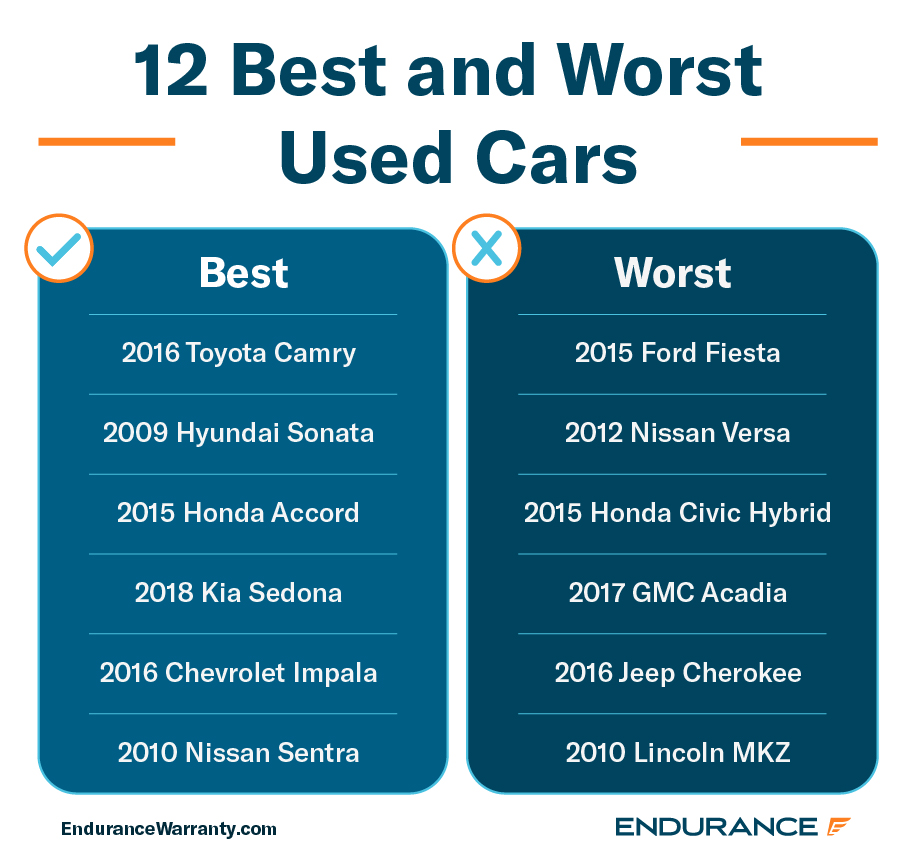
Not all cars are winners. Some years bring endless problems. Reliability drops. Lemon models appear. Owners share their stories. Websites list bad cars. Check them out before buying.
- 2002 Ford Explorer – Transmission woes
- 2011 Hyundai Sonata – Engine failures
- 2014 Jeep Cherokee – Gearbox issues
Researching Model Year Specific Issues
Every model year is different. Some have defects. Others don’t. It’s crucial to research. Dig into user forums. Look at recall lists. Consumer reports are valuable.
Using a table to present information| Year | Model | Common Issues |
|---|---|---|
| 2004 | Ford F-150 | Window motor failures |
| 2007 | BMW 3 Series | Electrical glitches |
| 2009 | Nissan Altima | Steering lock failures |
How To Protect Yourself When Buying Used
Entering the used car market can feel like navigating a minefield. Wise buyers arm themselves with knowledge and strategies to avoid buying a lemon. This section covers critical steps every buyer should take.
Essential Pre-purchase Inspections
An inspection can make or break a deal. Always inspect before purchasing. Follow these steps to ensure a thorough check:
- Check under the hood: Look for leaks, corrosion, and intact belts.
- Examine the exterior: Note dents, scratches, and rust.
- Assess the interior: Test all electronics, and inspect upholstery.
- Tire condition: They should have even wear and good tread.
- Test drive: Listen for unusual noises and assess handling.
| Area of Inspection | Checkpoints |
|---|---|
| Engine Performance | Start-up noise, idling smoothness. |
| Braking System | Brake response, any grinding sounds. |
| Transmission | Gear shift smoothness, delay in engagement. |
The Role Of Vehicle History Reports
Vehicle history reports are the buyer’s best friend. They reveal:
- Past accidents: Has the car been in serious mishaps?
- Service records: Has the car received regular maintenance?
- Ownership history: How many people have owned the car?
- Title status: Is it clean, salvage, or rebuilt?
Use reputable sources like CARFAX or AutoCheck for these reports. They can save you from costly mistakes.
Credit: www.autospies.com
Credit: www.endurancewarranty.com
Frequently Asked Questions For What Used Cars To Avoid
What Are The Worst Used Cars To Buy?
When buying used cars, it’s advisable to avoid certain models with a history of reliability issues, high maintenance costs, and poor safety ratings. Do some research or consult with consumer reports before making a decision.
How To Identify Bad Used Cars?
Check for signs like excessive wear and tear, a history of accidents, a lack of maintenance records, and performance issues during test drives. Always have a trusted mechanic inspect the vehicle before purchase.
Which Used Car Brands Are Least Reliable?
Certain used car brands consistently show up in reliability studies for having more problems or costly repairs. Brands with such reputations can change over time, so check the latest consumer reports and reliability surveys for updated information.
Do Some Used Cars Have Higher Repair Costs?
Yes, some used cars, especially luxury brands or those with complex engineering, often have higher repair costs due to expensive parts and specialized labor needed for maintenance.
Conclusion
Embarking on a journey to select a pre-owned vehicle can be daunting. Steer away from the models discussed to avoid regrettable investments. Remember, thorough research and a trusted mechanic’s inspection are pivotal. Choose wisely, prioritize reliability, and your used car experience won’t steer you wrong.
Drive on towards a savvy purchase!