

What Can Cause Toyota Corolla Not To Start
Have you ever turned the key in your Toyota Corolla’s ignition, only to find it won’t start? It’s frustrating, confusing, and can leave you stuck when you least expect it.
Understanding what can cause your Toyota Corolla not to start is the first step to solving the problem quickly. You’ll discover the common reasons behind this issue and learn how to tackle them before they ruin your day. Keep reading to make sure you’re never caught off guard again.
Common Reasons For Starting Issues
Starting issues with a Toyota Corolla are common and can happen for many reasons. Knowing what causes these problems helps in fixing them fast. Some parts wear out or fail over time. Others may need regular checks to keep your car running smoothly.
Dead Or Weak Battery
The battery gives power to start the engine. A dead or weak battery stops this power flow. Cold weather or leaving lights on can drain the battery. Old batteries lose their ability to hold charge. Testing the battery can show if it needs replacement.
Faulty Starter Motor
The starter motor turns the engine over to start it. If the motor is faulty, it will not spin the engine. Signs include clicking sounds or no sound at all. Worn brushes or electrical faults can cause starter failure. Repair or replacement may be necessary.
Ignition Switch Problems
The ignition switch sends power to many parts when you turn the key. A bad switch stops the starting process. Symptoms include no response when turning the key or stalling. Dirt or wear inside the switch can block signals. Cleaning or changing the switch fixes this issue.
Fuel System Failures
The fuel system delivers gas to the engine. Blocked fuel filters or bad fuel pumps stop fuel flow. Without fuel, the engine cannot start. Low fuel levels or bad gas can also cause problems. Regular fuel system checks keep your Corolla starting well.
Spark Plug Issues
Spark plugs ignite the fuel in the engine. Dirty or worn spark plugs fail to create a spark. This stops the engine from starting or causes rough running. Replacing spark plugs at intervals ensures a good start every time. Checking spark plugs is an easy fix for many start problems.

Credit: www.youtube.com
Electrical System Troubles
The electrical system in a Toyota Corolla plays a key role in starting the car. Problems in this system can stop the engine from turning on. These troubles often come from small parts that control electricity flow.
Understanding these issues helps in finding the exact cause. It saves time and money on repairs. Below are common electrical system troubles that may prevent your Corolla from starting.
Blown Fuses And Relays
Fuses protect the car’s electrical circuits. A blown fuse stops power from reaching important parts. Relays act like switches to control high power circuits. A bad relay can stop the starter or fuel pump from working. Checking and replacing blown fuses or faulty relays can fix starting problems fast.
Wiring And Connection Problems
Loose or corroded wires cause poor electrical connections. This interrupts power flow to the starter motor or ignition system. Damaged wiring from wear or rodents also causes no-start issues. Inspecting wires and tightening connections ensures electricity flows properly. Clean any rust or corrosion found on terminals or connectors.
Malfunctioning Sensors
Sensors send vital information to the engine control unit. A bad crankshaft or camshaft sensor can prevent engine start. These sensors detect engine position and speed. Faulty sensors confuse the computer, which stops fuel and spark delivery. Testing sensors with a scanner tool helps find problems quickly.
Fuel Delivery Problems
Fuel delivery problems often cause a Toyota Corolla not to start. The engine needs fuel to run. If fuel cannot reach the engine, the car will not start. Several issues can block or stop fuel flow. Identifying these problems helps fix the car quickly.
Empty Fuel Tank
The most common cause is an empty fuel tank. Sometimes, the fuel gauge may not show the true level. Running out of fuel stops the engine from starting. Always check the fuel level before troubleshooting.
Clogged Fuel Filter
The fuel filter cleans dirt from the fuel. Over time, it can get clogged with debris. A clogged filter blocks fuel flow to the engine. This blockage causes the engine to struggle or fail to start.
Failing Fuel Pump
The fuel pump moves fuel from the tank to the engine. A weak or failing pump cannot supply enough fuel. Signs include strange noises or no sound from the pump. Without proper fuel flow, the Corolla will not start.
Credit: qcwo.com
Engine Mechanical Issues
Engine mechanical issues can stop your Toyota Corolla from starting. These problems affect the core of the engine. Without a working engine, the car won’t run or start.
Mechanical failures often need quick attention. They can cause more damage if ignored. Knowing the common engine issues helps you understand why your car won’t start.
Timing Belt Or Chain Failure
The timing belt or chain controls engine valves and pistons. If it breaks or slips, the engine can’t work properly. This failure stops the engine from starting. Damage to valves and pistons can happen fast. Regular checks and replacement prevent this issue.
Engine Seizure
Engine seizure means the engine parts stop moving. It happens when parts get too hot or lack oil. Without oil, parts rub and lock together. This locks the engine and prevents starting. Fixing this needs expert help and often major repairs.
Compression Loss
Compression is needed to ignite fuel inside the engine. Loss of compression stops the engine from firing. Worn piston rings, damaged valves, or head gasket leaks cause this. Low compression makes the engine hard to start or stops it completely.
Security System Interference
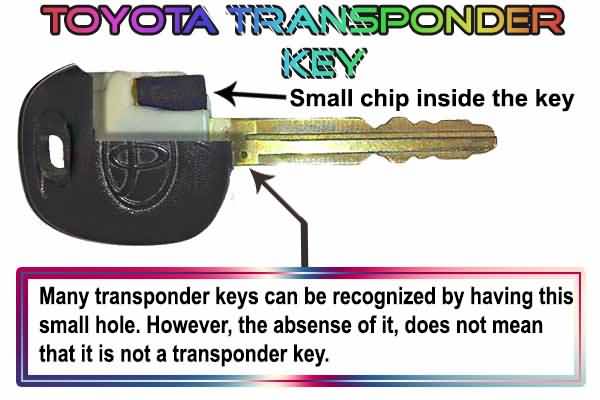
The security system in a Toyota Corolla helps protect the car from theft. Sometimes, this system can stop the car from starting. This is called security system interference. It happens when the system thinks the key is not correct or the car is not safe to start. Understanding this problem can help you fix it faster.
Immobilizer Activation
The immobilizer is a part of the security system. It stops the engine from starting without the right key. If the immobilizer activates by mistake, the car will not start. This can happen if the key chip is damaged or not recognized. The dashboard may show a flashing key light as a warning. Resetting the system or using a spare key might solve this issue.
Key Fob Battery Dead
The key fob sends a signal to the car to allow starting. A dead battery in the key fob can stop this signal. The car thinks no key is present and will not start. Replacing the key fob battery is simple and cheap. Keep a spare battery ready to avoid this problem. Check the key fob regularly to ensure it works well.
Environmental And External Factors
Environmental and external factors can stop a Toyota Corolla from starting. These elements affect the car’s key parts. Cold, heat, and moisture can cause issues under the hood. Dirt and corrosion also play a big role in car troubles. Understanding these factors helps in quick diagnosis and repair.
Extreme Weather Effects
Very cold weather can freeze the engine oil and fuel. This makes it hard for the engine to turn over. Heat can cause the battery to lose power faster. Rain and snow can make electrical parts wet and short out. Weather changes stress the car’s systems and prevent starting.
Corroded Battery Terminals
Battery terminals can gather rust and dirt over time. Corrosion blocks the flow of electricity to the starter. This stops the car from starting even if the battery is full. Cleaning the terminals with a brush and vinegar helps restore power. Regular checks prevent buildup and keep the car reliable.
Diagnostic Steps To Identify Causes
Diagnosing why a Toyota Corolla won’t start requires a clear, step-by-step approach. Each part of the car must be checked carefully. This helps find the exact problem. Starting with simple checks saves time and money.
Follow these diagnostic steps to identify the cause quickly and accurately.
Checking Battery Health
First, check the car battery. A weak or dead battery often stops the car from starting. Use a voltmeter to measure battery voltage. The reading should be around 12.6 volts when the car is off. If lower, the battery may need charging or replacement. Look for corrosion on battery terminals. Clean any buildup for a better connection.
Testing Starter And Ignition
Next, test the starter motor and ignition system. Listen for clicking sounds when turning the key. No sound could mean a faulty starter. Check ignition switch and connections for damage. A bad ignition switch will prevent power from reaching the starter. Swap parts if possible to confirm the fault.
Inspecting Fuel System
Then, inspect the fuel system. Ensure the fuel pump works and fuel reaches the engine. Listen for a humming noise from the fuel pump when the key turns. Check fuel lines for leaks or blockages. A clogged fuel filter can stop fuel flow. Replace the filter if dirty or old.
Scanning For Error Codes
Finally, scan the car’s computer for error codes. Use an OBD-II scanner to read trouble codes. These codes point to specific problems in the engine or electrical system. Clear codes after repairs and test if the car starts. This step helps find hidden issues fast.
Preventive Measures And Maintenance Tips
Keeping your Toyota Corolla starting smoothly depends on simple, regular care. Small checks and maintenance can stop many problems before they begin. A few good habits help your car stay reliable every day.
Regular Battery Checks
Check the battery at least twice a year. Look for corrosion on the terminals. Clean any buildup with a brush and baking soda. Make sure the battery holds a full charge. Replace weak batteries to avoid no-start issues.
Timely Spark Plug Replacement
Spark plugs ignite the fuel in your engine. Old or dirty plugs cause hard starts. Replace spark plugs as your owner’s manual suggests. Fresh plugs improve engine performance and start-up speed.
Fuel System Cleaning
Fuel injectors can get clogged over time. Dirt reduces fuel flow and causes rough starts. Use a fuel system cleaner every few thousand miles. This keeps fuel flowing smoothly and your engine running well.
Keeping Electrical Connections Clean
Loose or dirty electrical connections can stop your car from starting. Check wires and connectors for dirt and damage. Clean contacts with electrical cleaner and tighten any loose ends. Good connections ensure power flows properly.

Credit: www.youtube.com
Frequently Asked Questions
Why Won’t My Toyota Corolla Start When I Turn The Key?
A dead battery or faulty starter motor often causes this issue. Check battery charge and connections first. If those are fine, the starter may need inspection or replacement.
Can A Bad Fuel Pump Prevent My Corolla From Starting?
Yes, a malfunctioning fuel pump stops fuel flow to the engine. Without fuel, the engine won’t start. Listen for a humming sound from the fuel tank as a test.
How Does A Faulty Ignition Switch Affect Starting?
A bad ignition switch can disrupt power to the starter and fuel system. This prevents the engine from cranking or firing up. Testing or replacing the ignition switch may be necessary.
Could My Toyota Corolla’s Immobilizer Cause No-start Issues?
Yes, if the immobilizer system doesn’t recognize your key, it disables engine starting. Using the correct key or resetting the system often resolves this problem.
Conclusion
A Toyota Corolla that won’t start can have many causes. Battery issues, faulty starter, or fuel problems often play a role. Checking these parts first can save time and money. Regular car maintenance helps avoid these troubles. Knowing the signs can help you act fast.
Don’t ignore small problems—they may get worse. Taking quick action keeps your car reliable and safe. Keep your Corolla ready to drive every day. Simple care prevents most starting issues. Stay alert and fix problems early.


