Vacuum Leak Car Symptoms
Common symptoms of a vacuum leak in a car include a hissing sound and rough idling. You may also notice decreased fuel efficiency and acceleration issues.
Diagnosing a vacuum leak is critical for maintaining your vehicle’s performance and longevity. A car’s engine relies on precisely balanced air-fuel mixtures, and any disruption can lead to noticeable problems. A vacuum leak creates an imbalance by allowing extra, unmetered air to enter the system, which disturbs this delicate balance.
This can trigger the check engine light and potentially cause the engine to run lean—meaning there’s too much air in the mix. It’s important for car owners to be vigilant and recognize these early signs. Immediate attention to vacuum leaks can prevent more extensive damage to the engine and its components, ultimately saving money and ensuring a smoother drive. Identifying these symptoms quickly can make all the difference in the health and efficiency of your vehicle.
Early Signs Of A Vacuum Leak
A vehicle’s engine relies on a balanced mixture of air and fuel to function efficiently. A vacuum leak disrupts this balance by allowing excess air to enter the system. Early detection of a vacuum leak can save both time and money. Be vigilant for the following symptoms:
Unusual Hissing Sounds
One of the first indicators of a vacuum leak is an odd hissing noise. This sound arises from air escaping through a small opening in the vacuum system. It’s more noticeable when the engine is idling. A mechanic can help locate and repair this issue.
Decline In Fuel Efficiency
A sudden drop in gas mileage often signals a vacuum leak. Extra air entering the engine prompts more fuel usage to maintain the air-fuel ratio. Drivers might observe a need to refuel more frequently without a change in driving habits.
Understanding these early signs helps in preventing further damage. Remember to check for these symptoms regularly:
- Listen for hissing
- Monitor fuel consumption closely
Credit: www.samarins.com
Engine Performance Issues
When your car has a vacuum leak, it can lead to trouble with the engine’s performance. Air entering your engine beyond the usual pathways can disrupt the balanced mix of air and fuel. This imbalance often presents itself through various symptoms. These signs can alert drivers that a closer inspection might be necessary. Let’s explore the most common engine performance issues associated with vacuum leaks.
Rough Idling
A vacuum leak can cause your car to idle roughly. This means your vehicle might shake more than usual when stopped or in park. Such disturbances in idling arise from irregular air-fuel mixtures, thrown off by the extra, unmetered air entering the engine. You might notice:
- Vibrations felt through the steering wheel or seat
- An unusual increase in engine RPMs
- Sudden changes in idle speed
Engine Misfires
An engine misfire occurs when one or more cylinders fail to ignite properly. Signs of a misfire include:
- A noticeable loss of power
- The engine sounds uneven or sputters
- The check engine light might blink on your dashboard
Vacuum leaks cause misfires by disrupting the precise fuel-to-air ratio required for efficient combustion.
Stalling During Acceleration
Your car stalling as you press on the gas pedal is a clear indicator that something isn’t right. A vacuum leak might be the culprit if you experience:
- Immediate loss of power when trying to accelerate
- The car failing to respond smoothly to the throttle
- Sudden engine cut-offs during your drive
This happens because the leak causes a drop in engine vacuum pressure, essential for normal acceleration.
Impact On Vehicle Controls
A vacuum leak in a car can lead to unexpected changes in vehicle controls. These issues might confuse drivers. The car’s performance drops. Controls like the brakes and accelerator can become unreliable. This section will explain how vacuum leaks affect vehicle controls.
Fluctuating Speeds
A clear sign of a vacuum leak is speed that changes by itself. Engines use vacuum lines to run properly. A leak can cause the engine to get too much air. The engine’s computer tries to fix this. It changes the fuel mix. This makes the car speed up or slow down without the driver doing anything. It’s like the car has a mind of its own.
Hard Brake Pedal
The brake system also uses vacuum to work smoothly. A vacuum leak can make the brake pedal feel very hard. It takes more effort to push it down. This can be scary. It makes stopping the car harder. Drivers have to push harder to slow down. This is not safe, especially in an emergency.
Diagnostic Indicators
Are you hearing hissing sounds under your hood? Cars tell tales of trouble. One common story is about vacuum leaks. We use specific clues to find them. Let’s explore some key diagnostic indicators. They help us pinpoint vacuum leaks.
Check Engine Light Activation
Your car’s check engine light is a silent alarm. It uses codes to talk about car troubles. A glowing check engine light can signal a vacuum leak. Mechanics connect tools to read these secret codes. This light often means it’s time for a check-up.
Fault Codes Related To Vacuum Leaks
Cars have a language of codes called OBD-II. Some codes specifically mention vacuum leaks. Codes like P0171 and P0174 say the engine runs too lean. This means there’s too much air in the mix. Codes help mechanics start their detective work.
Common vacuum leak fault codes:
- P0171 – System too lean (Bank 1)
- P0174 – System too lean (Bank 2)
- P0300 – Random/multiple cylinder misfire detected
- P0507 – Idle control system RPM higher than expected
Understanding these codes is like finding puzzle pieces. Put them together and you find the leak. Professional tools called scanners read these codes. They offer the clues we need to fix the hidden issue.
Professional Inspection And Repair
When car trouble strikes, identifying vacuum leaks is not always straightforward. A professional mechanic brings expertise and the right tools to detect and fix vacuum leak issues efficiently. Next, explore how experts tackle vacuum leaks with precise methods like the smoke test and address damaged vacuum hoses.
Smoke Test For Leak Detection
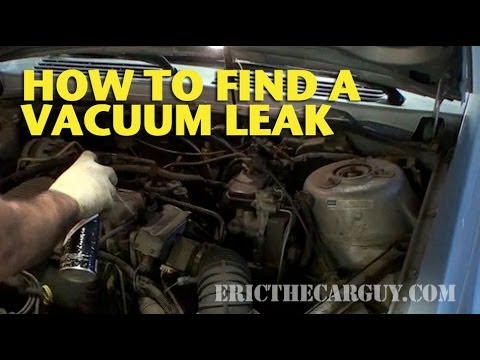
One effective technique to find a leak is the smoke test. During this test, mechanics introduce smoke into the vacuum system. The smoke reveals the leak’s exact location as it escapes through any cracks or holes. The smoke test is safe for your car and helps mechanics spot the problem quickly.
Vacuum Hose Replacement
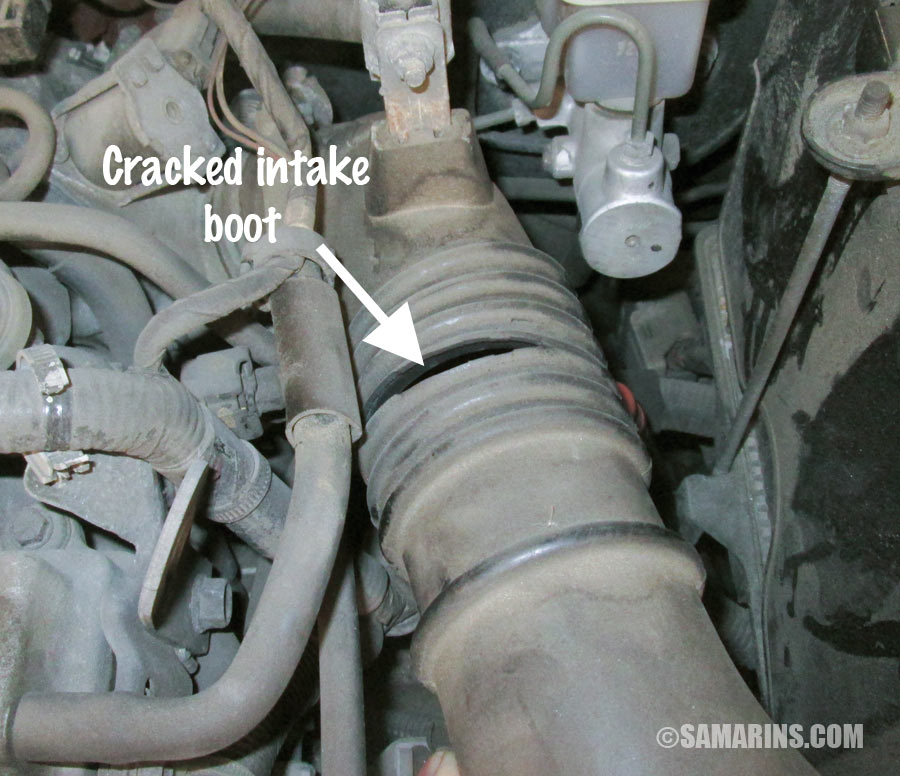
Over time, vacuum hoses can deteriorate. A visual check may show cracks or wear. Mechanics will suggest hose replacement to ensure a strong vacuum seal. A professional replacement includes:
- Assessment of all vacuum hoses
- Removal of damaged hoses
- Installation of new, high-quality hoses
- Final system check to confirm fixes
With new hoses, your car’s performance may improve as the engine receives the correct air-to-fuel ratio.
Credit: www.youtube.com
Frequently Asked Questions Of Vacuum Leak Car Symptoms
What Are Common Vacuum Leak Symptoms?
A vacuum leak in a car typically manifests as a rough idle, unexpected acceleration, high RPM, and fuel economy issues. The engine may also make a hissing sound, indicating a leak is present.
Can A Vacuum Leak Affect Engine Performance?
Yes, a vacuum leak can significantly affect engine performance. It may result in stalling, misfires, and reduced power, compromising the overall driving experience.
How Does A Vacuum Leak Impact Fuel Efficiency?
A vacuum leak can decrease fuel efficiency by disrupting the air-fuel mixture. This imbalance often causes the engine to run lean, leading to higher fuel consumption.
What Sounds Indicate A Vacuum Leak In A Car?
The most indicative sound of a vacuum leak is a high-pitched hissing or sucking noise. This sound usually becomes more noticeable when the engine is idling.
Conclusion
Recognizing the signs of a vacuum leak is crucial for your car’s health. Erratic idling, stalls, or a whistle under the hood? Get it checked. Early diagnosis saves on costly repairs and keeps performance smooth. Remember, a well-maintained vehicle ensures a safer, more efficient driving experience.
Don’t ignore these warnings. Stay alert, and take action to maintain your car’s integrity.