Oil Pressure Switch Symptoms
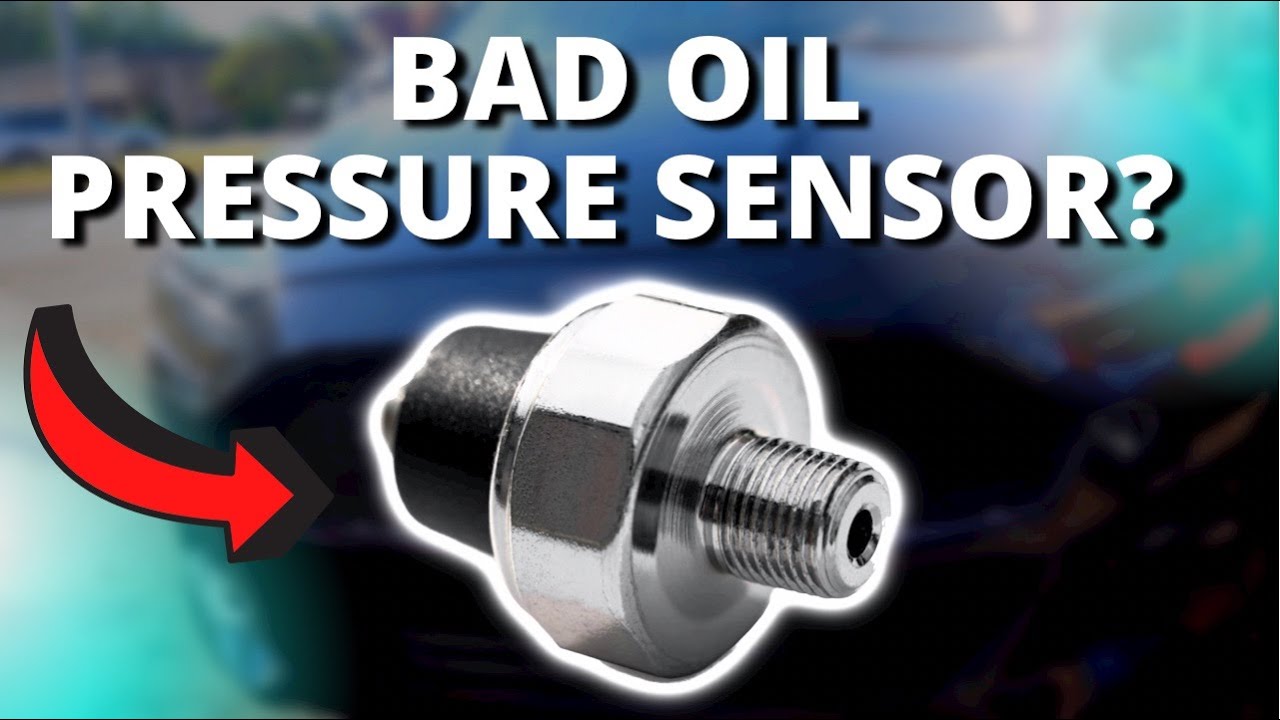
Common oil pressure switch symptoms include a flickering oil pressure light and strange engine noises. Leaks around the switch also indicate an issue.
Maintaining optimal oil pressure in an engine is critical for its performance and longevity. A faulty oil pressure switch can lead to inadequate lubrication, resulting in increased friction and potential engine damage. Drivers may notice the oil pressure warning light on their dashboard flickering or remaining illuminated, hinting at a possible malfunction.
Additionally, unusual noises such as ticking or clunking sounds from the engine bay can be a direct consequence of oil pressure irregularities. Spotting oil on the ground directly under the engine area could suggest a compromised switch with a leak that needs immediate attention. Identifying these signs early and addressing the issue promptly can prevent consequential damage to the vehicle’s engine, ensuring reliable operation and safety on the road.
Recognizing Oil Pressure Switch Issues
Recognizing Oil Pressure Switch Issues is crucial for vehicle maintenance. Oil pressure switches monitor oil pressure. They signal if it’s too low. This protects engines from damage. When they fail, they give several signs. Learn these signs to prevent engine damage.
Warning Signs On Your Dashboard
Your dashboard has indicators to alert you about oil pressure problems. Look for the oil pressure light. It looks like an oil can. This light should turn on when you start the car. It should turn off after a few seconds. If it stays on, there may be a problem. Any unexpected lighting of this icon means you should check your oil pressure switch.
Physical Oil Leaks And Their Indicators
Physical leaks can hint at oil pressure switch failure. Check for oil spots under your car. This is a clear sign of a leak. Look around the oil pressure switch for oil traces. Sometimes, pressure switches crack. This causes oil to leak. Check regularly to catch leaks early.
Understanding these signs can save your engine. Act immediately if you notice them. Your local mechanic can help. They can replace the switch if needed. Regular checks ensure your engine stays healthy. Drive with confidence, knowing you can spot these warnings.
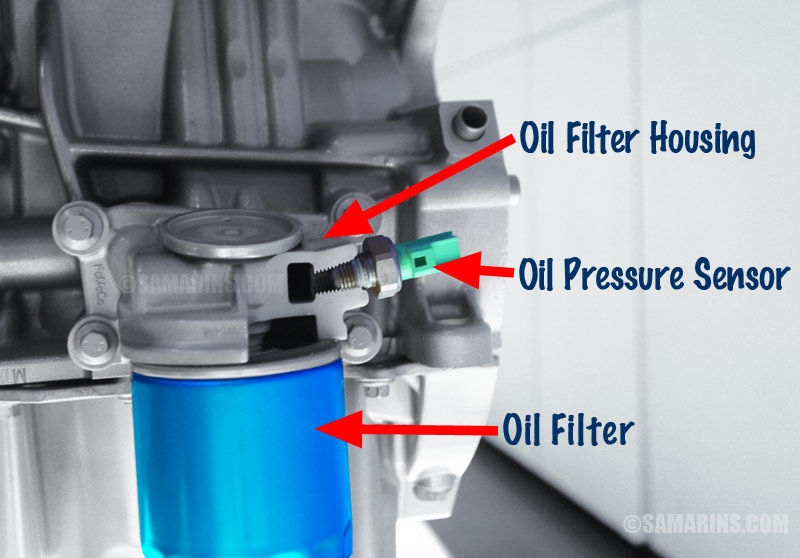
Credit: www.samarins.com
Behavioral Symptoms Of A Failing Oil Pressure Switch
Knowing the signs of a failing oil pressure switch is crucial for your vehicle’s health. This small component plays a big role in monitoring oil pressure. Let’s dive into the behaviors indicating a switch issue.
Erratic Oil Pressure Readings
A reliable oil pressure switch provides steady readings. Watch for unusual fluctuations on your dashboard gauge.
- If the needle jumps wildly, it’s a red flag.
- Consistent readings are normal; erratic movements are not.
Stable pressure keeps your engine happy; a failing switch may cause stress.
Unusual Noises From The Engine
Never ignore strange sounds from under the hood. An oil pressure switch in trouble can lead to poor lubrication.
- Listen for clattering or knocking – it means your engine is upset.
- Such noises suggest the switch isn’t managing oil flow well.
Quick action can save your engine from damage.
Impact Of A Defective Oil Pressure Switch
The health of your vehicle depends on reliable engine indicators. A defective oil pressure switch signals trouble that can lead to costly repairs. Let’s explore how a faulty oil pressure switch can affect your car’s performance.
Engine Performance Degradation
Your car’s engine relies on proper lubrication. When the oil pressure switch fails, warnings go unnoticed. This can lead to:
- Unusual noises: Ticking or clanking from lack of oil.
- Engine overheating: Oil cools engine components smoothly.
- Power loss: Strained engine components work harder with less lubrication.
Potential For Severe Engine Damage
A non-functional oil pressure switch poses a disastrous risk. Without timely oil pressure data, engines are left defenseless against:
| Bearing Wear: | Moving parts endure excess wear, reducing lifespan. |
| Gasket Failure: | Oil leaks from degraded gaskets can escalate. |
| Complete Engine Failure: | Lack of lubrication may grind your car’s engine to a halt. |
Ignoring a defective oil pressure switch is not worth the risk. Your vehicle’s engine could face irreversible damage. Timely inspection and replacement are crucial to ensure your engine’s longevity.
Troubleshooting And Diagnosing
Is your vehicle’s oil pressure light on? Diagnosing oil pressure issues is essential for engine health. Let’s dive into troubleshooting steps. Knowing what signs to look for can save your engine. It’s time to get hands-on!
Using A Manual Oil Pressure Gauge
To accurately diagnose oil pressure problems, a manual oil pressure gauge is key. Here’s how to use it:
- Locate the oil pressure sensor port.
- Remove the sensor and install the gauge.
- Start the engine and read the pressure.
Normal readings indicate a healthy system. Low readings suggest an issue. It could mean a faulty oil pump, clogged filter, or serious engine wear.
Common Diagnostic Mistakes To Avoid
Be careful not to jump to conclusions. Here’s where many go wrong:
- Ignoring gauge accuracy: Always check if your gauge is calibrated.
- Overlooking simple fixes: Sometimes, it’s just a bad sensor or low oil level.
- Forgetting engine temperature: Cold engines can show lower pressure.
Avoid these pitfalls to prevent costly repairs and keep your engine running smoothly.
Repair And Replacement Guidance
An oil pressure switch is vital for maintaining your car’s engine. It tells you when oil levels dip too low. Ignoring symptoms can lead to major engine damage. Know when to repair or replace to keep your car running smoothly.
Step-by-step Switch Replacement Process
Replacing an oil pressure switch is not hard. Follow these steps carefully.
- Locate the oil pressure switch on your engine.
- Disconnect the car’s battery for safety.
- Remove the electrical connector from the switch.
- Unscrew the old switch with the right socket.
- Apply thread sealant on the new switch threads.
- Screw in the new switch by hand, then tighten.
- Reattach the electrical connector.
- Reconnect the car’s battery.
- Start the car and check for leaks.
Choosing The Right Oil Pressure Switch For Your Vehicle
Picking the perfect switch is crucial. It must match your car’s make and model.
- Check the car’s manual for specifics.
- Match the part number with the old switch.
- Ensure compatibility with your car’s brand.
- Consider a switch from a reliable brand.
- Confirm warranty for the new switch.
Preventive Measures And Maintenance Tips
Understanding the right preventive measures and maintenance tips can help you avoid the dreaded oil pressure switch symptoms that jeopardize your vehicle’s performance. Oil pressure switches play a crucial role. They monitor engine oil pressure. Ensuring they remain in top shape is essential. Below, discover how to keep your oil pressure switch functioning smoothly through regular care and best practices.
Regular Maintenance Schedule
Setting up a regular maintenance schedule for your vehicle is crucial. It extends the life of your oil pressure switch. Here’s what to include:
- Check oil levels frequently.
- Get oil changes at manufacturer-recommended intervals.
- Inspect the oil pressure switch during each oil change.
- Clean the area around the oil pressure sensor regularly.
Adhere to these points to avoid unexpected failures. Your vehicle’s manual offers a guide to specific maintenance schedules.
Best Practices For Long-term Health Of Your Oil Pressure Switch
To ensure the long-term health of your oil pressure switch, consider these best practices:
- Avoid harsh driving conditions when possible.
- Use high-quality engine oil that suits your vehicle’s requirements.
- Be alert to your dashboard indicators and address issues immediately.
- Have a professional check your oil pressure switch if you are uncertain.
These steps contribute to the overall health of your vehicle. They keep the oil pressure switch in good condition.
Frequently Asked Questions Of Oil Pressure Switch Symptoms
What Are Common Oil Pressure Switch Issues?
Oil pressure switch problems often manifest as erratic oil pressure readings. Sudden drops in pressure, or the oil pressure warning light activating when oil levels are adequate, suggest potential switch failure. It’s crucial to address these issues promptly to maintain engine health and performance.
How Does A Faulty Oil Pressure Switch Affect Driving?
A faulty oil pressure switch can lead to inaccurate oil pressure warnings. This may cause constant checks and possibly ignore actual low pressure alerts. It can also affect the vehicle’s safety and engine longevity, making it important to resolve such issues quickly.
Can An Oil Pressure Switch Cause Leaks?
Yes, a compromised oil pressure switch can develop leaks. The seals may deteriorate over time, allowing oil to escape. Detecting an oily residue around the switch or on the ground under your parked car might indicate a leak from the switch.
How To Test My Car’s Oil Pressure Switch?
Testing an oil pressure switch involves checking for continuity with a multimeter when the engine is off and running. No continuity when the engine is off, or continuous flow when running, indicates a faulty switch. It’s advisable to consult a professional for accurate diagnosis.
Conclusion
Recognizing the signs of a failing oil pressure switch is crucial for vehicle health. Timely intervention can save you from costly repairs. Always consult with a professional if you notice any symptoms. Keeping your car maintained ensures it runs smoothly.
Protect your engine by staying alert to these warning signals.