

How To Tell Which Tpms Sensor Is Bad Toyota
If your Toyota’s tire pressure warning light stays on, it’s a sign that one of your TPMS sensors might be bad. But how can you tell which sensor is causing the problem?
Knowing this can save you time, money, and frustration. You’ll learn simple, step-by-step ways to identify the faulty TPMS sensor on your Toyota. By the end, you’ll feel confident fixing the issue and getting back on the road safely. Keep reading to find out exactly what to look for and how to act fast.
Signs Of A Faulty Tpms Sensor
Knowing the signs of a faulty TPMS sensor helps keep your Toyota safe. The Tire Pressure Monitoring System (TPMS) alerts you when tire pressure drops. A bad sensor can give wrong signals or stop working. Spotting these signs early prevents tire damage and accidents.
Warning Light Indicators
The most common sign is the TPMS warning light on your dashboard. It may blink or stay on. A blinking light often means a sensor problem. A steady light shows low tire pressure or a sensor fault. Ignoring this light risks tire wear and poor fuel economy.
Inconsistent Tire Pressure Readings
Faulty sensors can cause strange pressure readings. Your display might show very low or very high values. Readings can change quickly without reason. This inconsistency makes it hard to trust the system. If one tire shows different pressure than others, suspect a sensor issue.
Sensor Battery Life
TPMS sensors run on small batteries. These batteries last about 5 to 10 years. Old sensors may stop sending signals. Low battery causes signal loss or delayed alerts. Replacing the sensor battery or the entire sensor fixes this problem.
Credit: www.youtube.com
Tools Needed To Diagnose Tpms Sensors
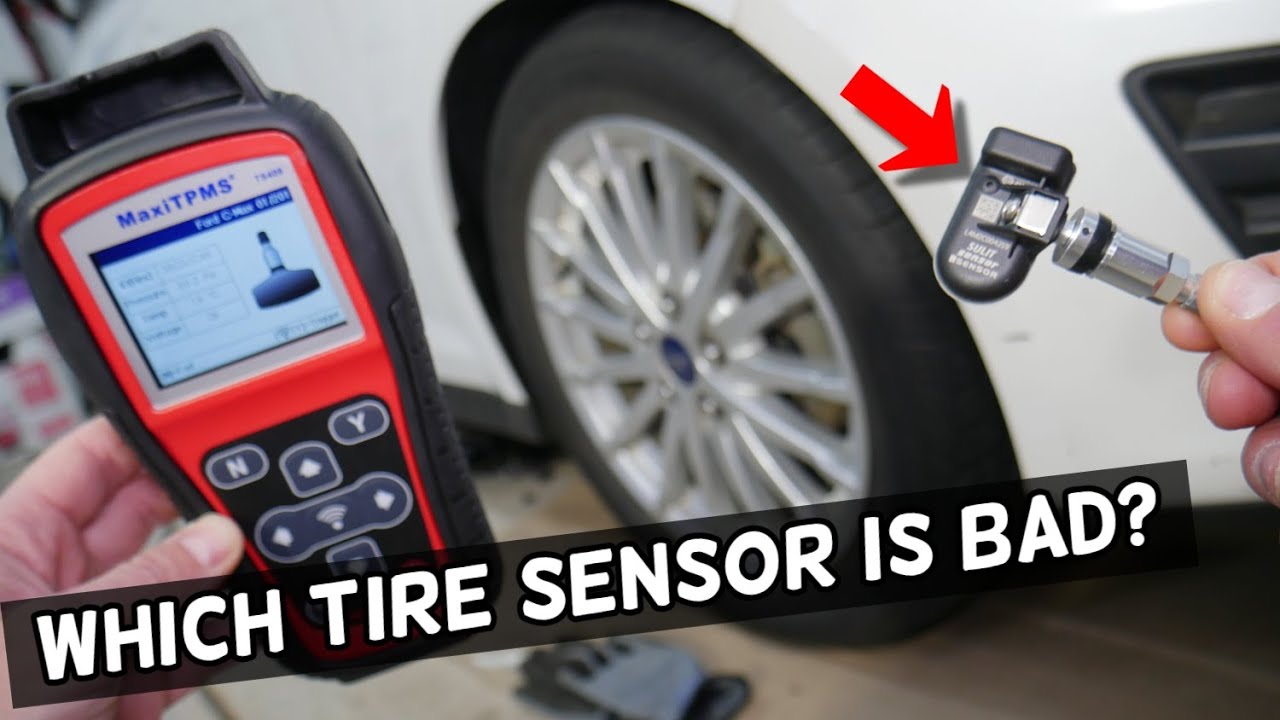
Diagnosing a bad TPMS sensor in your Toyota needs specific tools. These tools help find the exact sensor causing trouble. Using the right tools saves time and effort. Here are the essential tools to check your TPMS sensors.
Tpms Diagnostic Scanner
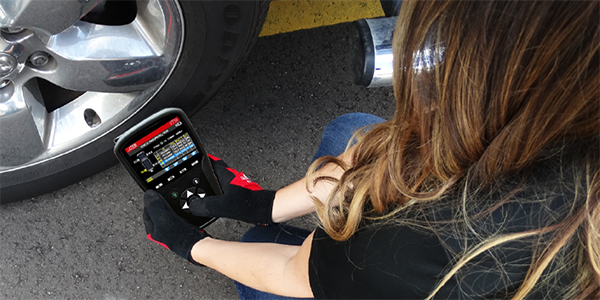
A TPMS diagnostic scanner reads sensor signals directly. It identifies which sensor sends a weak or no signal. This tool shows real-time tire pressure data. It also resets the system after repairs. Easy to use and very accurate.
Tire Pressure Gauge
A tire pressure gauge measures the air pressure in each tire. It confirms if tires are under or over-inflated. This simple tool helps compare actual pressure with sensor readings. It is small, cheap, and essential for quick checks.
Obd-ii Reader
An OBD-II reader connects to your Toyota’s diagnostic port. It reads error codes related to the TPMS system. These codes point out specific sensor issues or system faults. This tool is handy for a deeper car system scan.
Step-by-step Sensor Testing Process
Testing the TPMS sensor on your Toyota helps find the bad one quickly. Follow this step-by-step sensor testing process. It saves time and ensures your vehicle stays safe on the road. Each step focuses on one part of the process. Start by locating the sensors, then use a TPMS scanner. Finally, check each sensor’s signal to spot the faulty one.
Locating The Tpms Sensors
TPMS sensors are inside the tire, attached to the valve stem. Usually, there is one sensor per tire. Check the owner’s manual to find exact sensor locations. Some Toyota models have sensors in the spare tire too. Make sure the tire is off the ground before testing. This helps access the sensor easily and safely.
Using A Tpms Scanner
A TPMS scanner reads signals from each sensor. Turn on the scanner and place it near the tire. The scanner will show sensor IDs and battery status. This device helps identify which sensor is not working. Use the scanner on all four tires. Note down any sensor with a weak or no signal.
Checking Individual Sensor Signals
Check each sensor’s signal strength carefully. A bad sensor sends weak or no signal. Compare signals from all sensors to find the odd one out. If a sensor’s battery is dead, it will fail to send data. Replace the sensor if its signal is missing or weak. This keeps your Toyota’s TPMS system accurate and reliable.
Common Tpms Sensor Issues In Toyota
TPMS sensors in Toyota vehicles help monitor tire pressure for safety. These sensors can face issues that cause warning lights to turn on. Understanding common problems helps identify a bad sensor quickly. This saves time and avoids costly repairs.
Sensor Damage Or Corrosion
Physical damage is a frequent cause of TPMS sensor failure. Sensors inside the tire valve stem can break from road debris or impact. Corrosion also affects sensors, especially in areas with salt on roads. Damaged or corroded sensors lose the ability to send accurate data.
Battery Failure
TPMS sensors use small batteries that last several years. Battery life depends on driving habits and sensor quality. When the battery dies, the sensor stops working. A dead battery causes the TPMS warning light to stay on. Battery replacement usually means replacing the entire sensor.
Signal Interference
TPMS sensors send wireless signals to the car’s computer. Signal interference can block or weaken these transmissions. Metal objects, electronic devices, or thick tires may cause interference. Poor signal leads to false warnings or no alerts at all.
Resetting And Relearning Tpms Sensors
Resetting and relearning TPMS sensors is essential after replacing a sensor or rotating tires. This process ensures the Toyota’s system recognizes the correct sensor IDs. Without proper reset, the warning light may stay on, causing confusion or safety concerns.
Each Toyota model may have a slightly different reset method. The goal stays the same: clear old sensor data and teach the system the new sensor’s ID. Below are common ways to reset and relearn TPMS sensors on Toyota vehicles.
Manual Reset Procedures
Many Toyota models allow a manual reset of the TPMS system. Start by turning the ignition to the “ON” position without starting the engine. Locate the TPMS reset button, usually under the steering wheel.
Press and hold the button until the TPMS light blinks three times, then release. Drive the car for several minutes to complete the reset. This method clears old sensor data and prompts the system to learn new sensors.
Using Toyota’s Relearn Tool
Toyota offers a special TPMS relearn tool for more accurate sensor programming. This handheld device communicates directly with the sensors. It reads sensor IDs and sends them to the car’s computer.
Connect the relearn tool to the vehicle’s OBD-II port. Follow the tool’s instructions to activate each sensor. This method is precise and recommended for sensor replacement or complex resets.
Driving To Complete Sensor Relearn
Driving the vehicle can finalize the TPMS sensor relearn process. After reset or using the relearn tool, drive at speeds above 30 mph for about 10 minutes. This lets the system detect all sensor signals clearly.
The TPMS warning light should turn off once the sensors are relearned. Keep an eye on the dashboard to confirm the system recognizes all tires correctly.

Credit: www.reddit.com
Replacing A Bad Tpms Sensor
Replacing a bad TPMS sensor in your Toyota ensures accurate tire pressure readings. This keeps your drive safe and your tires in good shape. The process involves choosing the right sensor, installing it carefully, and programming it to your car.
Choosing The Right Replacement Sensor
Select a sensor that matches your Toyota model and year. Sensors come in different types and frequencies. Using the wrong sensor can cause errors or no signal. Check your owner’s manual or ask a trusted parts store. OEM sensors are often the best fit and quality.
Installation Tips
Remove the tire from the wheel to access the sensor. Handle the sensor gently to avoid damage. Clean the valve stem area before installing the new sensor. Tighten the sensor nut to the correct torque. Avoid overtightening to prevent leaks or sensor breakage. Rebalance the tire after installation for smooth driving.
Programming New Sensors
New sensors need programming to communicate with your Toyota’s system. Some cars program sensors automatically during driving. Others require a special tool or visit to a mechanic. Follow your vehicle’s instructions for programming steps. Check the dashboard for the TPMS light to confirm success.
Preventing Future Tpms Sensor Issues
Preventing future TPMS sensor issues helps keep your Toyota safe and efficient. Taking care of these sensors avoids unexpected warning lights and costly repairs. Simple habits protect the sensors and extend their life.
Regular Maintenance
Check your TPMS sensors during tire rotations and oil changes. Technicians can spot sensor damage or battery wear early. Clean the sensors gently to remove dirt. Regular inspections catch problems before they cause sensor failure.
Proper Tire Inflation
Keep your tires inflated to the recommended pressure. Overinflated or underinflated tires strain TPMS sensors. Use a reliable gauge to check pressure weekly. Proper inflation reduces sensor stress and improves driving safety.
Battery Replacement Intervals
Most TPMS sensors have batteries lasting 5 to 10 years. Replace the sensor battery as soon as it runs low. Dead batteries cause false warnings and sensor shutdowns. Follow Toyota’s guidelines for timely battery replacement.
Credit: www.tirereview.com
Frequently Asked Questions
How Do I Identify A Bad Tpms Sensor On Toyota?
A bad TPMS sensor triggers the warning light on your dashboard. Use a TPMS tool to scan each sensor. Low tire pressure or no signal indicates a faulty sensor that needs replacement.
What Causes Toyota Tpms Sensors To Fail?
TPMS sensors fail due to battery depletion, corrosion, or physical damage. Extreme temperatures and rough road conditions also affect sensor performance. Regular checks can help detect issues early.
Can I Drive With A Bad Tpms Sensor On Toyota?
Driving with a bad TPMS sensor is risky. It prevents accurate tire pressure monitoring, increasing the chance of tire damage or accidents. Fix or replace the sensor promptly for safety.
How Often Should Toyota Tpms Sensors Be Replaced?
Toyota TPMS sensors typically last 5 to 10 years. Battery life limits sensor function, requiring replacement after this period. Regular maintenance checks help determine sensor health and replacement timing.
Conclusion
Knowing which TPMS sensor is bad helps keep your Toyota safe. Check each sensor carefully for issues. Replace the faulty sensor to avoid warning lights. Regularly inspect your tires and sensors for smooth driving. This simple step saves time and money on repairs.
Stay alert to sensor signals and act quickly. Your Toyota will run better and safer with good sensors. Don’t ignore warning signs; address problems early. Keeping sensors in good shape means peace of mind on the road.


