How to Grease Wheel Bearings Without Removing
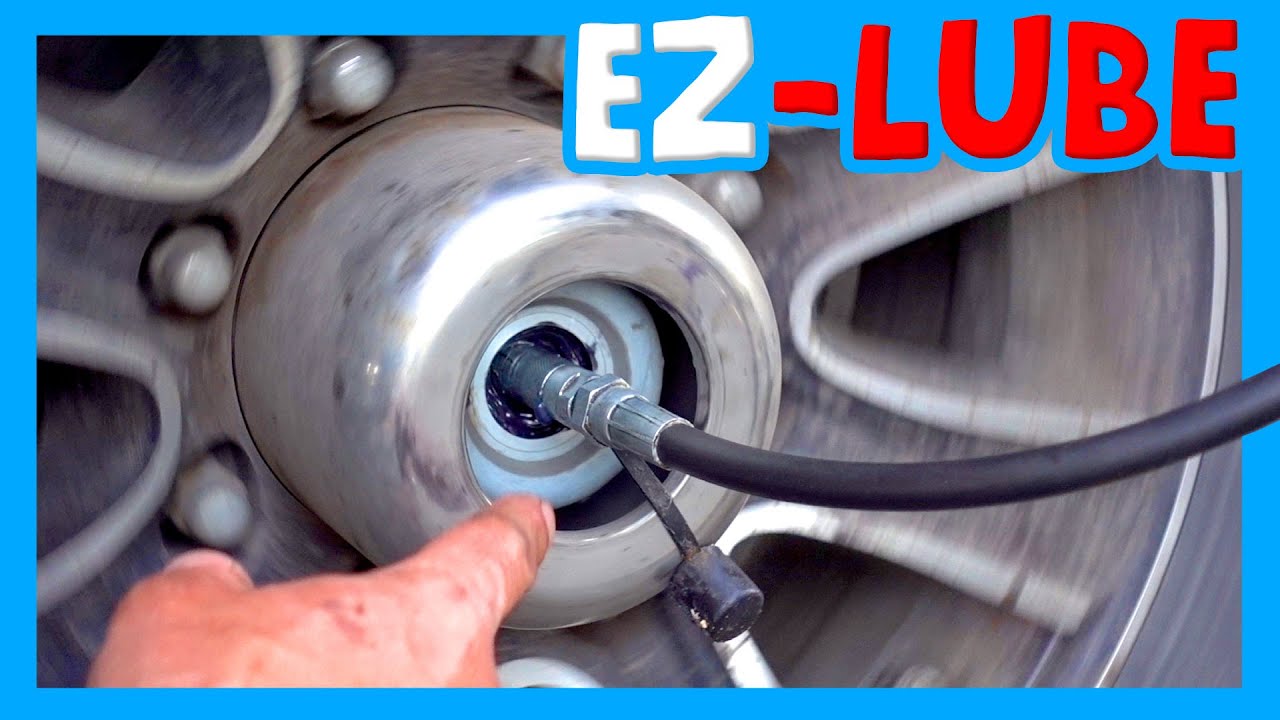
To grease wheel bearings without removal, use a grease gun to inject lubricant through the grease fitting. Ensure the area is clean before proceeding.
Regular maintenance of wheel bearings ensures longevity and optimal performance of your vehicle. Greasing wheel bearings can sometimes be done without the need to fully remove them, which saves both time and effort. This task requires precision and the correct tools to inject grease directly into the bearing assembly via a fitting.
Proper lubrication reduces friction, prevents wear, and extends the life of the wheel bearings. Vehicle owners should undertake this maintenance step as part of a regular vehicle care routine to avoid future complications. By following a few straightforward steps, one can efficiently grease their wheel bearings without the hassle of removal, ensuring a smoother ride and peace of mind.

Credit: www.amazon.com
Introduction To Greasing Wheel Bearings
Wheel bearings play a crucial role in the smooth running of your vehicle. They reduce friction and support the weight of your car. Like any other part, they need care. Greasing wheel bearings is an essential task. Proper lubrication extends their life and ensures your safety on the road.
Essence Of Regular Lubrication
Regular lubrication of wheel bearings is vital for vehicle maintenance. It keeps the bearings rolling smoothly. Grease acts as a barrier against dirt and moisture. It prevents rust and wear. Let’s break down why it’s a non-negotiable routine.
- Minimizes friction: Grease reduces metal-to-metal contact.
- Protects parts: It forms a protective layer on bearings.
- Improves longevity: Proper greasing can extend the life of bearings.
What Happens If You Neglect Greasing?
Ignoring the lubrication of wheel bearings can lead to problems. It’s a sure-fire way to invite trouble. The impact is both on performance and safety. Here are the consequences.
- Risk of failure: Bearings can seize or break without grease.
- Increased wear: Lack of lubrication accelerates deterioration.
- Unsafe driving: Faulty bearings compromise vehicle control.
Credit: catechusa.com
Types Of Wheel Bearings
Understanding the types of wheel bearings is crucial for proper maintenance. Wheel bearings enable wheels to rotate with minimal friction. They are a key component in the vehicle’s wheel assembly. Two main types are common in vehicles: Traditional Tapered Bearings and Sealed Bearing Units.
Traditional Tapered Bearings
Traditional tapered bearings consist of two parts: the cup and the cone. Mechanically adjustable, they have been in use for decades. Ideal for high-load applications, they fit many older models. Here’s a quick glance at their structure:
- Bearing Cone (inner ring with rollers attached)
- Bearing Cup (outer ring)
To grease these bearings without removal, the cone adjustment must be precise. A grease gun injects grease directly into the bearing. It’s a task you can do at home with basic tools.
Sealed Bearing Units
Sealed bearing units, also known as hub assemblies, are maintenance-free. Each unit is a sealed pack of bearings, allowing no dirt or moisture to enter. Their compact design means no manual greasing is necessary. Here’s what makes sealed bearing units distinct:
- Completely sealed design
- Pre-lubricated with a high-quality grease
- No manual greasing required
Sealed bearings are increasingly common in modern vehicles. They do not require greasing as part of maintenance, saving you time.
To summarize, wheel bearings are critical for smooth vehicle operation. Whether you have traditional or sealed bearings affects how you approach maintenance. Understanding your vehicle’s bearing type is the first step to the right upkeep.
Tools And Materials Needed
Embarking on the task of greasing wheel bearings without their removal necessitates preparation. The right tools and materials are pivotal. Without these key components, the process could be inefficient or even potentially damaging to the vehicle.
List Of Necessary Items
Begin with a comprehensive checklist of items needed to grease your wheel bearings effectively.
- Wheel chocks: To secure the vehicle and prevent rolling.
- Lug wrench: For loosening the wheel nuts.
- Jack and jack stands: To elevate and support the car safely.
- Grease gun: Essential for applying grease to the bearings.
- Cleaning rags: To clean any excess grease and debris.
- Safety glasses: To protect your eyes from contaminants.
- Gloves: To keep your hands clean and protect from grease.
Selecting The Right Grease
Not all grease is created equal. Select the appropriate type for your particular wheel bearings. Consult your vehicle’s manual or a trusted automotive expert. They can provide recommendations for the best grease to use.
Attributes to consider include:
- Viscosity: Grease thickness appropriate for your bearings and climate.
- Water resistance: Crucial if driving through wet conditions often.
- Temperature endurance: The ability to withstand high operating temperatures.
Popular choices often have a lithium or lithium complex base. This provides durability and is suitable for a wide range of temperatures.

Credit: dirtwheelsmag.com
Step-by-step Guide To Grease Bearings
Keeping your wheel bearings greased is crucial for smooth rides. Learn how to grease them without removal below.
Locating The Grease Fitting
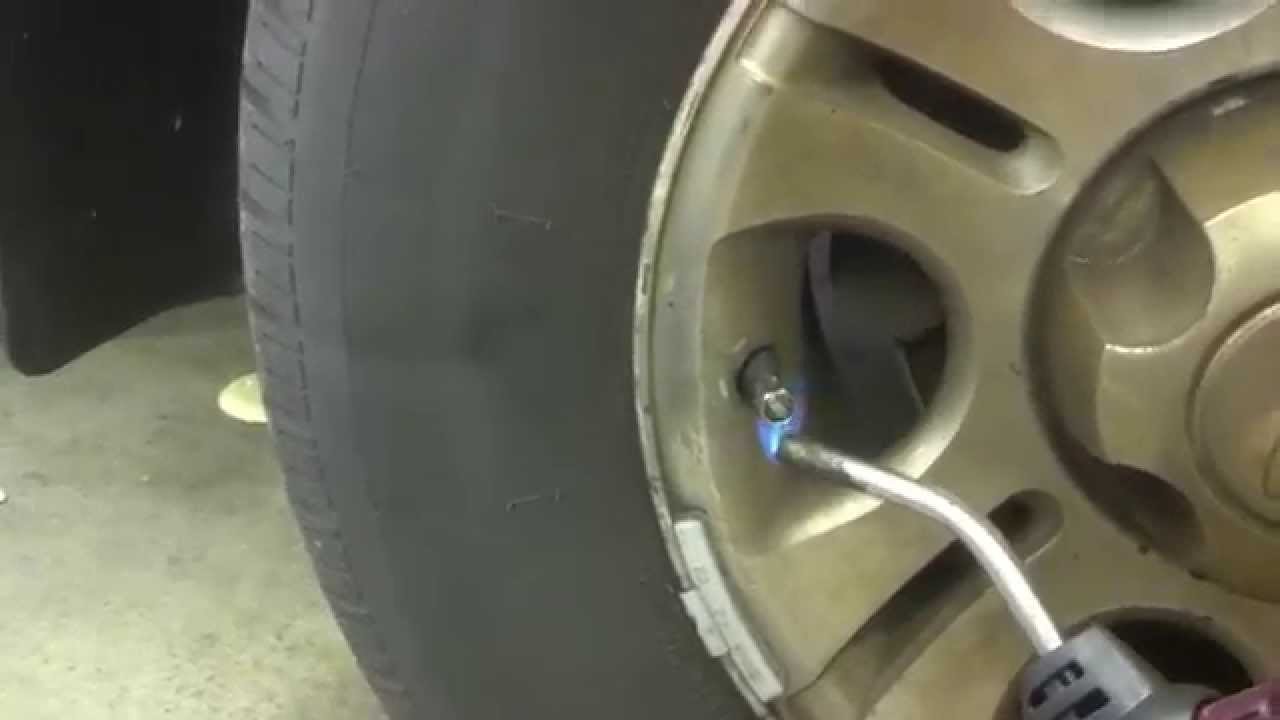
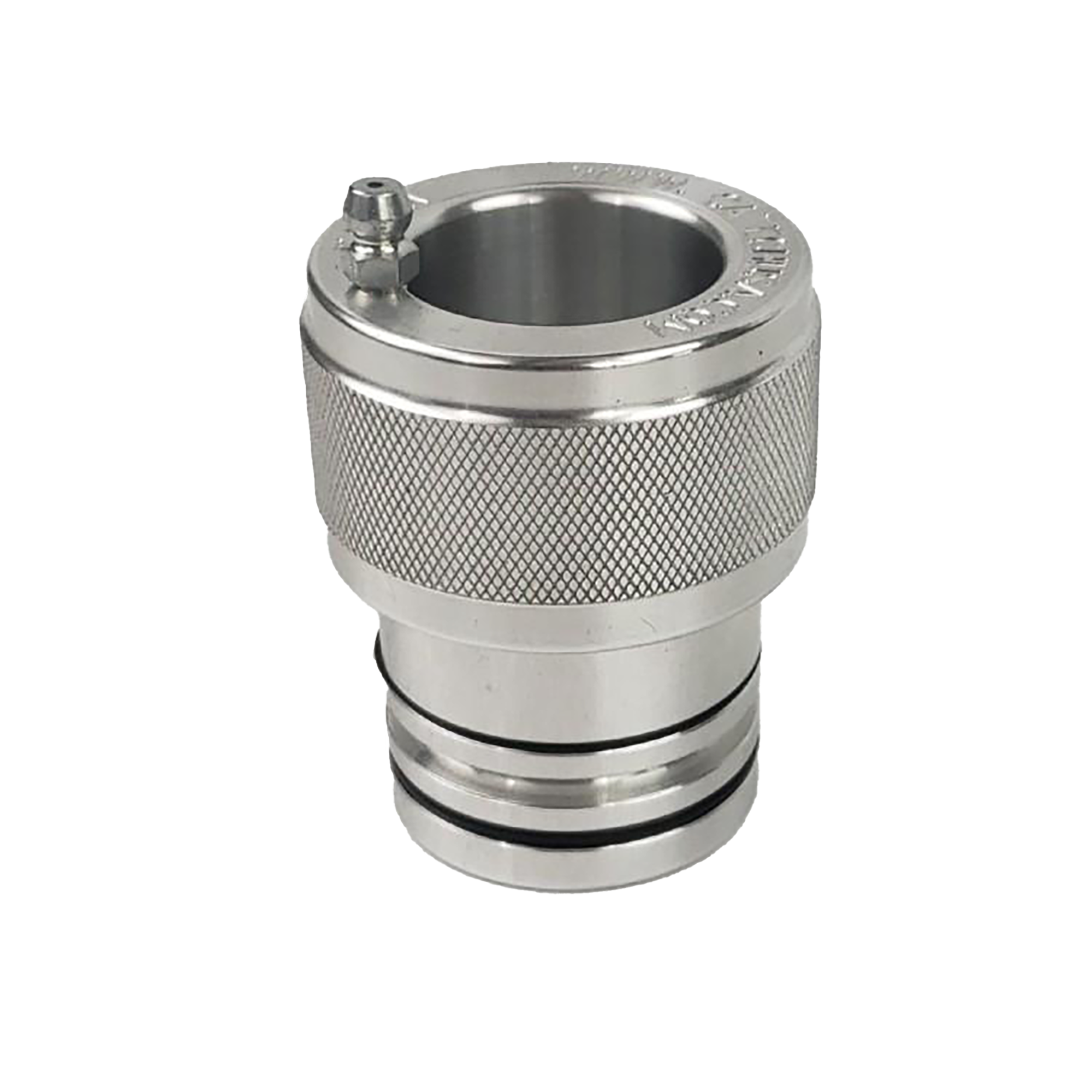
Begin by finding the grease fitting on your wheel hub. Look for a small nipple-like part. It’s the entry point for grease. Check your vehicle manual if you cannot find it.
Applying Grease Properly
Once you locate the fitting, clean around it to prevent dirt from entering. Attach a grease gun and pump in the lubricant slowly. Watch for old grease oozing out. This indicates that the new grease is filling the cavity.
Ensuring Even Distribution
Evenly distributed grease prevents wear and overheating. After application, rotate the wheel to spread the grease inside. Continue adding grease until it appears around the edges of the bearing seal. Clean excess grease to finish.
Table showing summary:| Step | Action |
|---|---|
| 1 | Locate grease fitting |
| 2 | Clean and attach grease gun |
| 3 | Pump grease and observe |
| 4 | Rotate wheel and add more grease |
| 5 | Clean excess grease |
Follow these steps to ensure a well-greased bearing without the hassle of removing it. Regular maintenance keeps your rides smooth!
Safety Precautions And Best Practices
Greasing wheel bearings is crucial maintenance. Yet, it’s vital to do it safely. Follow these steps to keep yourself and your vehicle in the best shape.
Personal Safety Gear
Before starting, gear up for safety:
- Gloves: Wear them to protect your hands from grease.
- Goggles: Use them to shield your eyes from splatters.
- Apron or coveralls: Keep your clothes grease-free.
Avoiding Over-greasing
Too much grease can harm bearings. It may cause heat buildup.
Follow these tips:
- Use a grease gun with a pressure limit.
- Count the grease gun strokes.
- Stop when you feel slight resistance.
Disposal Of Old Grease
Disposing old grease requires care. It shouldn’t pollute.
| Step | Action |
|---|---|
| 1 | Clean off old grease with a scraper. |
| 2 | Collect it in a sealable container. |
| 3 | Take it to a proper disposal facility. |
Maintenance Schedules And Longevity
Greasing wheel bearings ensures a smooth ride and prolongs the lifespan of your vehicle’s wheels. Regular maintenance can prevent costly repairs and roadside emergencies. Understanding how often to grease wheel bearings and recognizing wear and tear signs can save time and money while keeping you safe on the road.
Recommended Greasing Intervals
Consistent greasing is key to wheel bearing longevity. Each vehicle has unique requirements. Review your owner’s manual for specifics. Trailer bearings may need annual service, while automotive bearings often last longer.
- Trailers – Grease annually or every 10,000 miles.
- Cars and Trucks – Check at service intervals, usually every 30,000 miles.
- Heavy Machinery – Service based on hours of operation or quarterly.
Signs That Bearings Need Attention
Bearings scream for attention when in distress. Heed these signals to prevent bigger issues.
| Sign | Meaning |
|---|---|
| Grinding Noises | Bearings may be worn or damaged. |
| Wheel Wobble | Indicates a loose or deteriorating bearing. |
| Uneven Tire Wear | Potential bearing misalignment. |
| Burning Smell | Friction could point to a seizing bearing. |
Inspect immediately upon noticing these signs. Prompt attention could avoid bearing failure and potential accidents.
Frequently Asked Questions Of How To Grease Wheel Bearings Without Removing
Can You Grease Bearings Without Removing Them?
Yes, you can grease bearings without removal, using a grease gun. Insert the nozzle into the grease fitting and pump until fresh grease appears. Ensure even distribution without over-greasing.
What Tools Are Needed To Grease Bearings?
To grease bearings, you’ll need a grease gun with the appropriate grease. Some may also use a rag to clean excess grease and safety equipment like gloves.
How Often Should Wheel Bearings Be Greased?
Wheel bearings typically require greasing every 30,000 to 40,000 miles. However, refer to your vehicle’s manual for specific maintenance schedules and recommendations.
What Type Of Grease Is Best For Wheel Bearings?
High-temperature, high-load grease is best for wheel bearings. Look for lithium-based or synthetic greases that specify wheel bearing use to ensure longevity and proper functioning.
Conclusion
Greasing your wheel bearings can be a quick, straightforward task that keeps your vehicle running smoothly. By following the steps outlined, you maintain optimal performance and avoid unnecessary disassembly. Remember, regular maintenance extends the life of your bearings and ensures a safer ride for you and your passengers.
Safe travels and happy maintenance!