

How Much Does A Toyota Tundra Weigh
If you’re thinking about buying a Toyota Tundra or just curious about its size, knowing how much it weighs is key. The weight affects everything from fuel efficiency to towing power and handling.
But with different models and trims, the numbers can vary quite a bit. You’ll discover the exact weight of the Toyota Tundra and why it matters to you. Keep reading to get the facts that will help you make smarter decisions about your next truck.
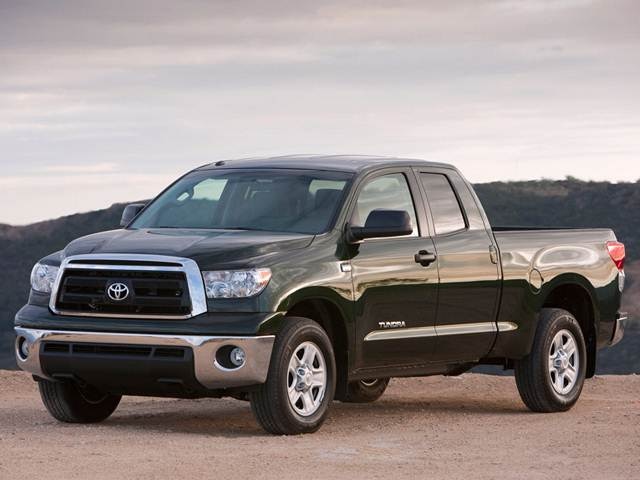
Credit: www.kbb.com
Toyota Tundra Weight Basics
The weight of a Toyota Tundra affects its performance, fuel efficiency, and towing ability. Understanding its weight helps in making safe driving and loading decisions. The Tundra’s weight varies based on model, engine, and features.
This section breaks down the two main weight terms you must know. These are curb weight and gross vehicle weight rating. Both tell you important details about the truck’s capacity and limits.
Curb Weight Explained
Curb weight is the weight of the truck ready to drive. It includes the vehicle with standard equipment, all fluids, and a full tank of fuel. It does not include passengers or cargo. For the Toyota Tundra, curb weight usually ranges between 5,300 and 5,800 pounds. Lighter models offer better fuel economy. Heavier ones might provide more power and stability.
Gross Vehicle Weight Rating
Gross Vehicle Weight Rating (GVWR) is the maximum weight the Tundra can safely carry. This includes the truck itself, passengers, cargo, and trailer tongue weight. Exceeding the GVWR can harm the vehicle and cause unsafe driving. The Toyota Tundra’s GVWR typically sits between 7,000 and 7,200 pounds. Always check this rating before loading your truck or towing.
Weight Variations By Model
The weight of a Toyota Tundra changes based on the model type. Each model has a unique size and design. These differences affect the truck’s total weight. Knowing the weight helps with towing, fuel efficiency, and handling. Below, see how weight varies among the main Tundra models.
Regular Cab Models
Regular Cab Tundras are the lightest. They have a single row of seats. This model is compact and simple. Their weight usually ranges from 5,300 to 5,600 pounds. These trucks are easier to maneuver and park. They suit those who need a strong truck without extra space.
Double Cab Models
Double Cab Tundras add more space for passengers. They have a smaller back seat behind the front row. This design adds weight, typically between 5,600 and 5,900 pounds. The extra weight comes from the larger cab and frame. These trucks offer a balance of space and power.
Crewmax Models
CrewMax Tundras are the heaviest and biggest. They have four full-size doors and a roomy back seat. Their weight ranges from 5,900 to over 6,200 pounds. This size adds comfort and cargo space. It also means a stronger frame and heavier build. CrewMax models suit families or those needing more room.
Impact Of Engine And Drivetrain
The weight of a Toyota Tundra changes based on its engine and drivetrain. These parts are key to how heavy the truck will be. The engine size and type add different amounts of weight. The drivetrain setup also plays a role in the total weight. Understanding these factors helps explain why Tundra models vary in weight.
V6 Vs V8 Engines
Tundras come with V6 or V8 engines. V8 engines weigh more due to extra cylinders and parts. This adds about 100 to 150 pounds compared to a V6. The V8 offers more power but increases the truck’s weight. The V6 is lighter and helps save fuel. Engine choice impacts overall truck weight and performance.
4×2 Vs 4×4 Configurations
Two main drivetrain setups exist for the Tundra: 4×2 and 4×4. The 4×4 system has more components like a transfer case and extra drive shafts. These parts add extra weight of around 150 to 200 pounds. The 4×2 is lighter and simpler, with fewer parts. The 4×4 adds weight but improves off-road capability and traction.
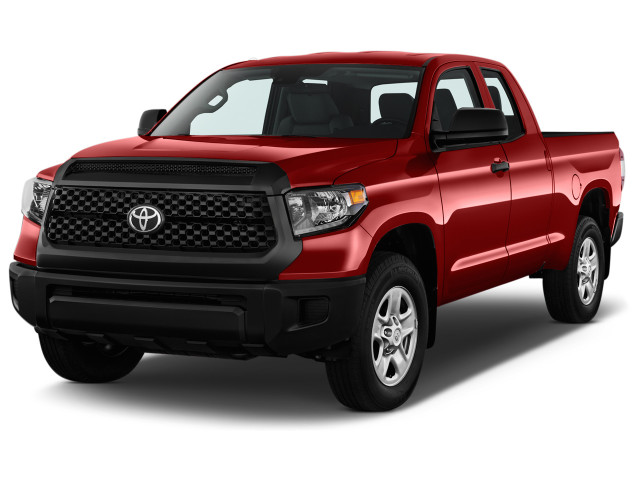
Credit: www.thecarconnection.com
Effects Of Payload And Towing
The weight of a Toyota Tundra affects how much it can carry and tow safely. Payload and towing impact the truck’s performance and safety on the road. Knowing these effects helps drivers avoid damage and accidents. It also helps in planning trips and loads better.
Payload Capacity Limits
Payload is the weight a truck can carry in its bed and cabin. This includes passengers, tools, and cargo. The Tundra has a payload limit that varies by model and configuration. Staying within this limit keeps the truck stable and prevents strain on the suspension. Exceeding the payload limit can cause tire wear, poor handling, and brake problems.
Towing Weight Considerations
Towing weight is the maximum weight the Tundra can pull safely. This includes trailers, boats, or campers. Towing over the limit risks engine damage and overheating. The truck’s frame and brakes also face more wear. Proper towing helps maintain control and stops the truck effectively. Always check the Tundra’s towing capacity before hauling heavy loads.
Comparing Tundra To Other Trucks
Comparing the Toyota Tundra to other popular trucks helps understand its size and weight. Weight affects fuel efficiency, handling, and cargo capacity. Knowing these differences helps buyers choose the right truck for their needs.
Weight Differences With Ford F-150
The Toyota Tundra weighs between 5,300 and 5,800 pounds. The Ford F-150 ranges from 4,000 to 5,700 pounds. The F-150 can be lighter, especially in its aluminum body versions. This lower weight can improve fuel economy and agility. The Tundra, however, often carries more weight due to its solid frame and heavy-duty build.
Weight Differences With Chevrolet Silverado
The Chevrolet Silverado weighs from 4,500 to 5,700 pounds. This range overlaps with the Tundra’s weight. Silverado offers different models, some lighter than the Tundra. The Tundra usually stays at the higher end of the weight spectrum. Its heavier weight can mean a stronger build but less fuel efficiency.
Why Weight Matters
The weight of a Toyota Tundra is more important than many think. It affects how the truck drives, how much fuel it uses, and how safe it is. Knowing why weight matters helps buyers make better choices.
Fuel Efficiency Impact
Heavier trucks need more fuel to move. The Toyota Tundra’s weight affects its gas mileage. A lighter truck uses less fuel and saves money. Weight plays a key role in fuel costs over time.
Performance And Handling
Weight changes how the Tundra handles on the road. A heavier truck may feel slower but can carry bigger loads. It also affects braking distance and stability. Weight balance helps keep the truck steady and easy to control.
Safety Factors
Weight impacts the Tundra’s safety in crashes. Heavier vehicles often protect passengers better. The truck’s weight helps absorb crash forces. It also affects how the truck reacts in emergencies. Safety depends a lot on the truck’s mass and build.

Credit: www.caranddriver.com
Frequently Asked Questions
What Is The Average Weight Of A Toyota Tundra?
The average weight of a Toyota Tundra ranges from 5,200 to 5,700 pounds. It varies by model year and trim level.
How Much Does A 2024 Toyota Tundra Weigh?
The 2024 Toyota Tundra weighs approximately 5,300 to 5,600 pounds, depending on its configuration and engine options.
Does The Toyota Tundra Weight Affect Fuel Efficiency?
Yes, a heavier Toyota Tundra typically has lower fuel efficiency compared to lighter trucks in its class.
How Does Payload Capacity Relate To Tundra’s Weight?
Payload capacity depends on the truck’s weight and design, usually between 1,500 to 1,730 pounds for the Tundra.
Conclusion
The Toyota Tundra’s weight varies by model and features. Knowing the weight helps with towing and fuel efficiency. It affects how the truck handles on roads and off-road. Always check the exact weight before making decisions. This way, you get the best use from your Tundra.
Weight matters, but so does how you drive it. Choose wisely and enjoy your truck’s strong performance.


