
How Heavy Is A Toyota Camry
Have you ever wondered just how heavy a Toyota Camry is? Whether you’re curious about its impact on fuel efficiency, handling, or safety, knowing the exact weight can give you a clearer picture of what to expect from this popular car.
Understanding your vehicle’s weight isn’t just trivia—it can affect your driving experience and even your budget. Keep reading, and you’ll discover everything you need to know about the Toyota Camry’s weight and why it matters to you.
Toyota Camry Weight Range
The Toyota Camry is a popular midsize sedan. Its weight changes based on the year and model. Understanding the weight range helps with fuel efficiency and driving feel. Let’s explore how much a Camry weighs across different versions.
Weight By Model Year
Older Camrys usually weigh less than newer ones. For example, a 2010 model weighs around 3,300 pounds. Newer models, like 2023, can weigh up to 3,500 pounds. The weight increase is due to added safety features and technology. This makes newer cars safer but slightly heavier.
Differences Across Trims
The Camry comes in several trims. Base trims weigh less than fully loaded versions. For instance, the LE trim might weigh about 3,350 pounds. The XLE trim, with more features, can weigh close to 3,600 pounds. Extra features like leather seats and larger wheels add weight.
Impact Of Hybrid Versions
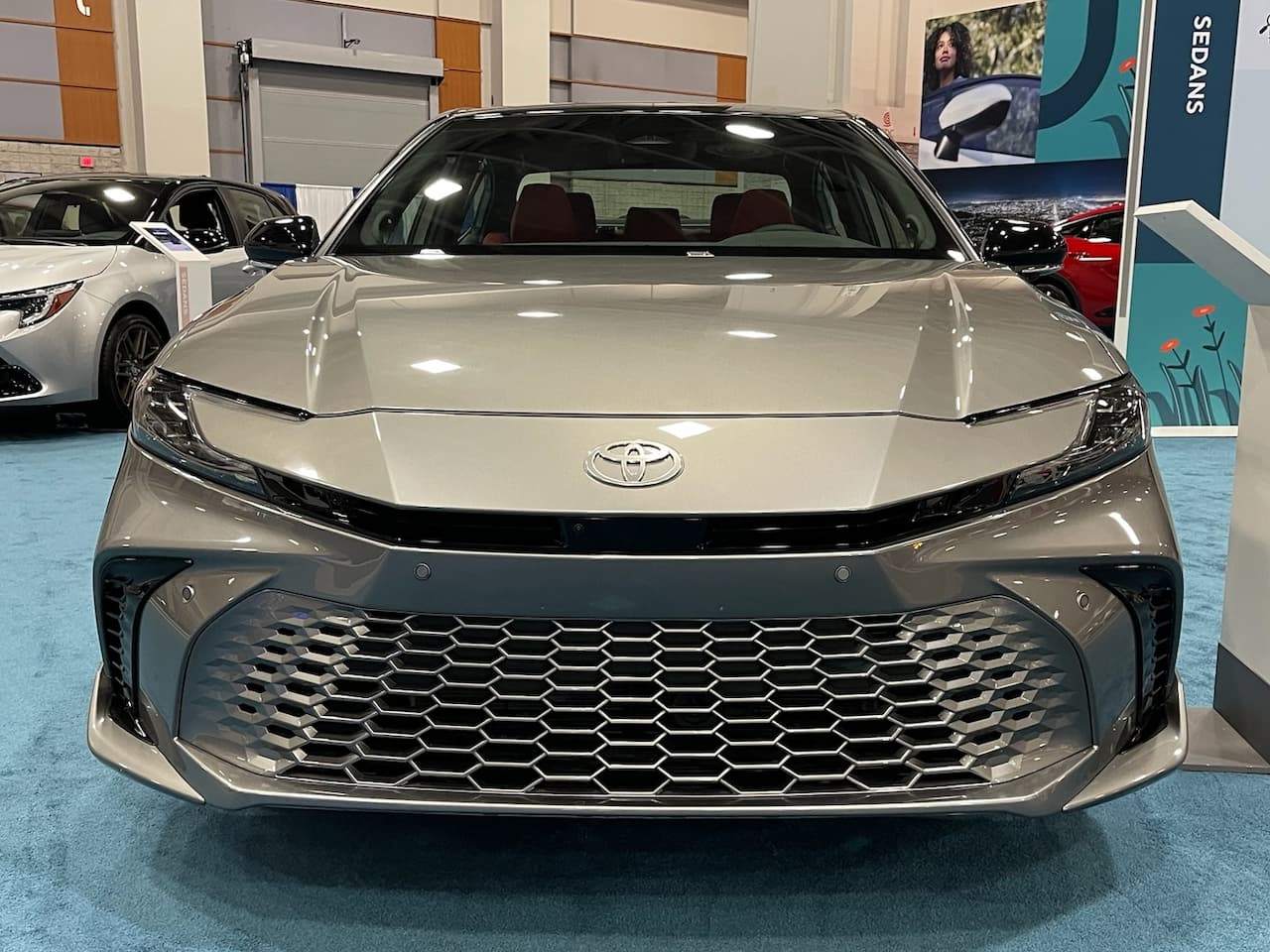
Hybrid Camrys weigh more than regular gas models. The battery pack adds extra weight. A hybrid Camry usually weighs around 3,600 pounds. This is about 200-300 pounds heavier than non-hybrid versions. The extra weight balances with better fuel economy.
Credit: topelectricsuv.com
Factors Influencing Vehicle Weight
The weight of a Toyota Camry depends on several key factors. These factors affect how heavy the car is on the road. Understanding them helps explain the car’s overall weight and performance. Each element plays a role in the final number.
Materials Used In Construction
The materials used in the Camry’s build impact its weight a lot. Steel is common for strength but adds weight. Aluminum parts reduce weight while keeping durability. Some models use lightweight plastics in certain areas. This mix balances safety, cost, and weight.
Added Features And Options
Extra features add weight to the Camry. Sunroofs, larger wheels, and advanced sound systems all contribute. Safety features like airbags and sensors also add pounds. More luxury options mean more weight under the hood and inside. Each option changes the car’s total mass.
Fuel And Cargo Load
The amount of fuel in the tank affects the weight. A full tank can add over 100 pounds. Cargo such as bags or equipment also adds weight. Passengers increase the total weight too. These loads change the car’s weight every time you drive.
Comparing Camry Weight With Competitors
The weight of a Toyota Camry plays a key role in how it drives and performs. Comparing its weight with other cars in the same class helps buyers understand what to expect. The Camry fits right in with other mid-size sedans, balancing comfort, fuel efficiency, and power.
Mid-size Sedan Averages
Most mid-size sedans weigh between 3,200 and 3,600 pounds. The Toyota Camry usually falls near the middle of this range. For example, the 2024 Camry weighs about 3,400 pounds. Competitors like the Honda Accord and Nissan Altima have similar weights. This range supports a smooth ride and good gas mileage.
Weight And Performance Correlation
Weight affects how a car accelerates and handles. Heavier cars often feel more stable but may use more fuel. Lighter cars can be quicker and more agile but sometimes feel less steady. The Camry balances weight and power well. This balance helps deliver solid performance without sacrificing comfort or efficiency.
Why Vehicle Weight Matters
The weight of a vehicle plays a big role in how it drives and performs. It affects many parts of the car’s function. This is true for the Toyota Camry as well. Knowing why vehicle weight matters helps drivers understand its impact on fuel use and safety.
Fuel Efficiency Effects
Heavier cars need more energy to move. This means they use more fuel. The Toyota Camry’s weight influences how much gas it consumes. A lighter car can travel farther on the same amount of fuel. So, weight directly affects your fuel costs and how often you visit the gas station.
Handling And Safety Considerations
Weight changes how a car handles on the road. A heavier Toyota Camry feels more stable at high speeds. It can also stop better in emergencies because of its mass. On the other hand, too much weight can make steering harder. Balance in weight helps keep the car safe and easy to control.
How To Find Your Camry’s Exact Weight
Knowing your Toyota Camry’s exact weight helps in many ways. It affects fuel efficiency, handling, and safety. Finding this number is simple with the right steps. You can check documents or use a scale. Below are easy methods to get the exact weight of your Camry.
Checking The Owner’s Manual
The owner’s manual holds important details about your car. It lists the curb weight, which is the car’s weight without passengers or cargo. Find the section about specifications or technical data. This number is official and reliable. It helps understand how heavy your Camry is on the road.
Using Vehicle Identification Number (vin)
The VIN is a unique code for each car. You can use it to find detailed info online. Many websites and services provide weight data by entering your VIN. This method is quick and precise. It shows exact numbers based on your car’s model and year.
Weighing At A Scale
For the most accurate weight, use a vehicle scale. Public weigh stations or truck stops have these scales. Drive your Camry onto the scale and record the number. This method shows the current weight with fluids and any cargo. It is useful for custom setups or modifications.

Credit: www.greentoyota.com

Credit: www.youtube.com
Frequently Asked Questions
How Much Does A Toyota Camry Weigh?
A Toyota Camry typically weighs between 3,300 and 3,500 pounds. The exact weight depends on the model year and trim level. Heavier trims include hybrid versions due to battery packs. This weight range impacts fuel efficiency and driving performance.
Does The Camry’s Weight Affect Fuel Efficiency?
Yes, the weight of a Toyota Camry directly influences its fuel efficiency. Heavier models consume more fuel because the engine works harder. Lighter trims often deliver better mileage. Hybrid Camrys balance weight with efficient powertrains to optimize fuel economy.
How Does Camry’s Weight Compare To Other Sedans?
The Toyota Camry’s weight is average for midsize sedans, ranging around 3,300 to 3,500 pounds. It is lighter than some luxury sedans but heavier than compact cars. This balance provides a mix of stability, comfort, and fuel economy.
What Factors Influence Toyota Camry’s Weight?
Several factors affect the Camry’s weight, including engine size, trim level, and hybrid components. Additional features like safety systems and interior materials also add weight. Each variation adjusts the overall mass, impacting performance and handling.
Conclusion
The Toyota Camry weighs between 3,200 and 3,600 pounds. This weight helps the car stay stable and safe on the road. It affects fuel efficiency and how the car handles. Knowing the weight can help with parking and driving in different conditions.
Overall, the Camry’s weight fits well with its size and purpose. It balances power and comfort for everyday driving. This information helps you understand the car better. Easy to drive, reliable, and well-built—that’s the Camry’s weight story.


