Can a Bad Ignition Switch Cause No Power to Fuel Pump
Yes, a bad ignition switch can cause no power to the fuel pump, preventing fuel delivery to the engine. A faulty ignition switch may fail to provide the necessary electrical signal to the fuel pump relay.
The ignition switch is a critical component in a vehicle’s starting system, playing a pivotal role in powering various accessories and initiating the engine’s ignition process. When the ignition switch starts to fail, it can exhibit a variety of symptoms, one of which includes interruption of power to the fuel pump, leading to starting difficulties.
Since the fuel pump relies on electricity to operate, any disruption in its power supply can hamper the vehicle’s ability to run. It’s important to diagnose and address any ignition switch issues early to prevent a no-start situation and ensure reliable vehicle operation. Driving safety and engine performance depend on a fully functional ignition system, so maintaining the switch in good condition is essential.
Symptoms Of A Faulty Ignition Switch
An ignition switch plays a crucial role in powering up your vehicle’s systems. A bad ignition switch can lead to a lack of power to the fuel pump. This can cause several noticeable symptoms. It is essential to recognize these early signs of trouble. Promptly addressing these symptoms can prevent further damage to your vehicle.
Engine Stalling And Power Cut
One common symptom of a faulty ignition switch is engine stalling. This happens when the engine suddenly shuts off while driving. You may notice the engine cut out without warning, potentially leading to dangerous driving situations. Watch for these signs:
- Engine shuts off while in motion
- Lights on the dashboard flicker or die
- Lack of engine noise indicating a cut in power
Difficulty Starting The Vehicle
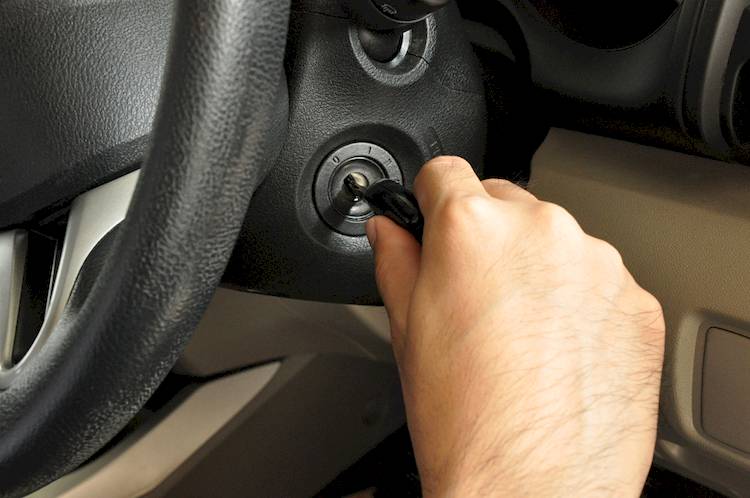
Struggling to start the car may also indicate a bad ignition switch. When you turn the key, the vehicle should respond. If it doesn’t, it could mean power isn’t reaching the necessary components. Key indicators include:
- No sound from the starter motor, meaning it’s not engaging
- The dash lights don’t come on or are very dim
- Multiple key turns before the engine starts
Credit: www.yourmechanic.com
Diagnosing No Power To Fuel Pump
Finding out why your car’s fuel pump isn’t getting power is important. A bad ignition switch could be the problem. Let’s find out how to check this.
Electrical System Inspection
Before you blame the ignition switch, check the whole electrical system. Here are the steps:
- Check the battery voltage.
- Look for blown fuses or tripped circuits.
- Inspect wiring to the fuel pump for damage.
- Ensure the ground connections are secure.
Fuel Pump Relay Testing
Relays are crucial in giving power to the fuel pump.
- Locate the fuel pump relay in the fuse box.
- Swap the relay with another similar one, like the AC relay.
- If the pump works now, your relay was the issue.
Ignition Switch Troubleshooting
If the above don’t fix the issue, the ignition switch might be at fault.
To test the ignition switch:
- Find the ignition switch’s electrical connector.
- Use a multimeter to test for power and signal.
- If results aren’t consistent, consider replacing the ignition switch.
Ignition Switch’s Role In Fuel Delivery
Imagine the ignition switch as the heart of a car’s electrical system, essential for starting the engine and supplying power. A key component in this system is the fuel pump, which requires electricity to operate. The switch’s role? It commands the car to wake up and spring into action, sending power right where it’s needed.
Electrical Pathways Explained
Every turn of the key or push of a button starts a journey of electricity through a labyrinth of wires. This electrical journey’s destination includes the fuel pump, which, without power, starves the engine of fuel.
- Key turned – Sparks the initial charge
- Electrical current – Travels via specific circuits
- Fuel pump – A pit stop for electricity to ensure fuel delivery
Switch’s Impact On Fuel System
A faulty ignition switch throws a wrench into the gears of power transmission. This malfunction can leave the fuel pump powerless, resulting in a silent engine, no matter how hard the key is turned.
| Functional Switch | Defective Switch |
|---|---|
| Power sent to fuel pump | No energy reaches fuel pump |
| Fuel reaches engine | Engine deprived of fuel |

Credit: verticalvisions.com
Repairing A Defective Ignition Switch
A vehicle’s heartbeat depends on the synergy between the fuel system and ignition. If you’re facing a no power situation at your fuel pump, the culprit could be a bad ignition switch. Resolving this issue is crucial. Before we start, remember safety first. Disconnect your battery to avoid any electrical hazards.
Tools Required For Replacement
- Socket set: For unscrewing bolts
- Screwdrivers: To open panels and unfastening screws
- Replacement ignition switch: The main component
- Memory saver: To keep electronic memories alive
- Test light or multimeter: To check connections
- Steering wheel puller: Sometimes required
Step-by-step Ignition Switch Replacement
- Preparation: Position your car to ensure a secure work environment.
- Battery Disconnection: Remove the negative cable from the battery.
- Steering Wheel Access: If needed, use a steering wheel puller.
- Remove Panels: Unscrew and take off the dashboard panels.
- Locating Ignition Switch: Find the switch, usually behind the ignition lock cylinder.
- Disconnect Wiring: Use the multimeter to confirm no power before disconnecting.
- Old Switch Removal: Unscrew and remove the faulty ignition switch.
- Installation of New Switch: Align and connect the new switch.
- Reconnection: Reattach the wiring and ensure it’s secure.
- Reassembly: Replace panels and components in reverse order.
- Battery Reconnection: Reconnect the negative battery cable.
- Test: Start your car to test the new ignition switch.
Replacing a defective ignition switch can restore power to the fuel pump, ensuring smooth starts and uninterrupted journeys. Follow this guide for a safe and efficient replacement process. Always ensure each connection is secure and that every screw is back in its place. Your vehicle’s performance hinges on these small yet critical components.
Preventive Measures And Maintenance Tips
Knowing how to avoid troubles with your vehicle’s ignition switch and fuel pump is crucial. Good car care can prevent many issues. Regular check-ups and understanding when to seek a professional are key parts of keeping your vehicle reliable.
Regular Vehicle Check-ups
Regular maintenance helps spot early signs of wear in your car. This can save you from unexpected breakdowns. Follow your car’s maintenance schedule closely. Here are steps you can take:
- Inspect your ignition system during each service.
- Test the battery and replace it when necessary.
- Look for signs of corrosion on electrical components.
- Ensure connections are tight and secure.
- Listen for unusual sounds from the ignition or fuel pump.
When To Consult A Professional
Some vehicle issues need a skilled mechanic. Do not delay if you notice:
| Issue | Action |
|---|---|
| Car stalling or difficulty starting | Contact a mechanic |
| No noise from the fuel pump with key ON | Seek immediate assistance |
| Intermittent power loss to fuel pump | Professionally test the ignition switch |
| Dash lights flickering or not turning on | Get an electrical diagnostic |
Avoiding big repairs often means acting on small changes in your car’s behavior. Reach out to an expert when you sense ignition or fuel pump issues.
Understanding Fuel System Components
The modern vehicle relies on an intricate fuel system. Proper functionality is vital for a smooth ride. An ignition switch and fuel pump work together to power your car’s journey. Learning the roles each component plays can explain issues under the hood. Let’s delve into this system’s heart.
Fuel Pump Functionality
The fuel pump’s job is simple but crucial.
It moves fuel from the tank to the engine.
Without this function, engines can’t start. Electric pumps are common in today’s cars. They are inside the fuel tank. And they rely on current to work. That current starts with your ignition switch.
Signs Of A Failing Fuel Pump
Be alert to these warnings:
- Struggle to start: Engine takes longer to fire up.
- Uneven power: Car surges or loses power while driving.
- Low mileage: Notice a drop in fuel efficiency?
- Whining noise: A faulty pump might produce a whine.
- Engine stall: This can signal a pump fail.
These signs can’t be ignored. Time to check your fuel system.
If your vehicle shows these signs, consider a thorough inspection. A bad ignition switch could impact the power to the fuel pump.
Frequently Asked Questions Of Can A Bad Ignition Switch Cause No Power To Fuel Pump
Can A Faulty Ignition Switch Cut Fuel Pump Power?
Yes, a faulty ignition switch can interrupt the electrical flow, preventing power from reaching the fuel pump. Consequently, the engine may not start due to lack of fuel.
How Does An Ignition Switch Affect Fuel Delivery?
An ignition switch in good condition allows electricity to activate the fuel pump upon starting the car. If defective, it can inhibit electrical connectivity, halting fuel delivery to the engine.
What Symptoms Indicate A Bad Ignition Switch?
Symptoms of a bad ignition switch include intermittent engine stalling, difficulty starting, no engine noise at start-up, and the absence of dashboard lights.
Are Ignition Switch Issues Diagnosable?
Absolutely, ignition switch issues can be diagnosed through various methods like electrical tests, examining wear and tear, or noticing inconsistent vehicle start-up behavior.
Conclusion
Understanding your vehicle’s intricacies is vital for its longevity and your safety. A faulty ignition switch can indeed interrupt power to the fuel pump, causing starting issues or stalling. Regular maintenance and prompt attention to ignition switch symptoms safeguard against unexpected breakdowns, ensuring a smooth, reliable ride every time.