
Are Toyota Corollas Good In Snow
Are you wondering if your Toyota Corolla can handle snowy roads safely and smoothly? When winter hits and the snow piles up, you want a car that won’t leave you stranded or sliding.
You might have heard mixed opinions about small sedans in snow, so it’s natural to question if a Corolla is up to the challenge. You’ll discover the real strengths and weaknesses of the Toyota Corolla in snowy conditions. By the end, you’ll know exactly what to expect and how to prepare your car for winter driving.
Keep reading to find out if your Corolla is the reliable winter companion you need.
Toyota Corolla And Winter Performance
The Toyota Corolla is a popular choice for drivers in snowy areas. Its winter performance makes it a reliable option during cold months. The car balances safety, control, and comfort on icy roads. Understanding its features helps in knowing how well it handles snow.
Key Features Affecting Snow Driving
The Corolla has a front-wheel-drive layout. This provides better grip on slippery surfaces than rear-wheel drive. Its ground clearance is moderate, which helps avoid getting stuck in deep snow. The cabin keeps warm with an effective heater, important for winter comfort.
Engine And Transmission Options
Corolla offers a range of engines, including fuel-efficient four-cylinder models. The smooth automatic transmission helps maintain steady speed on slippery roads. Some models come with a manual transmission, giving drivers more control. The engine power is enough to handle gentle snow-covered roads.
Traction And Stability Control
Traction control helps prevent wheel spin on icy patches. Stability control keeps the car steady during sudden turns or slippery conditions. These systems work together to improve safety. They help drivers maintain control, reducing the risk of accidents in snow.

Credit: www.autoweb.com
Tire Considerations For Snow
Tires play a big role in how well a Toyota Corolla drives in snow. Choosing the right tires helps the car stay safe and steady. Snow and ice need special tire features to keep grip on slippery roads.
Understanding tire options will help you pick what fits your needs best. This section breaks down the types of tires and their effects on driving in snow.
All-season Vs Winter Tires
All-season tires work okay in light snow and cold weather. They offer a balance for year-round use. But they lose grip on deep snow and ice.
Winter tires have special rubber that stays soft in cold. They have deeper treads to dig into snow and ice. This gives better control and shorter stopping distance.
Recommended Tire Types For Corolla
For heavy snow, winter tires are best for the Corolla. Look for tires marked with the mountain and snowflake symbol. They meet strict snow traction rules.
All-season tires can work in mild winter areas. Check the tread condition and replace worn tires before snow hits. Good tire pressure also helps performance.
Impact Of Tire Choice On Safety
Tire type affects how the Corolla handles slippery roads. Winter tires reduce the risk of slipping and skidding. They give better braking power on ice.
All-season tires may lead to longer stops and less control in snow. Driving with the right tires lowers chances of accidents. Proper tires increase driver confidence in winter.
Handling And Safety On Snowy Roads
Driving on snowy roads demands careful handling and strong safety features. Toyota Corollas offer a balance of control and protection in these conditions. Their design helps maintain traction and stability, giving drivers more confidence on slippery surfaces.
Braking Performance In Snow
Toyota Corollas come with anti-lock braking systems (ABS). ABS stops the wheels from locking during hard braking. This helps the car slow down safely on icy roads. The Corolla’s brakes respond well, reducing the chance of skidding. It allows drivers to stop more smoothly in snow.
Cornering And Stability
The Corolla’s suspension system supports steady cornering on snowy streets. It keeps the tires gripping the road better. Stability control helps prevent sliding by adjusting power and brakes automatically. This means the car stays balanced through turns and curves. Drivers feel more secure even on slick roads.
Driver Assistance Technologies
Modern Toyota Corollas include safety features like traction control and electronic stability control. These systems detect wheel slip and adjust power to keep the car on track. Some models offer advanced tech like lane departure alerts and automatic emergency braking. These tools help reduce risks and improve safety on snow-covered roads.

Credit: www.reddit.com
Comparing Corolla To Other Compact Cars
When comparing the Toyota Corolla to other compact cars, its performance in snow is an important factor. Many drivers want to know if the Corolla can handle winter roads safely. Compact cars vary in design, weight, and traction features. These differences affect how well they drive in snowy conditions. Understanding these factors helps decide if the Corolla suits winter driving needs.
Snow Performance Benchmarks
The Corolla often scores well in basic snow tests. It has front-wheel drive, which helps with grip on slippery roads. Some rivals offer all-wheel drive, improving control in deep snow. The Corolla’s ground clearance is average, so it can struggle in heavy snow. Tires also matter. Stock tires on most compact cars, including the Corolla, are not designed for snow. Switching to winter tires greatly improves performance.
Advantages And Disadvantages
The Corolla is reliable and fuel-efficient in cold weather. It starts easily in low temperatures. Its simple design means fewer problems during winter. On the downside, the lack of all-wheel drive limits traction in tough conditions. Some compact cars have better snow handling due to AWD or higher clearance. The Corolla’s braking system works well on ice, but cautious driving is still needed. Overall, it balances cost and winter capability.
Owner Experiences And Reviews
Many Corolla owners report safe winter driving with proper preparation. They praise its steady handling on icy roads. Some mention needing extra care on steep, snowy hills. Complaints often focus on limited traction in deep snow. Switching to winter tires is a common tip among owners. Reviews from snowy regions highlight the Corolla’s durability in cold. Owners value its low maintenance and dependable start-up in frost.
Tips For Driving Toyota Corolla In Snow
Driving a Toyota Corolla in snow can be safe with the right approach. Small cars like the Corolla need extra care during winter. Simple tips help you stay in control and protect your vehicle. Follow these easy steps to drive smoothly on snowy roads.
Preparing Your Car For Winter
Check your tires. Use winter tires or all-season tires with good tread. Keep your gas tank at least half full to avoid fuel line freeze. Clear snow and ice from all windows, mirrors, and lights before driving. Use windshield washer fluid that works in low temperatures. Make sure your battery is strong; cold weather weakens it.
Driving Techniques For Snow Conditions
Drive slowly and gently. Avoid sudden moves or sharp turns. Increase your following distance to give more stopping time. Use low gears to keep better control on hills. Brake early and softly to prevent skidding. If your car starts to skid, steer gently in the direction you want to go. Avoid using cruise control in snow.
Maintenance Tips For Cold Weather
Check your oil and use the right type for winter. Test your brakes to ensure they work well on slippery roads. Inspect your lights regularly for visibility. Replace worn wiper blades to keep your windshield clear. Keep an emergency kit in your car with blankets, a flashlight, and basic tools. Regularly check your tire pressure, as it drops in cold weather.
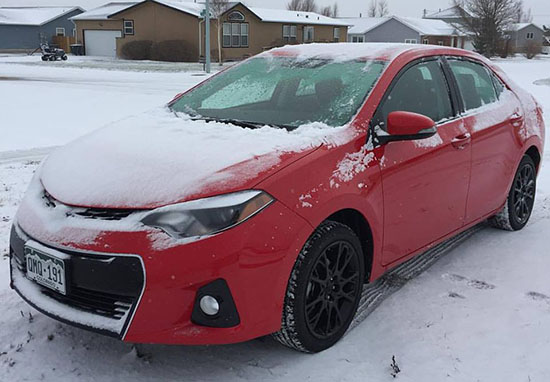
Credit: tundraheadquarters.com
Frequently Asked Questions
Are Toyota Corollas Reliable In Snowy Conditions?
Toyota Corollas offer decent reliability in snow due to their front-wheel-drive system. They handle light to moderate snow well but may struggle in deep snow without proper tires or additional traction aids.
Does Toyota Corolla Have Good Traction Control For Snow?
Yes, Toyota Corollas come equipped with traction control systems. This feature helps maintain grip on slippery roads, improving safety and control during snowy weather.
Should I Use Winter Tires On A Toyota Corolla In Snow?
Absolutely. Winter tires significantly enhance a Corolla’s performance on snow and ice. They provide better traction, braking, and stability compared to all-season tires.
Can Toyota Corolla Handle Heavy Snowstorms Safely?
Toyota Corollas can manage light to moderate snow but may face challenges in heavy snowstorms. For severe conditions, an all-wheel-drive vehicle or additional snow equipment is recommended.
Conclusion
Toyota Corollas handle snow fairly well with the right tires. Their front-wheel drive helps maintain control on slippery roads. Still, deep snow or icy conditions can be challenging. Drivers should always drive slowly and carefully in winter weather. Adding winter tires greatly improves safety and performance.
Regular maintenance keeps the Corolla ready for cold seasons. Overall, Toyota Corollas offer decent snow driving for most everyday needs. Just stay cautious and prepared to ensure safe winter trips.


