

Are Toyota 4Runners Awd
Are you wondering if Toyota 4Runners come with all-wheel drive (AWD)? If you’re looking for a reliable SUV that can handle tough roads and unpredictable weather, knowing the right drivetrain is key.
You want a vehicle that gives you control, safety, and confidence every time you hit the road. You’ll discover exactly how Toyota 4Runners are built to meet those needs—and why their drivetrain options matter to you. Keep reading to find out if a 4Runner’s AWD system is the perfect fit for your adventures.
Toyota 4runner Drivetrain Options
The Toyota 4Runner offers strong and reliable drivetrains. These systems help the vehicle perform well on roads and rough trails. Toyota provides different drivetrain choices to suit various driving needs. Each option gives specific advantages in control and power. Understanding these options helps you decide the best fit for your lifestyle.
Rear-wheel Drive (rwd)
The basic drivetrain in the 4Runner is rear-wheel drive. Power goes only to the rear wheels. This setup helps with good fuel economy and smooth highway driving. It is simple and lighter than other drivetrains. RWD works well for everyday driving and light loads.
Part-time Four-wheel Drive (4wd)
Many 4Runner models come with part-time four-wheel drive. Drivers can switch between two-wheel and four-wheel drive modes. This option is useful for rough roads or slippery surfaces. It gives extra traction when needed. Part-time 4WD improves safety and control off-road.
Full-time Four-wheel Drive (4wd)
Some 4Runner versions have full-time four-wheel drive. Power goes to all wheels all the time. This system provides better grip on all surfaces. It is great for wet or icy conditions. Full-time 4WD offers steady performance without driver input.
Four-wheel Drive With Locking Rear Differential
Advanced 4Runner trims include a locking rear differential. This feature locks the rear wheels together. It helps when one wheel loses traction. Locking the differential gives better control on tough terrain. It enhances the off-road capability of the 4Runner.
Differences Between Awd And 4wd
The terms AWD and 4WD often confuse drivers. Both systems send power to all wheels. Yet, they work differently and suit different needs. Understanding these differences helps choose the right vehicle.
AWD stands for All-Wheel Drive. It sends power to all four wheels automatically. The system adjusts power between front and rear wheels. This happens without driver input. AWD works well on wet or slippery roads.
4WD means Four-Wheel Drive. It often requires manual activation. The driver switches between 2WD and 4WD modes. 4WD is strong and helps in rough off-road conditions.
How Awd Works
AWD uses sensors to monitor wheel traction. It sends power to wheels with better grip. This helps keep the vehicle stable. AWD is always on or works automatically. It suits daily driving and mild off-road use.
How 4wd Works
4WD allows driver control of power distribution. It locks front and rear axles together. This provides equal power to all wheels. 4WD is best for tough terrains like mud or snow. It is often found in trucks and SUVs built for off-road.
Key Differences In Usage
AWD is best for city and highway driving. It improves traction in rain, snow, and light off-road. 4WD is better for heavy off-road driving. It handles rocks, deep mud, and steep hills. 4WD systems usually consume more fuel than AWD.
Maintenance And Cost
AWD systems need less maintenance. They have fewer parts to engage manually. 4WD systems require regular checks of transfer cases and differentials. 4WD vehicles tend to be more expensive. AWD offers a balance of cost and convenience.
4runner Models With Awd
The Toyota 4Runner is well-known for its strong off-road ability and reliability. Many models of the 4Runner come with all-wheel drive (AWD). This feature helps drivers get better control on rough and slippery roads. AWD in the 4Runner adds safety and confidence to every journey.
Different 4Runner models offer AWD in various ways. Some have full-time AWD, while others provide it as an option. Understanding which models come with AWD helps buyers choose the right vehicle for their needs.
Base 4runner Sr5 With Awd
The SR5 model is the starting point for many buyers. It offers an AWD option that enhances traction on tough terrain. This model balances everyday use with light off-road capability. It suits drivers who want a reliable SUV for city and occasional rough roads.
4runner Trd Off-road Models
The TRD Off-Road versions focus more on rugged terrain. These models come standard with advanced AWD systems. They include features like crawl control and multi-terrain select. The AWD system here is designed for serious off-road adventures.
4runner Limited Awd
The Limited model combines luxury with AWD performance. It offers a smoother ride on highways and control on slippery roads. This model uses a full-time AWD system for better handling. It fits those wanting comfort and all-weather capability.
4runner Trd Pro Awd
The TRD Pro is the most capable off-road 4Runner. It comes with a specialized AWD system for extreme conditions. This model includes upgraded suspension and skid plates. It is made for drivers who seek tough trails and reliable traction.
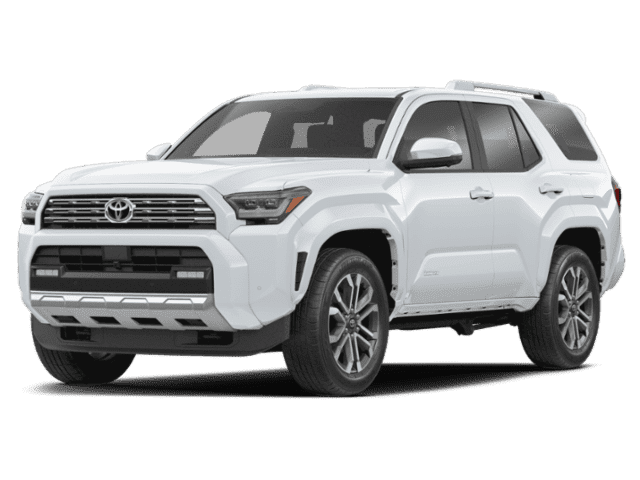
Credit: www.burnsvilletoyota.com
4runner Models With 4wd
The Toyota 4Runner offers several models equipped with 4WD. These models provide better traction and control on rough roads. The 4WD system helps the vehicle handle mud, snow, and uneven terrain. Many drivers choose these models for off-road adventures and tough weather.
Each 4WD 4Runner model has unique features. Some focus on comfort, while others emphasize rugged capability. Understanding these models helps pick the right 4Runner for your needs.
Sr5 4wd
The SR5 4WD is a popular choice for daily driving and light off-road use. It comes with a part-time 4WD system. This model offers good fuel efficiency and comfortable seating. It suits drivers who want some off-road ability without extra cost.
Trail Special Edition 4wd
The Trail Special Edition 4WD is made for tougher trails. It includes upgrades like off-road tires and special suspension. This model has enhanced skid plates for underbody protection. It performs well on rocky and uneven surfaces.
Trd Off-road 4wd
The TRD Off-Road 4WD focuses on serious off-road performance. It features a locking rear differential and crawl control system. These help maintain traction in challenging conditions. This model also has Bilstein shocks for smoother rides on rough ground.
Trd Pro 4wd
The TRD Pro 4WD is the top off-road model. It includes all TRD Off-Road features plus extra off-road gear. It has unique wheels, upgraded suspension, and special styling. This model is built for the toughest terrains and long off-road trips.
Off-road Capabilities Of 4runner
The Toyota 4Runner is well known for its strong off-road abilities. It handles rough paths and tough conditions with ease. This SUV is built to take on trails, mud, rocks, and sand. Many drivers trust the 4Runner for outdoor adventures and work sites.
Its design focuses on durability and traction. The 4Runner can climb steep hills and cross streams safely. Off-road features help keep the vehicle steady and secure on uneven ground. This makes it a popular choice for off-road lovers.
4runner’s Four-wheel Drive System
The 4Runner uses a four-wheel drive system for better grip. Power goes to all four wheels, not just two. This improves control on slippery or loose surfaces. Drivers can switch between two-wheel and four-wheel drive modes. This flexibility saves fuel on normal roads and boosts traction off-road.
High Ground Clearance
Ground clearance is the space between the road and the vehicle’s underbody. The 4Runner has high ground clearance. It allows the SUV to pass over rocks and bumps without damage. This feature helps avoid getting stuck or scraping the bottom on rough terrain.
Advanced Suspension System
The suspension system absorbs shocks from uneven surfaces. The 4Runner’s suspension is tough and flexible. It keeps the ride smooth even on rocky paths. This system supports the vehicle’s weight while maintaining wheel contact with the ground.
Durable Body And Frame
The 4Runner has a body-on-frame construction. This means the body is mounted on a strong frame. This design adds strength and durability. It helps the SUV handle heavy loads and rough trails. The frame also protects passengers during impacts.
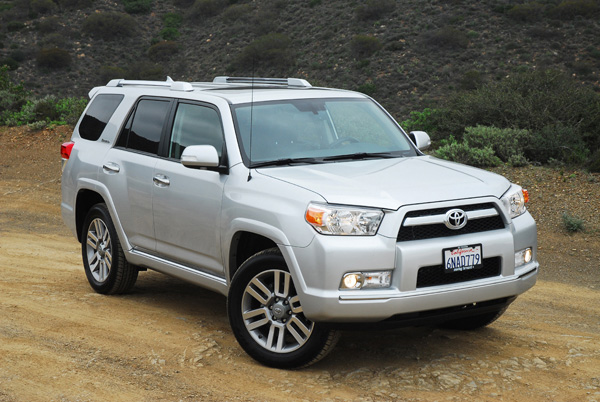
Credit: www.automotiveaddicts.com
Benefits Of 4wd For 4runner Owners
The Toyota 4Runner with 4WD offers many advantages. It improves control and safety on tough roads.
4WD helps drivers handle slippery surfaces like snow, mud, and ice. It sends power to all four wheels, giving better grip.
This makes driving more stable and reduces the chance of slipping or getting stuck.
Improved Traction On Rough Terrain
4WD provides extra traction on dirt, rocks, and uneven paths. It lets 4Runner owners explore off-road trails with confidence.
The system adjusts power to wheels with the most grip. This prevents slipping and helps climb steep hills.
Enhanced Safety In Bad Weather
In rain or snow, 4WD keeps the vehicle stable. It helps maintain control during sudden turns or stops.
4WD reduces the risk of skidding on wet or icy roads. This protects the driver and passengers.
Better Towing And Hauling Capability
4WD boosts the 4Runner’s strength for towing trailers or carrying heavy loads. Power goes to all wheels for balance.
This means safer and easier towing on rough or uneven surfaces without losing control.
Increased Vehicle Durability
Using 4WD spreads the engine’s power evenly. This lowers wear on tires and drivetrain parts.
It helps the 4Runner last longer, especially under tough driving conditions.
When Awd Might Be Preferable
Choosing the right drivetrain for a Toyota 4Runner depends on how and where you drive. All-wheel drive (AWD) can offer better control and safety in certain conditions. Knowing when AWD might be better helps in making the right choice.
Driving On Wet Or Slippery Roads
AWD improves traction on wet, icy, or snowy roads. It helps keep the vehicle stable and reduces slipping. For drivers in rainy or snowy areas, AWD adds confidence and safety.
Light Off-road Adventures
AWD can handle dirt roads, gravel, and mild trails. It offers better grip than two-wheel drive on uneven surfaces. For occasional off-road trips, AWD is a practical choice.
City Driving With Changing Conditions
AWD adjusts power to wheels with the most grip. This helps in stop-and-go traffic on slick streets. It also improves handling in sudden weather changes.
Improved Handling On Curves
AWD provides better balance on winding roads. It distributes power to maintain control through turns. This feature makes driving safer and smoother.
Resale Value Considerations
Vehicles with AWD often have higher resale value. Buyers in certain regions prefer AWD for its added safety. This can make a difference when selling the 4Runner later.

Credit: www.oxmoorhyundai.com
How To Identify Your 4runner’s Drivetrain
Knowing your Toyota 4Runner’s drivetrain helps you understand its capabilities. The drivetrain affects traction, handling, and off-road performance. It also influences maintenance and fuel efficiency.
This guide explains simple ways to find out if your 4Runner has all-wheel drive (AWD) or four-wheel drive (4WD). Checking this helps you use your vehicle better and plan trips safely.
Check The Owner’s Manual
The easiest way is to look in the owner’s manual. It usually lists the drivetrain type clearly. Manuals also explain how the system works and when to use it.
Look For Badges Or Labels
Some 4Runners have badges on the rear or sides. These badges often say “4WD” or “AWD.” Check near the tailgate or front doors for these signs.
Inspect The Gear Shifter
The gear shifter can give clues. A 4WD 4Runner often has a separate lever or switch for low-range gears. AWD models usually do not have this feature.
Check The Vehicle Identification Number (vin)
The VIN contains detailed vehicle information. You can decode it online or at a dealer. It will tell you the exact drivetrain type installed.
Look Under The Vehicle
Look under the 4Runner for a front differential. A front differential usually means 4WD. AWD systems may have different setups without a visible front differential.
Maintenance Tips For Awd And 4wd Systems
Maintaining the AWD and 4WD systems in a Toyota 4Runner is essential for smooth driving. These systems help improve traction on rough or slippery roads. Proper care extends their life and keeps the vehicle safe.
Regular checks and timely service prevent costly repairs. Understanding key maintenance tasks can save time and money.
Check Fluid Levels Regularly
AWD and 4WD systems use special fluids for smooth operation. Check transfer case and differential fluid often. Low or dirty fluids cause damage over time. Change fluids as the owner’s manual suggests.
Inspect Tires For Even Wear
Tires affect how AWD and 4WD perform. Uneven tire wear can harm the system. Rotate tires regularly to keep them balanced. Use tires with the same size and type on all wheels.
Listen For Unusual Noises
Strange sounds from the drivetrain may signal problems. Grinding or clicking noises need immediate attention. Early inspection avoids bigger issues later.
Test The System Periodically
Drive in different conditions to test AWD and 4WD. Ensure the system engages smoothly without hesitation. Report any slipping or failure to a mechanic quickly.
Follow The Manufacturer’s Service Schedule
Stick to Toyota’s recommended maintenance plan. It includes specific checks for AWD and 4WD. This keeps the system reliable and efficient for years.
Frequently Asked Questions
Are Toyota 4runners Equipped With Awd?
Toyota 4Runners primarily come with a part-time 4WD system, not AWD. Some models offer full-time 4WD options, but AWD is generally not standard.
How Does 4wd Differ From Awd In Toyota 4runner?
4WD in Toyota 4Runner is driver-activated for off-road use. AWD is automatic and designed for on-road traction, which 4Runner lacks as a standard feature.
Can Toyota 4runner Handle Slippery Roads Without Awd?
Yes, Toyota 4Runner’s 4WD system improves traction on slippery roads. It is effective but requires manual activation unlike AWD systems.
Is Awd Better Than 4wd In Toyota 4runner?
AWD offers constant traction and is best for on-road driving. 4WD in Toyota 4Runner excels off-road and in tough terrains but needs manual control.
Conclusion
Toyota 4Runners offer options with both AWD and RWD. AWD models provide better grip on slippery roads. This makes driving safer in rain or snow. Not all 4Runners come with AWD, so check before buying. Their rugged design suits off-road adventures well.
Many drivers appreciate the balance of power and control. Choosing the right drivetrain depends on your needs. Overall, Toyota 4Runners remain popular for their reliability and performance.


