
Can a Bad Oil Pressure Sensor Cause an Oil Leak
A bad oil pressure sensor itself does not cause an oil leak. Oil leaks are typically due to seal or gasket failures.
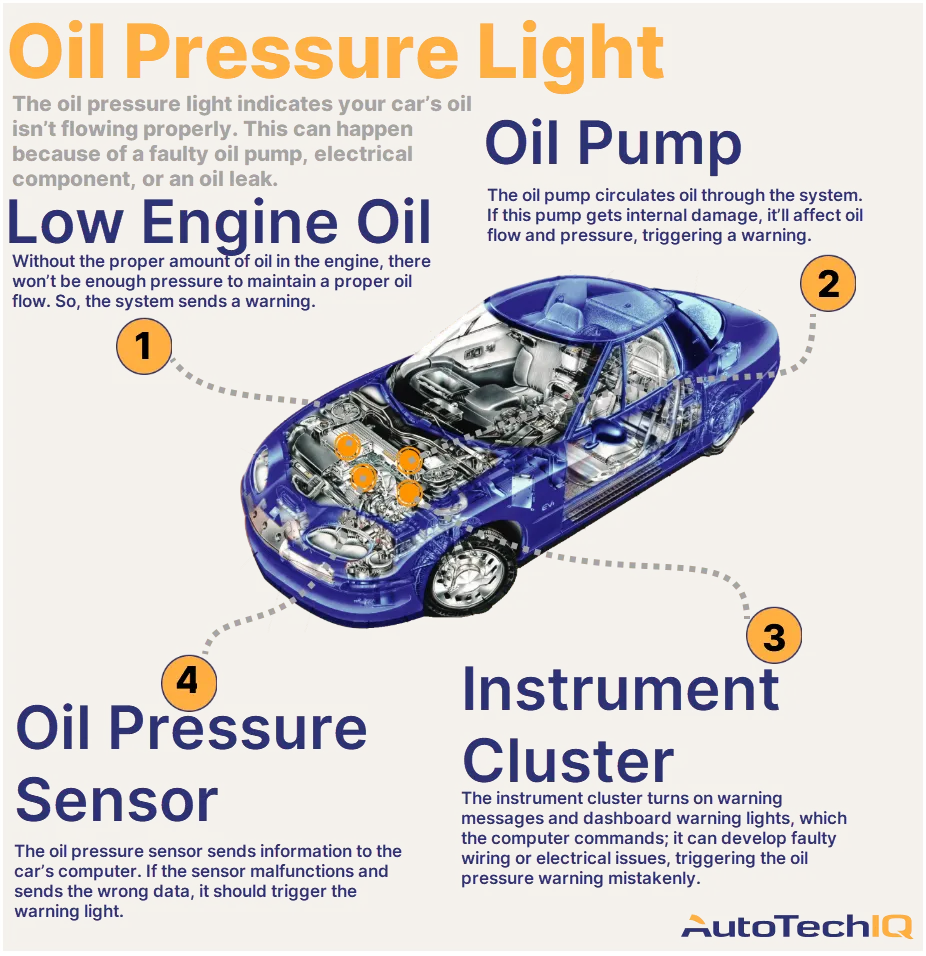
Understanding the role of an oil pressure sensor is crucial for maintaining your vehicle’s engine. This small but vital component monitors the oil pressure, ensuring that your car’s moving parts are properly lubricated. When the sensor fails, it can lead to false readings which may either cause unnecessary alarms or prevent a warning when oil levels are critically low.
While a faulty sensor can’t produce a leak, it can prevent early detection of one, potentially leading to more significant engine issues. Regular maintenance checks can help to identify a failing oil pressure sensor and preserve engine health. Accurate sensor readings are essential to avoid engine damage and ensure smooth operation.
Symptoms Of A Faulty Oil Pressure Sensor
The oil pressure sensor acts as the watchful eye inside your vehicle. This sensor ensures your engine receives the right amount of oil at the right pressure. However, if it starts failing, various symptoms can arise. Recognizing these symptoms can save you from potentially costly repairs.
Inaccurate Oil Pressure Reading
One sign of a failing oil pressure sensor is an inaccurate oil pressure reading. This could mean your dashboard displays a low oil pressure warning, even if the oil level is sufficient. Conversely, it might show high oil pressure when the actual level is low. This misleading information can lead to incorrect actions and engine damage.
Check Engine Light Activation
The check engine light could illuminate on your dashboard if the oil pressure sensor isn’t working properly. As part of the vehicle’s diagnostic systems, the check engine light serves as an alert that something is off with the engine’s operations, possibly linked to the oil pressure system.
Erratic Oil Pressure Gauge
Lastly, an oil pressure gauge acting erratically could be a tell-tale sign of a defective sensor. If the oil pressure gauge frequently fluctuates or behaves unpredictably, this inconsistency might indicate the sensor cannot accurately read oil pressure levels, hinting at potential failure.
Oil Pressure Sensor Basics
An essential component in maintaining your car’s health is the oil pressure sensor. This sensor plays a pivotal role in monitoring your engine’s well-being. It alerts you if oil pressure falls below a safe level.
Function And Importance
The oil pressure sensor acts as your engine’s watchdog. It ensures that oil is efficiently circulating through the engine. Proper oil circulation is crucial for engine lubrication and cooling.
- Warns of low oil pressure to prevent engine damage.
- Helps to maintain optimal engine performance.
- Supports the longevity of engine components.
Common Locations And Types
The oil pressure sensor is typically found in specific locations, depending on your vehicle. It’s generally mounted near the oil filter or within the engine block.
| Type | Characteristics | Common Location |
|---|---|---|
| Switch Type | Simple on/off signal | Near the oil filter |
| Transducer Type | Provides variable voltage | Engine block |
Each type of oil pressure sensor serves the same fundamental purpose – to keep your engine safe from oil pressure issues.
Oil Leak Causes And Oil Pressure Sensor Role
An elusive oil leak in your vehicle can be a headache, not only staining your driveway but also potentially leading to serious engine damage. It’s crucial to understand what might cause these frustrating leaks and if your oil pressure sensor could be a culprit. Let’s explore the common instigators of oil leaks and the role that an oil pressure sensor plays in this puzzling scenario.
Typical Causes Of Oil Leaks
Oil leaks can stem from several issues. The most common culprits include:
- Worn seals or gaskets: Components degrade over time.
- Oil pan damage: Rough roads can be harsh.
- Corroded oil cooler lines: These can slowly deteriorate.
- Incorrect oil filter installation: Always ensure proper fitting.
- Overfilled crankcase: Stick to the recommended levels.
Can A Sensor Lead To A Leak?
The oil pressure sensor itself does not directly cause oil to leak. However, if this component is faulty, it can lead to scenarios contributing to a leak. A defective sensor may:
- Give inaccurate readings.
- Lead to overfilling or insufficient oil.
- Cause undue pressure on engine components.
In rare cases, the sensor may have a poor seal or be cracked, and oil could leak from the sensor itself. Always have your vehicle inspected by a professional if you suspect an oil pressure sensor issue.
Diagnosing Oil Pressure Sensor Issues
An essential aspect of vehicle maintenance is staying on top of engine issues. One key component often scrutinized is the oil pressure sensor. This clever gadget warns when oil pressure falls below or rises above recommended levels. Nevertheless, when this sensor malfunctions, it can send false alarms or no warning at all, leading to severe engine damage. Proper diagnosis of oil pressure sensor issues is crucial for the health of your vehicle.
Visual Inspection For Damage
Detecting problems with the oil pressure sensor starts with a thorough visual check. Look for signs that suggest the sensor is the source of the oil leak. Here are steps to guide you:
- Locate the oil pressure sensor on your engine block.
- Check for oil residue around the sensor’s base.
- Inspect the sensor for any cracks or physical damage.
- Ensure the thread of the sensor is not stripped.
- Examine the connector for corrosion or wear.
If you notice any oil traces or damage, chances are high that the sensor requires replacement to stop any oil leaks and to restore proper pressure monitoring.
Electrical Diagnosis With Multimeter
Beyond the physical, a sensor’s function can falter due to electrical issues. A multimeter becomes a valuable tool here. To diagnose electrical faults effectively:
- Disconnect the sensor’s connector.
- Place the multimeter’s probes on the sensor’s terminals.
- Set the multimeter to Ohms (Ω) to test resistance.
- Note the reading and compare it with the standard value for your specific sensor.
Deviation from the norm hints at an electrical issue within the sensor. This may not cause a leak directly, but it can lead to erroneous readings and a false sense of engine health. Addressing these issues promptly ensures your sensor relays accurate information, thus safeguarding your engine.
Addressing The Root Problem
Addressing the Root Problem involves more than just spotting the telltale signs of an oil leak. It’s about understanding the role of the oil pressure sensor in your vehicle’s health. This sensor can influence the way your car interprets and responds to oil flow. If this sensor goes kaput, it might not directly cause a leak, but it sure can mislead your system into thinking there’s a problem when there isn’t one. Let’s dive deep into the solutions.
Replacing A Malfunctioning Sensor
Finding that the sensor is the villain in your oil pressure story? Act fast. A sensor that’s gone rogue can wreak havoc on your engine’s performance. The replacement process is straightforward—a mechanic can do it, or you can tackle it as a DIY project with the right tools. It’s about locating the sensor, removing it with precision, and securing a new one in place. Post replacement, you’ll notice your engine singing a happier tune.
Fixing Ancillary Oil System Issues
Alongside the sensor swap, check other oil system elements. These might include:
- Gaskets and seals: These ensure oil stays inside the engine.
- Oil filter: A clogged filter can increase pressure and lead to leaks.
- Oil lines and hoses: These carry the oil around the engine.
Let’s assess each part meticulously. A seal out of line or a hose past its prime can cause as much trouble as a sensor gone haywire. Replacement or repair of these components can bring back the oil system’s integrity.
Preventative Measures And Maintenance
We all want a smooth drive, but sometimes things go awry. Maintenance is key in preventing car troubles, including pesky oil leaks that may stem from a faulty oil pressure sensor. Keeping tabs on the condition of your car’s components is crucial to avoid unwanted surprises. So, let’s dive into some proactive measures you can take to ensure your vehicle stays in top shape.
Regular Vehicle Check-ups
Every car needs love and care. Think of regular check-ups as health assessments for your vehicle. Mechanics scrutinize everything under the hood during these sessions. They check oil levels, assess the condition of your oil pressure sensor, and look for potential leaks. It’s all about catching issues early. Here’s a handy list to follow:
- Oil Level: Ensure it’s at the recommended mark.
- Oil Quality: Look for any discolouration or particles.
- Sensor Inspection: Keep an eye out for wear and tear.
- Hoses and Gaskets: Look for cracks or wear.
Consistent check-ups can flag potential issues before they get worse. Mark your calendar for at least twice a year to visit your mechanic.
Understanding When To Replace Sensors
Oil pressure sensors don’t last forever. Knowing when to replace them can save you from oil leaks and engine damage. Sensors send vital data to your car’s computer. If the readings are off, it’s time for a change. Keep these points in mind:
| Signs of a Failing Sensor | Action to Take |
|---|---|
| Warning lights on dashboard | Book a service appointment |
| Inaccurate oil pressure readings | Consider sensor replacement |
| Oil leaks at sensor site | Immediate inspection needed |
Tip: Refer to your owner’s manual for specific sensor lifespan. It’s usually a straightforward fix but essential for preventing oil leaks and protecting your car’s engine.
Credit: www.autotechiq.com
Frequently Asked Questions On Can A Bad Oil Pressure Sensor Cause An Oil Leak
Can An Oil Pressure Sensor Lead To Leaks?
An oil pressure sensor itself typically doesn’t cause oil leaks. However, if it has a damaged seal or is improperly installed, oil can leak from around the sensor.
How Does A Bad Oil Pressure Sensor Affect Your Engine?
A faulty oil pressure sensor can give inaccurate readings, leading to incorrect oil level indications or warnings. This misreading may result in insufficient lubrication and potential engine damage due to either overfilling or running low on oil.
What Are The Signs Of A Failing Oil Pressure Sensor?
Signs of a failing oil pressure sensor include the oil pressure warning light turning on, erratic oil pressure readings on the gauge, and unusual engine noises. In some cases, the Check Engine light may also activate.
Could A Bad Oil Pressure Sensor Trigger Dashboard Warning Lights?
Yes, a malfunctioning oil pressure sensor can trigger the oil pressure warning light or the Check Engine light on your dashboard, alerting you to a potential issue with your vehicle’s oil system.
Conclusion
Wrapping up, it’s clear that while a bad oil pressure sensor doesn’t directly cause leaks, it can mislead you about the state of your oil health. Staying alert to oil system warnings is crucial. Regular maintenance remains the best defense against oil leaks and engine trouble.
Remember, vigilance and timely intervention are your allies in vehicle upkeep.