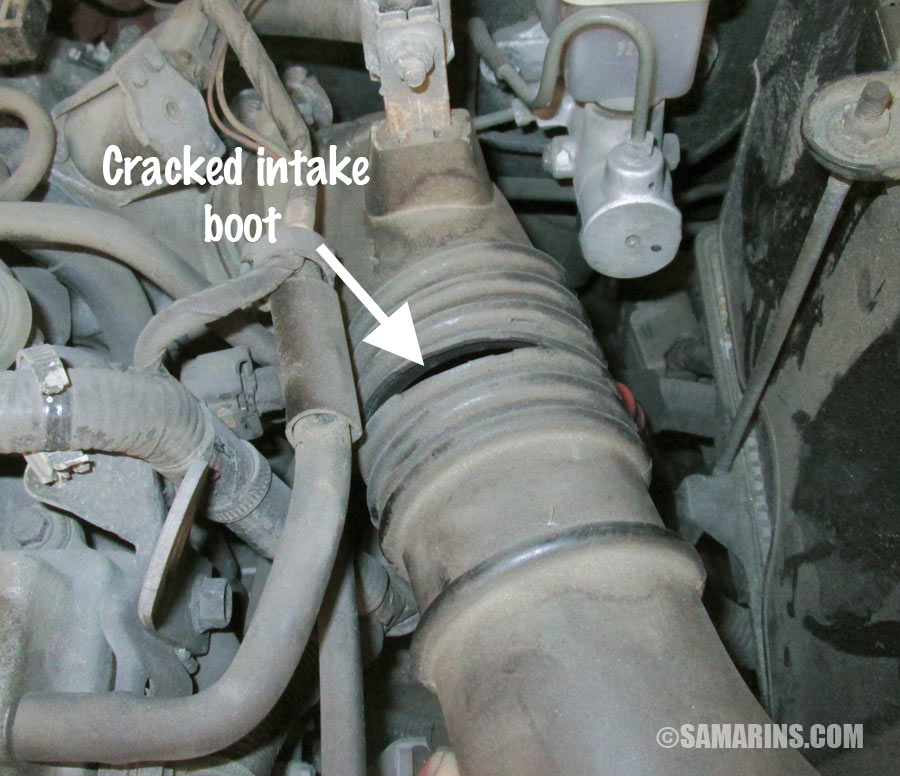
Can a Bad Egr Valve Cause a Vacuum Leak
Yes, a bad EGR valve can cause a vacuum leak. This malfunction disrupts the engine’s air-fuel ratio, affecting the performance.
Understanding the role of the Exhaust Gas Recirculation (EGR) valve is crucial for maintaining your vehicle’s health and performance. The EGR valve, a component designed to reduce emissions, recirculates a portion of an engine’s exhaust gas back to the engine cylinders.
This process lowers the combustion temperature, which in turn reduces the formation of harmful nitrogen oxides. When an EGR valve malfunctions, it can create a vacuum leak, leading to a range of engine issues, including rough idling, increased fuel consumption, and diminished acceleration. Proper maintenance of the EGR valve is essential to ensure that your vehicle runs smoothly while minimizing its environmental impact. Vehicle owners should stay alert for signs of an EGR valve failure and address any issues promptly to preserve engine function and efficiency.
Introduction To Egr Valve Functionality
The Exhaust Gas Recirculation (EGR) valve plays a critical role in your vehicle. It helps reduce pollutants and improve efficiency. Understanding the EGR valve’s function is key to maintaining your car’s health and performance.
Purpose Of The Egr Valve In Vehicle Emission Control
EGR valves reduce nitrogen oxide emissions. They do this by recirculating a portion of the exhaust gases back into the engine’s combustion chamber. This process lowers combustion temperatures and reduces harmful emissions. It’s pivotal for meeting emission standards and protecting the environment.
Basics Of Egr Valve Operation And Components
- Main components include a valve, actuator, and sensors.
- The actuator, controlled by the Engine Control Unit (ECU), opens or closes the valve.
- Sensors monitor exhaust gases and provide feedback to the ECU.
When functioning properly, the EGR system contributes to optimal engine performance and an efficient fuel economy. A vacuum leak in the EGR valve can disrupt this balance, potentially causing performance issues.
Symptoms Of A Faulty Egr Valve
A Faulty EGR (Exhaust Gas Recirculation) Valve can cause more than just emissions problems. It may lead to a vacuum leak. This leak disrupts engine performance. Recognizing the symptoms early could save your engine from damage. Below are tell-tale signs of a bad EGR valve.
Rough Idling And Stalling Issues
Rough idling seems like your car has a rough cough. The engine shakes and makes irregular sounds. Stalling might occur when you stop at a light. This happens because the EGR valve could be stuck open. If so, it lets uncontrolled exhaust gases into the intake manifold.
Decreased Engine Performance
A drop in engine power means the car won’t accelerate like it used to. Climbing hills or overtaking becomes tough. The faulty valve may not recirculate exhaust gases properly. This affects the fuel and air mix going into the engine.
Unexpected Fuel Consumption Patterns
Have you noticed more trips to the gas station? A bad EGR valve might cause this. It can change the fuel-to-air ratio. This makes your engine use more fuel. Look at your mileage. Big changes mean something is wrong.
Vacuum Leaks: Causes And Effects
Vacuum leaks occur when air enters the engine through a break or weak point in the vacuum hoses or gaskets. This unintended air disrupts the air-fuel balance. A faulty EGR valve can indeed be a culprit, causing leaks that affect how your car drives. The effects reach far, from erratic idling to increased emissions.
How Vacuum Leaks Impact Engine Performance
The engine relies on a precise mixture of air and fuel to run smoothly. Vacuum leaks introduce extra air, throwing this balance off kilter. This can lead to:
- Decreased fuel efficiency, as the engine compensates for the lean mixture
- Rough idling or stalling, because of unpredictable air flow
- Engine misfires, as combustion becomes irregular
- Increased emissions and potential failure of emissions tests
Identifying Common Sources Of Vacuum Leaks
Spotting the source of a vacuum leak requires a keen eye. Start by checking:
- The EGR valve for damage or stuck positions
- Vacuum hoses for cracks or loose connections
- Gaskets and seals for signs of wear or breakage
Use a smoke machine to detect leaks you can’t see. Listen for a hissing sound — a telltale sign of escaping air.
Credit: www.stoneacre.co.uk
Linking Egr Valve Failure To Vacuum Leaks
The EGR valve, or Exhaust Gas Recirculation valve, plays a vital role in your car’s engine efficiency and health. It directs a portion of exhaust gases back into the engine’s intake system. This process lowers combustion temperatures and reduces nitrogen oxide emissions. But, what happens when this crucial component fails? One potential issue is a vacuum leak. Let’s explore how this can happen.
Can A Compromised Egr Valve Lead To A Vacuum Leak?
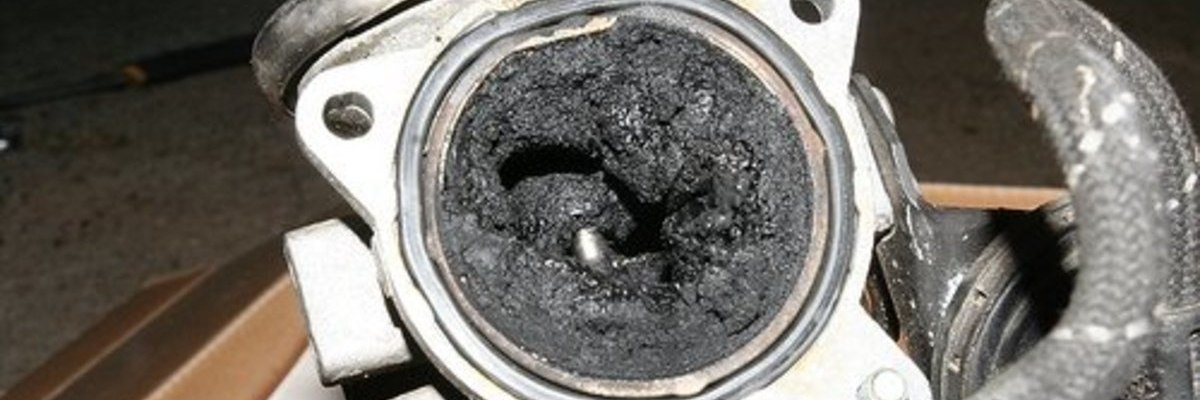
EGR valves can fail in several ways – they can stick open or closed or even develop cracks. A stuck or cracked EGR valve can create unexpected pathways for air, disrupting the carefully balanced vacuum needed for optimum engine operation. This imbalance can manifest as a vacuum leak. Detecting a leak requires a keen ear and eye for symptoms such as rough idling and inconsistent engine performance.
Assessing The Impact Of Egr Valve Malfunction On Engine Vacuum
When the EGR valve isn’t working as it should, the engine’s vacuum system may be compromised. This interruption can lead to diagnostic trouble codes (DTCs) being triggered, activating the check engine light. A technician will often use a vacuum gauge tool to pinpoint the issue.
| Sign of Possible Vacuum Leak | Related EGR Valve Problem |
|---|---|
| Unusual engine noises | Stuck/open EGR valve |
| Engine stalling or hesitation | Cracked or leaking EGR valve |
| Poor fuel economy | EGR valve not closing properly |
- Visual inspection: Check for visible signs of wear or damage to the EGR valve.
- EGR operation test: Use a hand-held vacuum pump to test valve functionality.
- Smoke test: Introduce smoke into the system to reveal the source of the leak.
Properly diagnosing and addressing a faulty EGR valve is key to maintaining engine performance and avoiding further issues. Regular checks and timely maintenance can prevent vacuum leaks related to EGR valve failure.
Diagnosing And Fixing Egr Valve-related Vacuum Issues
Your vehicle’s health is vital for a smooth driving experience. Identifying a fault in the Exhaust Gas Recirculation (EGR) valve is essential. A faulty EGR valve can cause vacuum leaks. This disrupts the balance of air and fuel in your engine. Understanding how to diagnose and fix EGR valve-related vacuum issues is a must for any car owner.
Tools And Techniques For Testing Egr Valve Function
Determining the condition of your EGR valve involves a few tools. You need to use the right methods for accurate results. Below are the tools and techniques you should use:
- Vacuum pump
- Digital multimeter
- Vehicle’s service manual
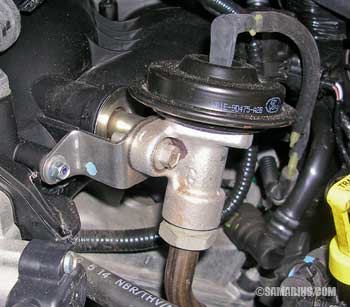
Begin by locating your EGR valve. Follow the service manual instructions for your specific vehicle. Use the vacuum pump to test the diaphragm for leaks. Observe if the EGR valve responds. A multimeter checks for electrical malfunctions. Look out for signs of wear or damage.
Step-by-step Guide To Repairing Or Replacing A Defective Egr Valve
Once a malfunction is diagnosed, the next step is repair or replacement. Below is a guide to help you with this:
- Disconnect vehicle battery.
- Remove the EGR valve carefully.
- Clean the valve if it’s clogged.
- Replace damaged parts if needed.
- Reinstall the valve or install a new one.
- Reconnect battery and test the vehicle.
Always handle parts gently. Follow the manual closely. Test your car after replacing or fixing the EGR valve. This confirms if the vacuum issues have been resolved.
Credit: www.samarins.com
Preventative Maintenance For Egr Valves
An EGR (Exhaust Gas Recirculation) valve plays a crucial role in managing emissions and protecting the engine. Over time, it may develop issues like a vacuum leak. Proper preventative maintenance can prevent costly repairs and keep the EGR valve functioning correctly.
Routine Inspection And Cleaning
Regular checks are essential to maintain your EGR valve. Dirt and carbon deposits can hamper its operation. Periodic cleaning ensures smooth performance and longevity. Follow these simple steps:
- Disconnect the valve and inspect for signs of wear or damage.
- Clean the valve with a suitable cleaner to remove carbon buildup.
- Check the vacuum hoses for cracks and ensure a tight seal.
A clean EGR valve helps prevent leaks and engine issues.
When To Consider Egr Valve Replacement
Sometimes, cleaning might not be enough. An EGR valve can fail due to several factors. Look for these signs:
| Signs of Failure | Action Required |
|---|---|
| Poor Engine Performance | Check the EGR valve for damage or dysfunction. |
| Engine Light Activation | Consult a professional to read the error codes. |
| Rough Idling or Stalling | Replace the valve if cleaning does not improve performance. |
If these signs persist, get your EGR valve replaced promptly to avoid further issues.
Credit: www.reddit.com
Frequently Asked Questions Of Can A Bad Egr Valve Cause A Vacuum Leak
Can A Faulty Egr Valve Lead To Vacuum Leaks?
Yes, a faulty EGR (Exhaust Gas Recirculation) valve can cause vacuum leaks. If the diaphragm inside the valve tears or if there’s a seal failure, it could lead to a vacuum leak. This can reduce engine performance and trigger a check engine light.
How Do You Diagnose A Vacuum Leak From Egr?
To diagnose a vacuum leak from an EGR valve, listen for hissing noises near the valve when the engine is running. You can also spray soapy water around the EGR valve. Bubbling indicates a leak. A mechanic might use a smoke test for accurate detection.
What Symptoms Indicate A Bad Egr Valve?
Symptoms of a bad EGR valve include rough idling, engine stalling, reduced acceleration, and poor fuel economy. The vehicle may also emit more pollutants and trigger a check engine light. If these issues arise, the EGR valve may need inspection or replacement.
Does Egr Valve Repair Improve Engine Performance?
Repairing or replacing a malfunctioning EGR valve can improve engine performance. Once fixed, the engine will run smoother, regain lost power, and have consistent idling. It will also result in better fuel efficiency and reduced emission of pollutants.
Conclusion
To wrap things up, a faulty EGR valve can indeed be a culprit behind vacuum leaks. It compromises your vehicle’s efficiency and requires prompt attention. Remember, addressing EGR valve issues early can save you from extensive repairs and maintain optimal engine performance.
Drive safe and stay proactive about your car’s health.