
How Often Should You Change Transmission Fluid Toyota Highlander
If you own a Toyota Highlander, you probably want it to run smoothly for years to come. One key to making that happen is taking care of your transmission fluid.
But how often should you change transmission fluid in your Toyota Highlander? Getting this right can save you from costly repairs and keep your ride feeling smooth and reliable. You’ll discover the best timing for transmission fluid changes and why it matters more than you might think.
Keep reading to protect your investment and enjoy every drive with confidence.
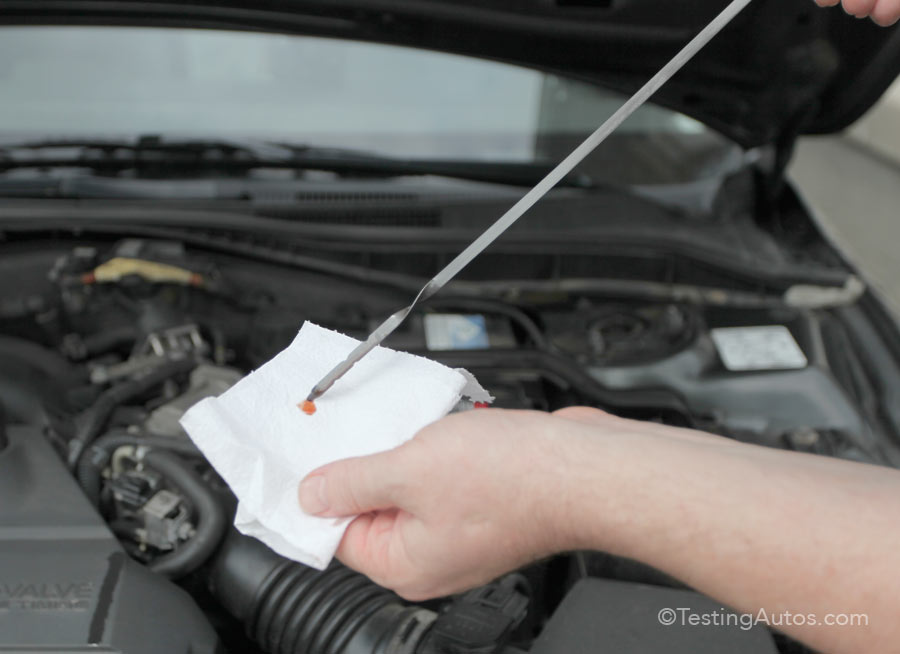
Credit: www.testingautos.com
Transmission Fluid Basics
Transmission fluid is a special liquid that helps your Toyota Highlander run smoothly. It keeps the transmission parts cool and clean. This fluid also helps change gears easily. Without good transmission fluid, your vehicle may face serious problems.
Knowing about transmission fluid helps you keep your Highlander in good shape. Regular checks and changes can save you from costly repairs. Understanding the basics makes it easier to care for your car.
Role In Vehicle Performance
Transmission fluid acts like a lubricant inside the transmission. It reduces friction between moving parts. This helps the transmission work without damage. The fluid also cools the transmission to stop it from overheating.
Good transmission fluid improves gear shifting. It makes driving smooth and safe. Without enough or clean fluid, gear shifts can become rough or delayed. This can hurt the overall driving experience.
Types Used In Toyota Highlander
Toyota Highlander uses specific transmission fluids. These fluids match the vehicle’s transmission system requirements. Common types include Toyota WS and Type T-IV fluids.
Using the right type keeps the transmission healthy. Wrong fluids can cause leaks or damage. Always check your owner’s manual for the correct fluid type. This ensures your Highlander runs well for years.
Toyota Highlander Maintenance Schedule
The Toyota Highlander requires regular care to keep running smoothly. Following the maintenance schedule helps avoid costly repairs. One key part of maintenance is changing the transmission fluid. This keeps the transmission working well and extends its life.
Knowing when to change the fluid depends on several factors. The schedule from Toyota provides a good baseline. Adjustments may be needed based on driving habits and conditions.
Manufacturer Recommendations
Toyota suggests checking the transmission fluid every 30,000 to 60,000 miles. For most Highlander models, a fluid change is recommended around 60,000 miles. The exact timing varies by model year and transmission type. Always consult the owner’s manual for specific guidelines. Using the right fluid type is also important. Toyota recommends using genuine Toyota transmission fluid to ensure compatibility and performance.
Factors Affecting Fluid Change Frequency
Driving style impacts how often you need to change transmission fluid. Frequent stop-and-go traffic or towing adds stress to the transmission. In these cases, fluid may need changing more often. Harsh weather conditions, like extreme heat or cold, also affect fluid quality. Regular inspections can help spot fluid issues early. Keeping an eye on fluid color and smell can prevent damage. Dark or burnt-smelling fluid means it is time for a change.
Signs Of Transmission Fluid Issues
Transmission fluid is key to your Toyota Highlander’s smooth driving. It keeps the transmission cool and clean. Over time, the fluid can get dirty or low. This causes problems that affect your car’s performance. Watch for signs that the fluid needs attention. Early detection helps avoid costly repairs.
Symptoms To Watch For
Slipping gears is a common sign of bad transmission fluid. You may feel a delay when shifting. Strange noises like whining or grinding also point to fluid issues. Look for leaking fluid under your car. The fluid should be bright red. Dark or burnt-smelling fluid means it is time to change it.
Hard shifting or jerking while driving shows that the fluid is not working well. Your Toyota Highlander might hesitate to move forward or backward. Sometimes, the transmission warning light appears on the dashboard. These symptoms mean you should check the transmission fluid soon.
Impact Of Neglecting Fluid Changes
Ignoring transmission fluid changes leads to serious damage. Dirty fluid causes wear on transmission parts. It can cause overheating and failure of the transmission system. Repairs become expensive and time-consuming.
Poor fluid quality reduces fuel efficiency. Your car may use more gas than usual. The driving experience becomes rough and unsafe. Regular fluid changes keep your Toyota Highlander reliable and smooth.
How To Check Transmission Fluid
Checking the transmission fluid in your Toyota Highlander helps keep the transmission running smoothly. Clean fluid supports gear shifts and prevents damage. This task is simple and takes only a few minutes. Regular checks can catch problems early and save costly repairs.
Step-by-step Guide
Start by parking your Highlander on a flat surface. Turn the engine on and let it warm up for a few minutes. Keep the engine running during the check.
Open the hood and find the transmission fluid dipstick. It usually has a bright handle, often red or yellow. Pull the dipstick out carefully.
Wipe the dipstick clean with a cloth or paper towel. Insert it back fully, then pull it out again. Look at the fluid level on the dipstick.
The fluid should be between the “Full” and “Add” marks. Also, check the fluid color. It should be bright red or pink and clear. Dark or burnt-smelling fluid means it needs changing.
After checking, put the dipstick back securely. Close the hood properly before driving.
When To Perform Checks
Check the transmission fluid every 30,000 miles or about every two years. For older Highlanders, check more often. Check the fluid if you notice rough shifting or slipping gears.
Check after long trips or heavy towing to catch issues early. Cold weather can affect fluid levels, so check more in winter. Regular checks keep your transmission healthy and your drive smooth.
Diy Vs Professional Fluid Change
Changing the transmission fluid in your Toyota Highlander is important for smooth driving. You can do it yourself or choose a professional service. Each option has its own benefits and challenges. Understanding these helps you pick the best choice for your car and budget.
Pros And Cons Of Diy
Doing the fluid change yourself saves money on labor costs. You learn more about your car’s parts and care. It can be done at your own time and pace. You need some tools and clean space. Mistakes can cause damage or leaks. It takes time and effort to do it right. You must buy the correct fluid type for your Highlander.
What To Expect From Service Centers
Service centers offer expert knowledge and proper tools. They ensure the right fluid and amount is used. The process is faster and cleaner than DIY. They may check other transmission parts for issues. Service costs more because of labor and parts. Appointments might be needed, which can delay the process. You get a warranty or guarantee on their work.
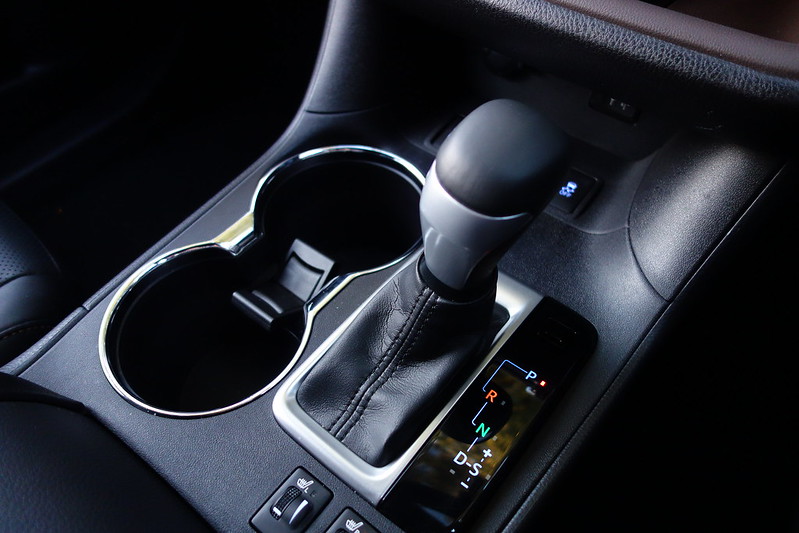
Credit: www.keithpiersontoyota.com
Extending Transmission Life
Extending the life of your Toyota Highlander’s transmission is key to avoiding costly repairs. Clean transmission fluid helps the system run smoothly. Old or dirty fluid can cause wear and tear inside the transmission. Changing the fluid at the right time keeps parts lubricated and cool. This simple step can prevent many common transmission problems. Proper care means your Highlander will drive well for many years.
Best Practices For Fluid Maintenance
Check the transmission fluid regularly. Look for the color and smell. Healthy fluid is clear or pink and has no strong odor. Change the fluid every 30,000 to 60,000 miles, depending on your driving habits. Use the type of fluid recommended by Toyota. Avoid mixing different fluids, as this can harm the transmission. Always check the fluid level with the engine warm and running. Low fluid levels can cause slipping or overheating.
Additional Care Tips For Highlander Owners
Drive gently to reduce stress on the transmission. Avoid sudden stops and starts. Use the parking brake on hills to prevent strain. Keep the cooling system in good shape to help cool the transmission. Have your transmission inspected during regular service visits. Watch for signs like delayed shifting or strange noises. Address problems early to avoid major repairs. Clean fluid and smart driving help your Highlander last longer.

Credit: www.youtube.com
Frequently Asked Questions
How Often Should I Change Toyota Highlander Transmission Fluid?
Toyota recommends changing the Highlander’s transmission fluid every 60,000 to 100,000 miles. Regular changes ensure smooth shifting and prevent wear. Check your owner’s manual for specific intervals based on your model year and driving conditions.
What Are Signs Of Old Transmission Fluid In Highlander?
Signs include slipping gears, delayed shifting, or strange noises. Dark or burnt-smelling fluid also indicates old transmission fluid. Prompt fluid changes prevent costly transmission damage and maintain vehicle performance.
Can I Check Transmission Fluid Level Myself On Highlander?
Yes, but some Highlander models have sealed transmissions without dipsticks. For models with dipsticks, check fluid when the engine is warm and running. Consult your manual for correct procedures and fluid type.
Is Synthetic Transmission Fluid Better For Toyota Highlander?
Synthetic fluid offers better heat resistance and longer life. It can improve transmission performance and protection. Always use the fluid type specified by Toyota to avoid damage or voiding warranties.
Conclusion
Changing your Toyota Highlander’s transmission fluid keeps it running smooth. Check the owner’s manual for the right schedule. Usually, every 30,000 to 60,000 miles is good. Clean fluid helps avoid costly repairs later. Regular changes protect your vehicle’s performance and lifespan.
Don’t wait for problems to start. Stay ahead with simple maintenance steps. Your Highlander will thank you with better driving and fewer issues. Easy care makes a big difference. Keep an eye on your transmission fluid to drive worry-free.


