

What Years To Avoid Toyota Highlander
If you’re thinking about buying a Toyota Highlander, you want to make sure you pick the right year. Some model years have more problems than others, and choosing the wrong one could cost you time, money, and headaches.
Knowing which years to avoid can save you from unexpected repairs and keep your driving experience smooth and worry-free. You’ll discover exactly which Toyota Highlander years have caused the most trouble and why. Keep reading to protect your investment and drive with confidence.
Common Issues By Year
The Toyota Highlander has a strong reputation for reliability. Still, some model years show more problems than others. Knowing these common issues by year helps buyers avoid trouble. This guide breaks down the main concerns for each range of model years.
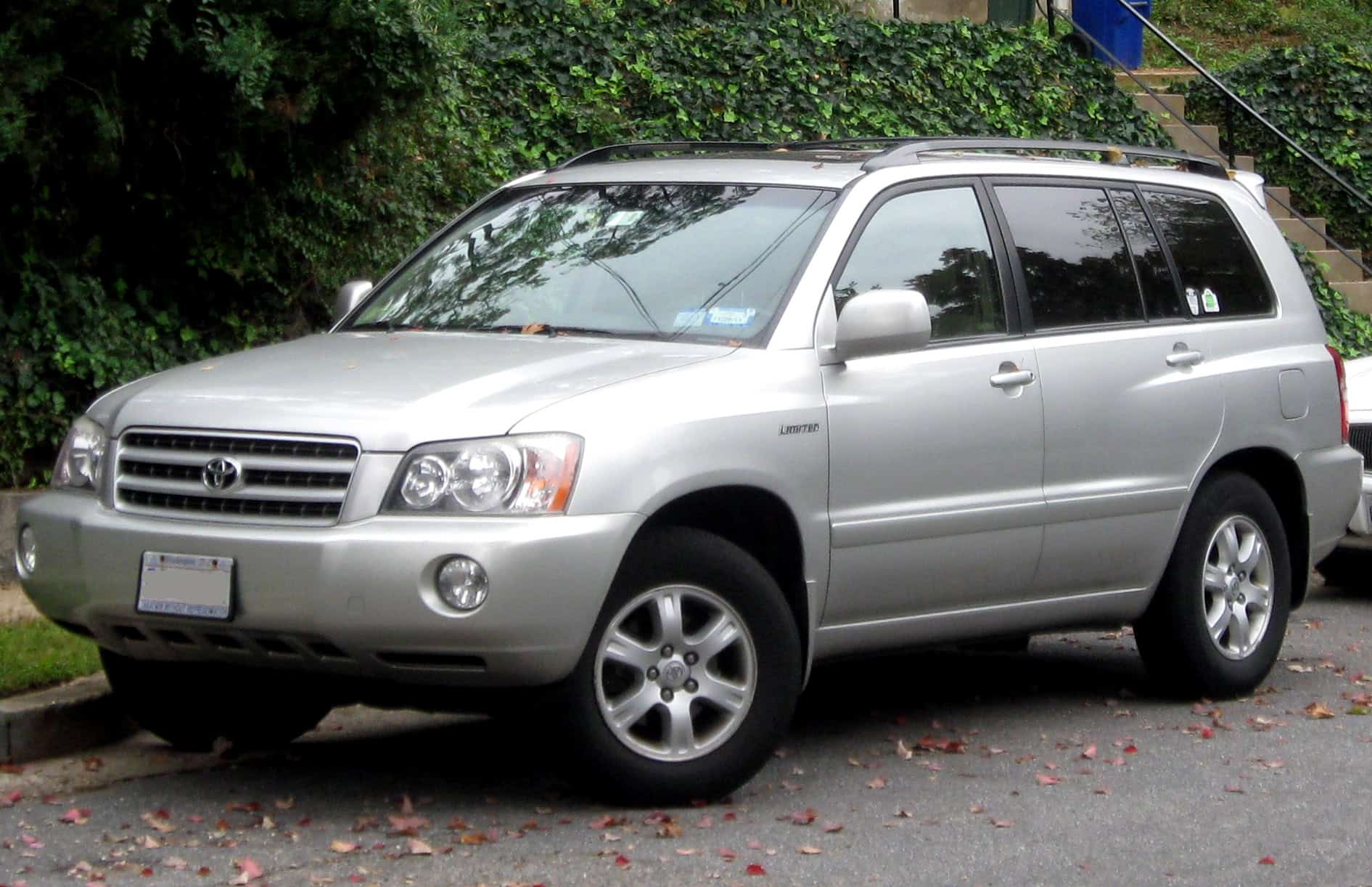
2001-2003 Models
Early Highlanders often faced transmission troubles. Shifting felt rough or delayed. Some owners reported engine oil leaks. The air conditioning system sometimes failed prematurely. Electrical glitches, like dashboard warning lights, were common.
2004-2007 Models
These years saw problems with the water pump. It could leak or stop working suddenly. Suspension parts wore out faster than expected. Some models had issues with power window motors. Brake system noises also appeared more frequently.
2008-2010 Models
Engine stalling happened in a few cases. The fuel system showed signs of clogging. Some drivers noted excessive oil consumption. The hybrid version had battery pack concerns. Cabin noise was louder compared to earlier models.
2011-2013 Models
Fuel pump failures were reported more often. Some vehicles experienced issues with the electronic throttle. Steering wheel vibrations occurred at high speeds. Transmission hesitation appeared in certain models. Rear suspension parts needed early replacement.
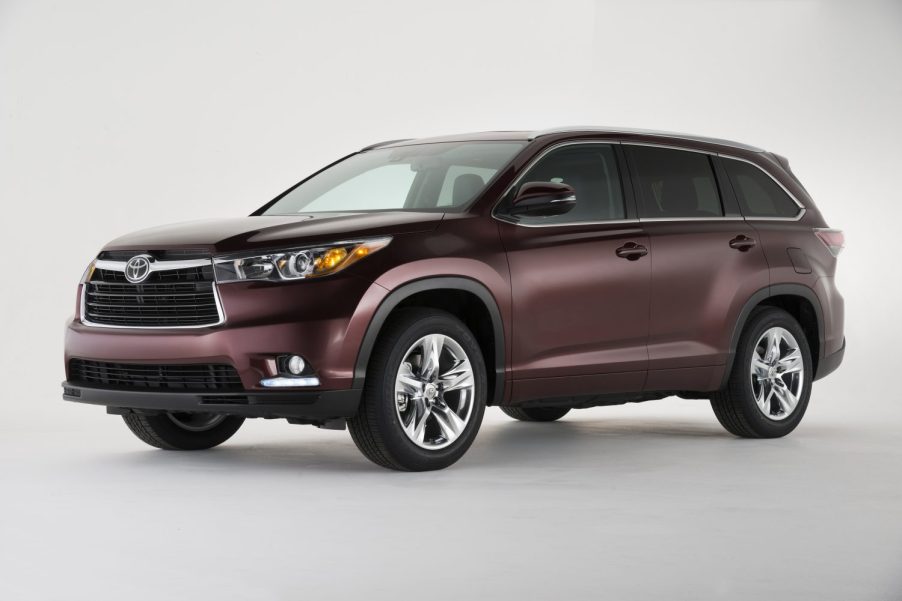
2014-2016 Models
Reports of touchscreen malfunctions increased. Some owners faced problems with the backup camera. Minor oil leaks were noted under the engine. The hybrid system showed warning light alerts. Tire wear was uneven in some cases.
Reliability Ratings
Reliability ratings reveal which Toyota Highlander years to avoid. These scores help buyers find stable, lasting vehicles. Low ratings signal frequent problems and costly repairs. High ratings mean fewer issues and better ownership experience. Checking multiple sources gives a clearer picture of reliability.
Consumer Reports Data
Consumer Reports collects data from thousands of vehicle owners. They rate Highlander models based on real-world reliability. Some model years show more frequent engine and transmission problems. Early 2010s models had mixed reviews with moderate reliability. Newer models from 2017 onward generally scored better. Avoid years with below-average ratings to reduce risk.
Jd Power Scores
JD Power surveys owners about problems in the first few years. These scores reflect initial quality and reliability. Certain Highlander years scored below average for engine and electrical issues. The 2014 and 2015 models had more complaints than others. Models after 2016 tended to have improved scores. Choose years with high JD Power ratings for peace of mind.
Owner Complaints Trends
Owner complaints highlight common problems experienced over time. Some Highlander years have repeated issues with brakes and suspension. The 2008 and 2011 models showed increased complaints in these areas. Complaints about hybrid system failures appeared in some 2011-2013 models. Tracking trends helps avoid years with costly repairs. Look for years with fewer complaints to save money.
Recalls And Safety Concerns
The Toyota Highlander has earned a reputation for reliability. Still, certain model years have faced recalls and safety concerns. These issues can affect vehicle performance and driver safety. Understanding these problems helps buyers avoid costly repairs and risks on the road.
Recalls often address defects that could cause accidents or injuries. Safety features have also evolved over the years, making newer models safer. Knowing which years had major recalls and how safety improved is key for smart buyers.
Major Recalls By Year
Some Highlander models had recalls affecting brakes, airbags, and fuel systems. For example, 2008 and 2009 models faced brake booster issues. This defect could reduce braking power, risking accidents.
The 2014 model had an airbag recall. Faulty inflators could cause airbags to deploy incorrectly. This raised serious safety concerns worldwide.
In 2017, certain Highlanders had problems with fuel pump failure. This recall aimed to prevent engine stalling or fire hazards.
Safety Features Evolution
Early Highlanders lacked advanced safety tech now common in newer models. Features like lane departure warning and adaptive cruise control appeared in models after 2017.
Anti-lock brakes and stability control became standard around 2008. These features help maintain control during emergency stops or slippery conditions.
Recent models include Toyota Safety Sense, a package of driver-assist systems. This suite enhances accident prevention and driver awareness significantly.
Credit: 247wallst.com
Maintenance Costs By Year
Maintenance costs for the Toyota Highlander can vary greatly by year. Some models need more repairs than others. Knowing which years have higher costs helps you avoid expensive surprises. It also helps you plan your budget better. Below are key points about maintenance costs by year.
Frequent Repairs
Certain Highlander years face common issues that need frequent repairs. For example, some older models often have problems with the water pump and transmission. These repairs happen more often than in other years. Frequent repairs can add up and become costly over time. Watch out for years with known reliability problems. These years might require more visits to the mechanic.
Costly Components
Some parts in specific Highlander years are expensive to fix or replace. Components like the timing belt, fuel pump, and catalytic converter can cost hundreds of dollars. Repairing or replacing these parts often requires skilled labor. This makes maintenance pricier. Newer models might have advanced technology that raises repair costs. Check which years have costly components before buying. This step can save you money and stress later.
Resale Value Impact
The resale value of a Toyota Highlander can vary greatly depending on the model year. Certain years lose value faster, making them less attractive to buyers. Understanding how resale value changes helps buyers avoid costly mistakes. It also guides sellers on the best time to sell their vehicle.
Depreciation Patterns
Some Highlander model years depreciate faster than others. Early models in a generation often lose value quickly. This happens as newer designs and features arrive. Problems reported by owners also speed up depreciation. Models with fewer reliability issues hold their value better over time.
Cars with high mileage and maintenance problems drop in resale price. Buyers tend to avoid years with known mechanical troubles. This lowers demand and pushes prices down. Choosing a year with stable depreciation protects your investment.
Market Demand For Specific Years
Demand for certain Highlander years affects resale value strongly. Popular years with good reviews keep high resale prices. These years often have updated safety and tech features. Buyers prefer newer or well-maintained models from these years.
Some years see less interest due to recalls or negative feedback. This lowers resale value and market demand. Cars from these years can stay on the market longer. Knowing which years buyers prefer helps in selecting the right Highlander.
Credit: www.reddit.com
Tips For Choosing A Highlander
Choosing a Toyota Highlander takes careful thought. The right year can save money and avoid trouble. Some model years have fewer problems and better features. Knowing which years to choose helps you find a reliable SUV. This guide offers simple tips for picking the best Highlander for your needs.
Best Years To Buy
Some Highlander years stand out for quality and reliability. Models from 2016 to 2019 have fewer recalls and better safety ratings. The 2020 and 2021 versions include updated tech and more comfort. Older models like 2010 to 2013 can be affordable but may need more repairs. Choosing these years means fewer surprises and lower repair costs.
Inspection Checklist
Always check the vehicle carefully before buying. Start with the engine and transmission for smooth operation. Look for leaks, strange noises, or warning lights. Test the brakes and suspension for safety and comfort. Check the tires for wear and alignment. Inspect the interior and electronics for proper function. Ask for a full service history to confirm regular maintenance. A thorough check helps avoid future expenses.
Credit: www.motorbiscuit.com
Frequently Asked Questions
What Toyota Highlander Model Years Should Be Avoided?
The 2001 and 2014 Toyota Highlander models are often avoided. They have reported engine and transmission issues. These problems affect reliability and increase repair costs.
Why Avoid 2001 Toyota Highlander?
The 2001 Highlander has frequent transmission failures and engine problems. Owners report costly repairs and poor performance. It’s best to skip this model year for reliability.
Are 2014 Highlanders Problematic?
Yes, the 2014 Highlander faced engine and transmission troubles. Many owners experienced premature component failures. This model year ranks lower in reliability compared to others.
Which Years Are Most Reliable For Toyota Highlander?
Model years 2016 to 2020 are considered most reliable. These years have fewer reported mechanical issues and better safety ratings. They offer better long-term ownership value.
Conclusion
Choosing the right Toyota Highlander year can save you time and money. Some model years show more problems and repairs than others. Avoiding those years helps you find a reliable SUV. Check reviews and reports before buying any used Highlander.
A little research goes a long way. This way, you enjoy your car without constant worries. Safe driving starts with smart choices.


