

How To Program Tpms Sensors Toyota
If you own a Toyota, you know how important your tire pressure monitoring system (TPMS) is for safety and performance. But what happens when you need to program new TPMS sensors?
It can feel confusing and frustrating if you don’t know the steps. This guide will walk you through exactly how to program TPMS sensors for your Toyota, using simple instructions you can follow right now. By the end, you’ll have the confidence to handle this task yourself and keep your vehicle running smoothly.
Keep reading to learn the easy way to get your TPMS sensors up and running.
Tpms Basics
TPMSstands for Tire Pressure Monitoring System. It helps drivers know if tire pressure is too low. This system improves car safetyand fuel efficiency.
There are two main types of TPMS sensors: directand indirect. Direct sensors measure the air pressure inside each tire. Indirect sensors use the car’s ABS system to estimate tire pressure by wheel speed.
For Toyota vehicles, TPMS is very important. It helps prevent tire damageand accidents. Proper tire pressure keeps the car stable and saves fuel. Toyota’s TPMS alerts drivers quickly when pressure is low, helping maintain safe driving.
Credit: www.alicar.com
Tools Required
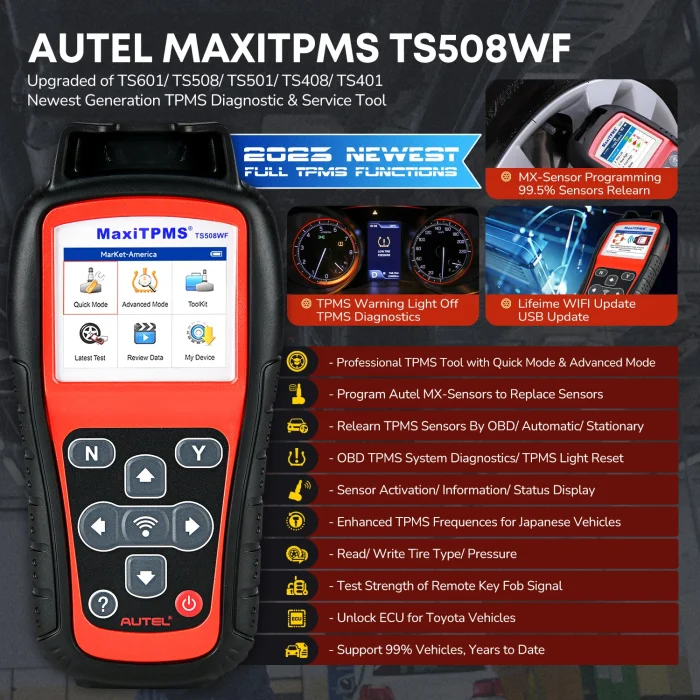
To program TPMS sensors for Toyota, three main toolsare needed. A TPMS programming toolhelps to read and set sensor codes. An OEM scan toolconnects to the car’s system for sensor activation and calibration. A tire pressure gaugechecks the air pressure before and after programming.
These tools work together to ensure sensors are correctly set. The TPMS programming tool reads sensor IDs. The OEM scan tool links these IDs to the car’s computer. The tire pressure gauge confirms the sensors report accurate pressure.
Preparation Steps
Start by checking the tire pressureon all four tires. Use a reliable tire pressure gauge. Make sure the pressure matches the recommended levelin your Toyota manual. This step helps the TPMS sensors work properly.
Next, turn the ignition onwithout starting the engine. This powers the car’s electronics and prepares the system for programming. Keep the ignition on during the entire process.
Finally, ensure all sensors are ready. Check that each sensor is installed and activated on each tire. If a sensor is missing or faulty, programming won’t work well. Ready sensors make programming smooth and fast.

Credit: www.youtube.com
Programming Tpms Sensors
Manual relearn procedureallows you to reset the TPMS sensors yourself. Start by turning the ignition to ON without starting the engine. Press and hold the TPMS reset button until the tire pressure light blinks three times. Drive the car for about 10 minutes at speeds above 30 mph. This helps the sensors sync with the car’s system. Each tire sensor sends a unique signal. The car learns these signals during the drive.
Using TPMS programming toolis faster and more precise. Connect the tool to each tire valve stem. The tool reads the sensor ID and programs it to match the vehicle. Follow the tool’s instructions on the screen. This method works well for new or replacement sensors.
| Step | Using Toyota Scan Tool |
|---|---|
| 1 | Connect the scan tool to the car’s OBD-II port. |
| 2 | Turn ignition to ON without starting engine. |
| 3 | Access TPMS menu on the scan tool. |
| 4 | Follow prompts to program or relearn sensors. |
| 5 | Complete the process and verify sensor status. |
Troubleshooting
Sensor Not Detectederror means the car cannot find a tire sensor. This can happen if the sensor is dead, damaged, or out of range. Sometimes, dirt or corrosion on the sensor causes this issue. Check the sensor’s battery life and clean the sensor if needed. Replacing a broken sensor may fix the problem.
Reset Tpms Lightoften stays on after fixing a tire issue. The system needs a reset to clear the warning. Drive the car at 50 mph for 10 minutes to reset sensors automatically. Or use a TPMS tool to reset the light manually. If the light stays on, check for other problems or faulty sensors.

Credit: www.4runners.com
Maintenance Tips
Battery Replacementis key to keeping TPMS sensors working well. Sensor batteries usually last 5 to 10 years. Changing them on time helps avoid sensor failure and alerts. Use the right battery type for Toyota models.
Sensor Lifespandepends on driving conditions and usage. Sensors wear out after several years or 60,000 miles. Replacing old sensors prevents false warnings and keeps your car safe.
Regular TPMS Checkssave money and trouble. Check sensor signals during tire rotations or oil changes. Reset sensors after changing tires or sensors. This keeps the system accurate and reliable.
Frequently Asked Questions
How Do I Reset Tpms Sensors On A Toyota?
To reset TPMS sensors on a Toyota, turn the ignition on without starting. Press the TPMS reset button until the light blinks three times. Drive the car above 25 mph for 10 minutes to complete the reset process.
Can I Program Toyota Tpms Sensors Myself?
Yes, you can program Toyota TPMS sensors yourself using the vehicle’s onboard system or a TPMS tool. Follow the vehicle manual instructions carefully to sync new sensors with the car’s computer system.
What Tools Are Needed To Program Toyota Tpms Sensors?
You need a TPMS programming tool or scanner compatible with Toyota. Some models allow programming through the dashboard controls. Consult your Toyota’s manual for specific tool requirements and procedures.
Why Is My Toyota Tpms Light Still On After Sensor Replacement?
The TPMS light may stay on if sensors aren’t properly programmed or synced. Ensure sensors are activated and matched to your vehicle’s system. A professional scan can diagnose any sensor or system issues.
Conclusion
Programming TPMS sensors on a Toyota is simple with the right steps. Follow the instructions carefully and take your time. Double-check each sensor to ensure it works correctly. Properly programmed sensors keep your tires safe and your drive smooth. Regular checks help avoid tire pressure problems and improve fuel efficiency.
Trust the process, and you will save time and money. Keep your Toyota’s TPMS updated for the best performance on the road. Safe driving starts with well-maintained sensors.


