Symptoms of a Bad Body Control Module
Symptoms of a bad Body Control Module (BCM) include erratic electronic function and illuminated dashboard warning lights. The BCM plays a critical role in a vehicle’s electronic system management.
A healthy Body Control Module ensures smooth operation of electronic features like power windows, power mirrors, air conditioning, and security systems. When it starts to fail, it can lead to unpredictable behaviors and loss of functionality in these systems. Common indicators comprise unresponsive or spontaneous activation of electronic components, and sometimes even vehicle performance issues.
Drivers should be aware that such symptoms warrant swift diagnostics to prevent further complications. Early detection and repair are essential for maintaining vehicle safety and integrity.
The Role Of The Body Control Module
The Role of the Body Control Module (BCM) is vital in modern vehicles. We will explore its core functions and importance as well as its interaction with other vehicle systems. Understanding the BCM is crucial for recognizing its symptoms when things go wrong.
Core Functions And Importance
The BCM acts as the brain behind the vehicle’s various electronic systems. It is responsible for:
- Monitoring: It checks the status of automotive functionalities.
- Controlling: It manages components like interior lighting and power windows.
- Optimizing: It ensures all systems work together efficiently.
This control center plays a key role in vehicle performance and comfort. Without it, cars would not operate as smoothly.
Interaction With Other Vehicle Systems
The BCM is interconnected with multiple systems within the car:
| System | Function |
|---|---|
| Security | Manages car alarms and remote locking features. |
| Engine Controls | Passes on information for engine management. |
| Entertainment | Synchronizes with audio and navigation units. |
The BCM ensures all these systems work in harmony. A fault in the BCM can disrupt this balance, leading to noticeable issues.
Symptoms Indicating A Faulty Body Control Module
The Body Control Module (BCM) is like the brain for your car’s electrical system. It makes sure windows, lights, and locks work right. But when the BCM goes bad, your car might act weird. Let’s explore these warning signs so you can spot trouble early.
Electrical Anomalies And Irregularities
Random car beeps or lights flashing? These could be cries for help from your BCM. Maybe your car’s horn honks for no reason. Or the dashboard lights flicker like a disco. These signs scream, “Check your BCM!”
Persistent Battery Drain Issues
Is your car’s battery always low? It might not be the battery’s fault! A sneaky BCM could be draining its juice. If you change the battery, but it’s still weak, the BCM might be the real vampire.
Inconsistent Operation Of Electrical Components
Windows that won’t close? Radio playing hide and seek? These things could mean your BCM is not doing its job. It’s like a puppet master that’s fallen asleep. No one knows what the puppets will do next!
| BCM Symptom | What You Might See or Feel |
|---|---|
| Headlights not working | Dark roads at night |
| Power locks malfunction | Struggle to get in or out |
| Car stereo issues | Music suddenly stops |
Remember: These hiccups can suddenly appear. Don’t wait. A mechanic can help you figure out if it’s the BCM or something else.
Diagnosing Body Control Module Problems
Diagnosing Body Control Module problems can mean the difference between a smooth drive and an unpredictable one. The Body Control Module (BCM) serves as the brain for your car’s electrical system, controlling functions like the power windows and door locks. When it starts to fail, you may notice several symptoms. Identifying these issues early ensures a swift return to optimal vehicle performance.
Troubleshooting Common Issues
Different symptoms could point to a bad Body Control Module. Let’s troubleshoot the common issues:
- Erratic behavior of electrical components like headlights, dashboard lights or wipers.
- Battery drain, even when the vehicle is off.
- Unresponsive or sporadic behavior of door locks, windows, or alarm system.
| Symptom | Possible Cause |
|---|---|
| Non-functional lights | Faulty BCM circuitry or software issues |
| Inconsistent alarm | Corrupted BCM signals |
| Random locking | Short circuits within the BCM |
Check these functions individually to see if the issues persist. This step helps narrow down the problem to the BCM.
Professional Diagnostic Tools
Advanced diagnosing usually requires specialized tools. Professional mechanics use these tools to read error codes from the vehicle’s computer:
- Code readers that retrieve BCM-specific error codes.
- Advanced scanners that can interpret data in real time.
- Software that helps to reprogram or update the BCM.
Certain tools interact directly with the BCM, isolating issues more effectively than basic troubleshooting. They provide detailed insights that guide the repair process. Working with a professional translates to accurate diagnostics and precise solutions.
Potential Consequences Of Ignoring Symptoms
Ignoring a faulty Body Control Module (BCM) leads to grave issues. Identifying warning signs early prevents risks. A car’s BCM controls electronic components. When it fails, the vehicle might act unpredictably. Let’s explore the dangers of overlooking a bad BCM.
Safety Risks And Malfunctions
A malfunctioning BCM affects vehicle safety. Neglect impacts critical systems. This can lead to:
- Unreliable Airbag Deployment: Airbags may not deploy in a crash.
- Unresponsive Central Locking: Doors could fail to lock, raising theft risk.
- Erratic Lights: Headlights and interior lights might switch on or off.
Imagine driving with unpredictable lights at night. It’s not only dangerous but also illegal in many places. This puts the driver, passengers, and others at risk.
Long-term Vehicle Damage
BCM issues can worsen over time. Problems start small but can grow, leading to:
- Battery Drain: Electrical components stay active, draining the battery.
- Engine Misfires: A bad BCM might cause erratic engine behavior.
- Failed Start: Your car may refuse to start, leaving you stranded.
Long-term effects also hit your wallet. The overall health of a vehicle declines, impacting resale value.
Solving Body Control Module Issues
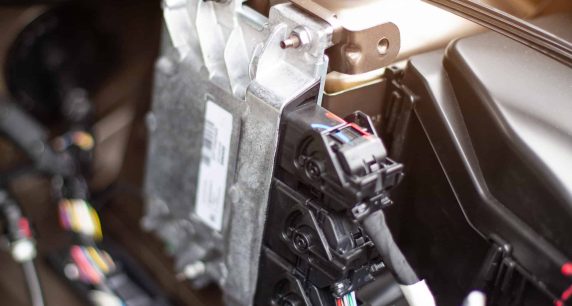
The Body Control Module (BCM) serves as the nerve center of your vehicle’s electrical system. Symptoms such as erratic headlights, non-functioning dashboard controls, and unpredictable power windows suggest BCM issues. These signs demand immediate attention. This section will guide you through repair versus replacement options and recommended maintenance practices for your BCM.
Repair Vs. Replacement Options
Considerations for BCM repair:
- Cost-effective in some cases.
- Limited to minor faults.
- May not be a permanent fix.
Signs you might need a replacement:
- Multiple or major electrical issues.
- After diagnostics, a repair is not feasible.
- Ongoing reliability is a concern.
| Option | When To Consider | Pros | Cons |
|---|---|---|---|
| Repair | Minor issues | Cost-effective, Quicker | May not last |
| Replacement | Major faults | Long-term solution | More expensive, Takes time |
Select the best course after consulting with a professional.
Recommended Practices For Maintenance
Maintaining your BCM involves several key actions:
- Regular Check-ups: Schedule diagnostic tests.
- Clean Connections: Keep connectors free of corrosion.
- Protect from Moisture: Ensure seals remain intact.
Avoid DIY fixes if you lack expertise. Contact a certified mechanic instead.
Regular vehicle servicing helps in early detection of BCM problems.
Stick to these practices for an optimally functioning BCM. Note that early problem identification saves time and money.
Credit: www.gmride.com.my
Preventative Measures And Best Practices
Maintaining a healthy Body Control Module (BCM) is essential for your vehicle’s optimal performance. Prevention is key to avoiding issues with the BCM. By incorporating routine checks and staying updated on software, drivers can keep their cars running smoothly and prevent costly repairs. Let’s dive into the specifics of how to safeguard the BCM in your vehicle.
Routine Checks And Early Detection
Regular inspections can catch issues before they escalate. Create a schedule for BCM health checks. Be attentive to warning signs like erratic lights or accessory malfunctions. A professional can diagnose these early symptoms and prevent worse problems.
- Inspect BCM connections for corrosion or looseness.
- Test vehicle functions controlled by the BCM regularly.
- Consult with a technician if unusual behaviors occur.
Up-to-date Software And Recalls
Manufacturers occasionally release updates for BCM software. These updates can fix bugs or improve module performance. Check for recalls that may affect your vehicle’s BCM. Immediate action on updates and recalls can prevent malfunction.
| Action | Benefit |
|---|---|
| Software Updates | Enhance functionality and security. |
| Recall Information | Address factory-related issues promptly. |
Vehicles with updated software remain efficient and reliable. Regularly check manufacturer websites or contact authorized dealers for information.

Credit: m.youtube.com
Frequently Asked Questions On Symptoms Of A Bad Body Control Module
What Are Common Body Control Module Issues?
A bad body control module often leads to electrical problems. These include erratic dashboard lights, non-functioning interior features, and issues with the vehicle’s security system.
How Does A Faulty Body Control Module Behave?
When the body control module fails, it can cause inconsistent operation of power windows, locks, and lights. The vehicle might also experience trouble starting, or the battery may drain.
Can A Bad Bcm Affect Engine Performance?
Yes, a malfunctioning body control module can affect engine performance. It could cause irregular transmission shifts, poor fuel economy, or stalling, as the BCM communicates with the engine control unit.
What Are Signs Of A Failing Body Control Module?
Signs include unpredictable electronic accessories operation, flickering headlights, a non-responsive car alarm, and issues with starting the vehicle. Illuminated warning lights on the dashboard are also common.
Conclusion
To wrap up, recognizing the warning signs of a malfunctioning body control module is crucial. Stay vigilant for symptoms such as electrical irregularities, engine issues, or unpredictable behavior in car functions. Prompt diagnosis and repair can save you from future headaches and ensure your vehicle remains reliable.
Always consult with a professional mechanic to safeguard your car’s health.