Can a Bad Crankshaft Sensor Cause Knocking
A bad crankshaft sensor typically does not cause knocking. Knocking in an engine often results from other issues.
Understanding the role of a crankshaft sensor can help prevent misdiagnosing vehicle problems. This small but mighty component monitors the position and rotational speed of the crankshaft, informing the vehicle’s engine management system to optimize timing and fuel injection. When it fails, drivers might experience rough idling, engine misfires, or stalling, which differ from the distinct sound of engine knocking.
Engine knocking, on the other hand, usually stems from combustion issues, such as pre-ignition or detonation in the engine’s cylinders. Thus, while a faulty crankshaft sensor can lead to performance problems, knocking signifies different challenges that a professional should address. It’s essential to investigate any unusual engine noises promptly as they may indicate severe issues that can lead to engine damage.

Credit: m.youtube.com
Symptoms Of A Faulty Crankshaft Sensor
The crankshaft sensor in your vehicle is a critical component. It monitors the crankshaft’s position and speed, sending this information to the car’s computer system. A faulty crankshaft sensor can lead to a series of noticeable engine issues, leading drivers to suspect something is amiss. Here are the key symptoms that could indicate a problem with the crankshaft sensor:
Erratic Engine Performance
Irregularities in engine performance are often the first sign of a crankshaft sensor problem. This can include:
- Sudden stalling or hesitations during acceleration
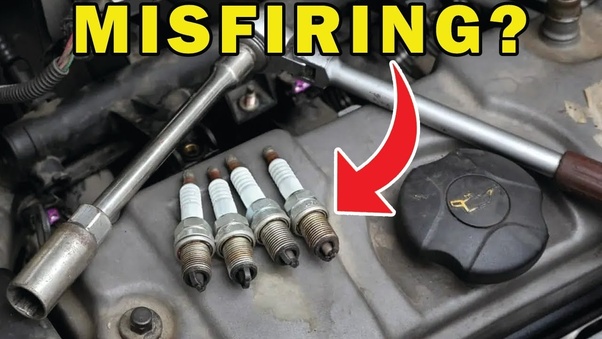
- Engine misfires leading to rough idling
- Reduced power and poor acceleration
- Engine vibration causing a shaky ride
These symptoms arise because the engine’s timing can be off. Without accurate readings from the crankshaft sensor, fuel injection and ignition timing can disrupt your drive.
Illuminated Check Engine Light
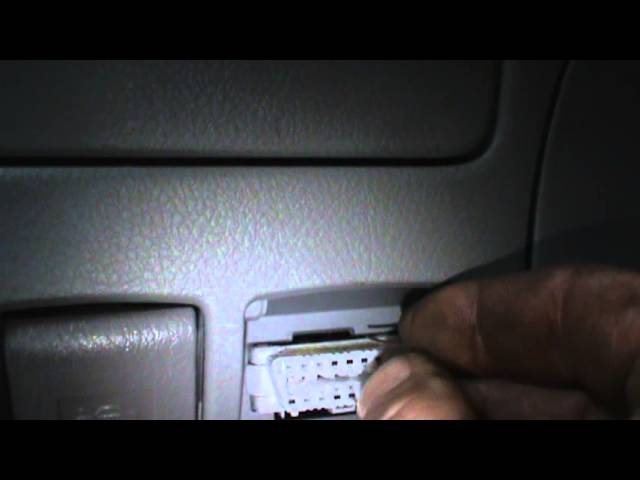
The check engine light on your dashboard lights up for many reasons. A bad crankshaft sensor is one. This light comes on when the car’s computer detects a problem. Some tools can read the error codes from the car’s computer. These tools reveal if a crankshaft sensor is causing the issue. Your mechanic can help diagnose this with the right equipment.
| Error Code | Meaning |
|---|---|
P0335 |
Crankshaft Position Sensor “A” Circuit Malfunction |
P0336 |
Crankshaft Position Sensor “A” Circuit Range/Performance |
P0337 |
Crankshaft Position Sensor “A” Circuit Low Input |
P0338 |
Crankshaft Position Sensor “A” Circuit High Input |
P0339 |
Crankshaft Position Sensor “A” Circuit Intermittent |
Spotting these warning signs early on can prevent further damage to your engine and ensure a safer driving experience.
The Relationship Between Crankshaft Sensor And Engine Knock
Understanding the link between a crankshaft sensor and engine knock is crucial for car health. The crankshaft sensor plays a vital role in your car’s engine by monitoring the engine’s speed and position. A faulty crankshaft sensor can mislead the engine control unit (ECU), potentially causing engine knock. Let’s explore how the crankshaft sensor influences your engine’s performance.
The Role Of The Crankshaft Sensor
The crankshaft sensor, also known as the crank position sensor, acts as the engine’s watchdog. It reads the crankshaft’s position and speed, sending this data to the ECU. The ECU uses this information to manage fuel injection and ignition timing accurately.
- Monitors engine speed: The sensor keeps track of the RPM.
- Determines crankshaft position: It detects the crankshaft’s precise angle.
- Ensures smooth operation: By overseeing these critical aspects, the sensor helps engines run efficiently.
How Engine Knock Occurs
Engine knock, sometimes referred to as detonation, is the sound of exploding fuel outside the engine’s normal combustion front. This out-of-turn detonation can be harmful to engine components, causing damage over time.
| Reason for Knock | Impact on Engine |
|---|---|
| Improper fuel mixture | Causes incomplete combustion |
| Incorrect ignition timing | Leads to premature or delayed combustion |
| High engine temperatures | Increases tendency for detonation |
When a bad crankshaft sensor sends incorrect data, the ECU might mistime the ignition, causing knock. Although a crankshaft sensor is not a direct cause of knock, its failure affects factors that lead to knocking.
In summary, proper functioning of the crankshaft sensor is essential to prevent engine knock and ensure smooth engine performance.
Diagnosing The Underlying Causes Of Engine Knock
Engine knocking, a symphony no car owner wants to hear, can signify trouble beneath the hood. While many suspect a bad crankshaft sensor may not cause knocking directly, its failure can lead to conditions conducive to knocking. Identifying the real culprit requires a thorough diagnostic approach. Let’s delve into the common origins of this issue and the tools that aid diagnosis.
Common Causes Of Engine Knock
- Fuel quality: Low octane fuel combusts prematurely, creating knock.
- Ignition timing: Off-schedule sparking of spark plugs leads to knock.
- Carbon deposits: Build-up in combustion chambers causes uneven combustion.
- Engine overheating: Excessive heat can induce knocking sounds.
- Sensor malfunctions: Faulty sensors, like the crankshaft sensor, disrupt engine timing.
Tools For Diagnosing Engine Problems
Equipped with the right tools, pinpointing the issue becomes simpler. The following are essential in any diagnostic toolkit:
| Tool | Function |
|---|---|
| OBD-II Scanner | Reads trouble codes from the car’s onboard computer. |
| Spark Plug Tester | Checks for proper spark plug operation. |
| Compression Gauge | Measures cylinder pressure to assess engine condition. |
| Stethoscope | Helps isolate the source of knocking sounds. |
Crankshaft Sensor Failures And Knocking: Correlation Or Causation?
Crankshaft sensor failures can leave many car owners scratching their heads. A car’s crankshaft sensor plays a crucial role in managing the engine’s timing and fuel injection. But can it be the culprit behind engine knocking?
Misdiagnosis Of Engine Issues
Correctly pinpointing engine problems is essential. Engine knocking, a well-known symptom of various issues, can sometimes lead car owners and even technicians down the wrong path. When a vehicle exhibits knocking, it signals something isn’t right inside the engine—the causes could range from poor fuel quality to serious mechanical faults. Hence, it’s vital to consider all possibilities before concluding.
- Know the common causes: Detonation, pre-ignition, worn bearings.
- Assess the signs: Listen for a pinging or rattling noise.
- Get professional analysis: Use a diagnostic tool to confirm suspicions.
Expert Insights On Engine Sensors And Knocking
Experts frequently tackle the complexity of engine sensors. The crankshaft sensor specifically tracks the crankshaft’s position and speed, delivering this data to the engine control unit (ECU). Without accurate readings, the ECU can’t optimize the timing of fuel injections or spark ignitions. This disharmony may cause knocking due to improperly detonated fuel.
- Role of the crankshaft sensor: It informs the ECU.
- Results of sensor failure: Incorrect timing can lead to knocking.
- Misfires and power loss: These symptoms often arise with sensor issues.
In essence, a faulty crankshaft sensor and engine knocking can be related but not always. A thorough diagnosis ensures an accurate fix, preventing unnecessary repairs and ensuring your car runs smoothly again.
Addressing Crankshaft Sensor Issues To Prevent Engine Damage
Addressing crankshaft sensor issues stands paramount in safeguarding your engine from catastrophic damage. A defective crankshaft sensor may not directly cause knocking sounds. But, it can result in misfires, rough idling, and poor acceleration that strain the engine. Early diagnosis and action can avoid these domino effects on engine health.
Steps For Sensor Diagnosis And Replacement
Troubleshooting a crankshaft sensor requires a careful approach:
- Scan for trouble codes: Use an OBD-II scanner to check for codes indicating sensor issues.
- Visual inspection: Check the sensor and its connections for damage or wear.
- Testing sensor function: Measure the sensor’s resistance and compare to specifications.
- Check engine timing: Ensure the crankshaft position is in sync with the engine’s timing.
- Replace if necessary: If the sensor is faulty, install a new one following the manufacturer’s guidelines.
Preventative Maintenance Tips
Adopt these practices to minimize sensor problems:
- Regular inspections: Include sensor checks in routine maintenance.
- Clean sensor surface: Remove debris and oil build-up from the sensor.
- Monitor engine performance: Stay alert to changes in idling, starting, and acceleration.
- Wiring upkeep: Ensure wiring connections stay secure and free from corrosion.

Credit: www.capitol-chevy.com
Real Case Studies: Crankshaft Sensor And Engine Knock
Can a bad crankshaft sensor lead to engine knocking? To find the answer, we dive into real-world scenarios mechanics have encountered. This exploration allows us to understand the crankshaft sensor’s impact on engine performance. Keep reading to discover diagnostic insights and expertise from seasoned professionals.
Diagnostic Scenarios And Outcomes
Many mechanics have shared intriguing cases involving faulty crankshaft sensors and engine knocking. Let’s examine a few:
- Case 1: A vehicle displayed intermittent knocking. A diagnostic test pinpointed a failing crankshaft sensor. Replacing it silenced the knock.
- Case 2: Another car suffered from rhythmic knocking. The sensor was sending incorrect signals. A new sensor resolved the issue.
- Case 3: Lastly, a truck experienced knocking at high speeds. The sensor was not to blame; the problem was a mechanical fault in the engine.
Lessons Learned From Experienced Mechanics
Skilled mechanics have gathered valuable insights from such cases:
| Lesson | Explanation |
|---|---|
| Accurate Diagnosis | Always perform thorough testing to confirm sensor issues. |
| Quality Parts | Use reliable sensors to prevent future problems. |
| Mechanical Check-Up | Don’t rule out physical engine issues when you hear knocking. |
These lessons show the importance of critical evaluation. Mechanics use their knowledge to identify the real cause behind engine disturbances. They remind us that quick fixes are not the answer. Each sound the engine makes is a clue that needs careful consideration. Their experiences guide us in making informed decisions to keep engines running smoothly.
Frequently Asked Questions Of Can A Bad Crankshaft Sensor Cause Knocking
Can A Faulty Crankshaft Sensor Prompt Engine Knocking?
A malfunctioning crankshaft sensor can lead to incorrect ignition timing. This may cause the engine to knock due to pre-ignition or detonation. However, knocking can also arise from various other issues unrelated to the crankshaft sensor.
Does A Bad Crankshaft Sensor Affect Engine Performance?
Yes, a bad crankshaft sensor can significantly impact engine performance. Symptoms may include rough idling, stalling, and loss of power. The engine may also struggle to start, as the sensor’s readings are crucial for the ignition process.
How Do You Diagnose A Crankshaft Sensor Issue?
To diagnose a crankshaft sensor issue, mechanics often use a scan tool to check for error codes. Symptoms like engine misfires or stalling, along with error codes, can indicate a sensor malfunction. A visual inspection and testing sensor resistance might follow.
What Are Common Signs Of Crankshaft Sensor Failure?
Common signs include erratic engine performance, occasional stalling, and difficulty starting. A Check Engine light may illuminate on your dashboard if the sensor completely fails or sends faulty data to the engine control unit (ECU).
Conclusion
To wrap up, a faulty crankshaft sensor can indeed lead to engine knocking. Timely diagnosis and replacement are key to preventing further damage. Remember, protecting your vehicle’s health starts with attention to such critical components. Drive safe and stay informed about your car’s maintenance needs.