Can I Put Water in Coolant Reservoir
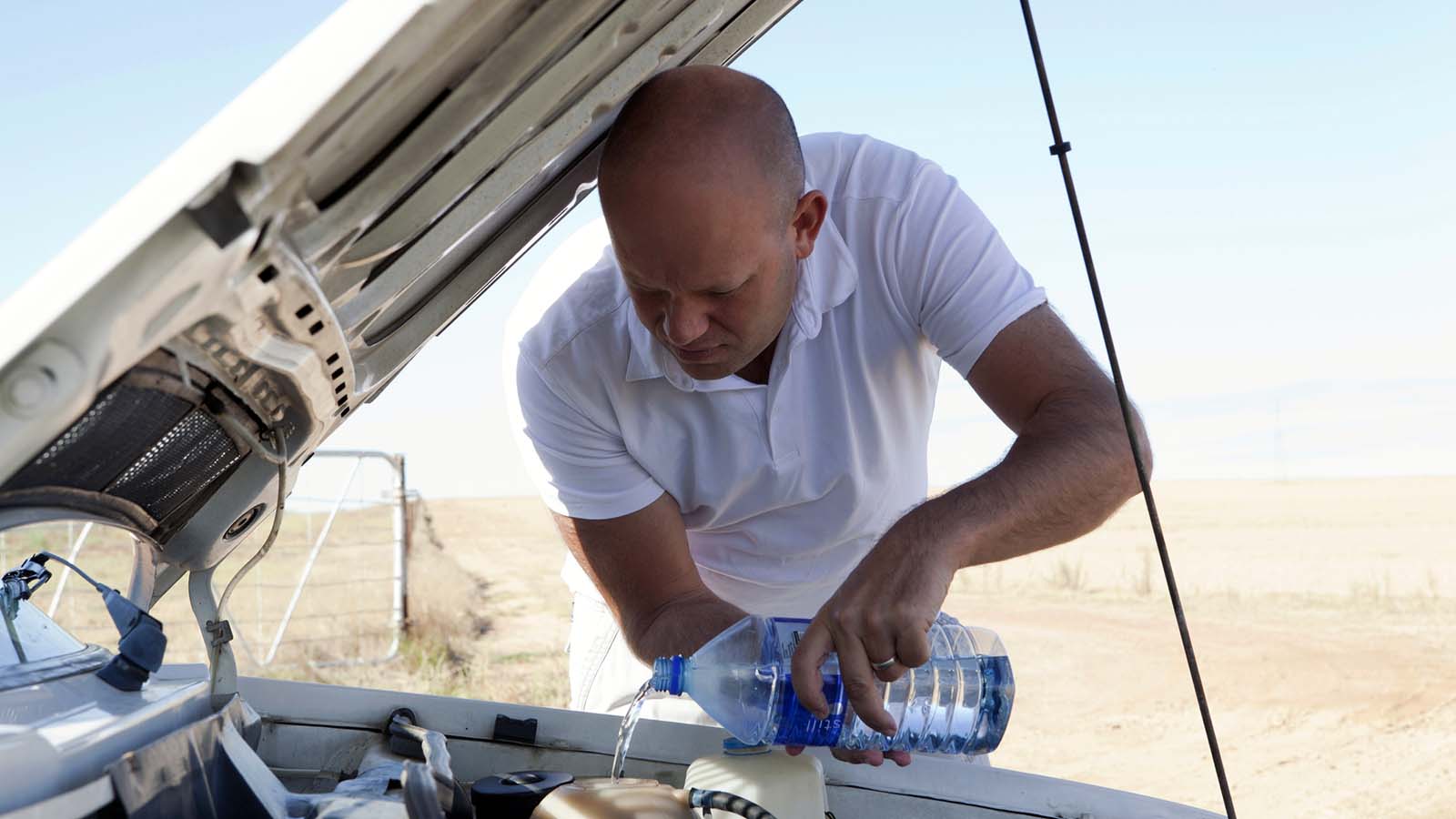
You can add water to a coolant reservoir in emergencies, but it’s not advisable for long-term use. Pure water can’t maintain proper engine temperature as effectively as a coolant mixture.
Understand the importance of the coolant in your vehicle’s engine. The coolant reservoir, often referred to as the overflow tank, plays a critical role in your car’s cooling system, ensuring your engine operates at the optimal temperature. While it might be tempting to use plain water in a pinch, especially if you’re out of coolant, doing so could lead to potential risks such as rust, corrosion, and in extreme climates, freezing or overheating.
The ideal coolant mixture of antifreeze and water optimizes heat transfer, prevents freezing, and raises the boiling point. Introducing water into the coolant loop should be a temporary fix until you can acquire the appropriate antifreeze mixture to safeguard your engine’s longevity and efficiency. Remember, maintaining your car with the correct coolant mixture ensures peak performance and prevents costly repairs down the line.
The Role Of Coolant In Your Vehicle
The Role of Coolant in Your Vehicle is vital. It keeps the engine running at the right temperature. It stops the engine from getting too hot or freezing. Coolant also stops rust and helps with heat transfer. If you’re ever tempted to just use water, read on to understand why coolant is a much better choice.
Coolant Vs. Water: Composition Differences
Coolant isn’t just water. It has special chemicals. These chemicals raise the boiling point and lower the freezing point. This means your car can handle more extreme temperatures without any trouble.
Thermal Properties And Engine Protection
Engines get hot. Coolant can absorb more heat than water, which prevents overheating. It’s like a super sponge for heat, helping to keep your engine safe and cool.
Corrosion Prevention And Additives In Coolant
Coolant has extras that protect your engine. These extras fight off rust and keep everything running smoothly. They’re like a shield for your car’s insides, stopping damage before it can start.

Credit: goodcar.com
Risks Of Using Water As A Substitute
While topping off your coolant with water might seem like a quick fix, it could lead to significant issues. Understanding the risks associated with using water instead of coolant is essential for maintaining your vehicle’s health.
Boiling Point Concerns And Overheating
Engine coolant has a higher boiling point than water. This trait helps prevent your car from overheating. Regular water boils faster, especially under engine stress, leading to potential engine damage.
Freezing Point Issues And Winter Risks
In cold weather, water’s freezing point increases risks. Ice can form in the engine, causing cracks and severe damage. Coolant is designed to remain liquid, safeguarding engine components.
Water’s Lack Of Corrosion Inhibitors
Unlike coolant, water does not contain corrosion inhibitors. This omission can lead to rust and corrosion inside your engine. Corrosion damages are often costly to repair.
Temporary Measures: When Water Is Okay
Running low on coolant? You might think about adding water to your car’s coolant reservoir. Doing this could get you out of trouble, but only for a short time. Here’s what you need to know about using water temporarily.
Emergency Situations: Short-term Fixes
Your car’s engine needs to stay cool. In a pinch, pouring water into the coolant reservoir can help. This solution works best for:
- Getting to the nearest garage for proper repairs
- Avoiding engine damage when stranded
- Short drives until proper coolant can be added
Mixed Usage: Diluting The Coolant With Water
Combining water with antifreeze creates a temporary fix. This mix helps your car in two ways:
- Keeps engine cool by improving heat transfer
- Protects against corrosion with coolant’s additives
Never exceed 50% water in the mix to avoid reducing the coolant’s properties.
Climate Considerations When Using Water
Your local weather plays a part in this decision. Too much water in freezing conditions can lead to:
| Weather Condition | Result |
|---|---|
| Freezing Temperatures | Ice forming in the system |
| Hot Weather | Water evaporation and reduced cooling |
For the best care of your car, use distilled water to avoid mineral deposit build-up.
Proper Coolant Use And Maintenance
Keeping your car’s cooling system running smoothly requires regular maintenance and proper use of coolant. This vital liquid regulates the temperature of your car’s engine, preventing it from overheating. Let’s dive into how to check, maintain, and select the right coolant to ensure your vehicle’s long-term health.
Checking Coolant Levels Regularly
Monitoring the coolant level in your car is a simple yet essential task. Here’s how:
- Find the coolant reservoir. It’s usually a transparent bottle on the side of the engine bay.
- Check the markings. Compare the coolant level to the labeled full and low indicators.
- If levels are low, fill it to the proper line with a mix of water and coolant.
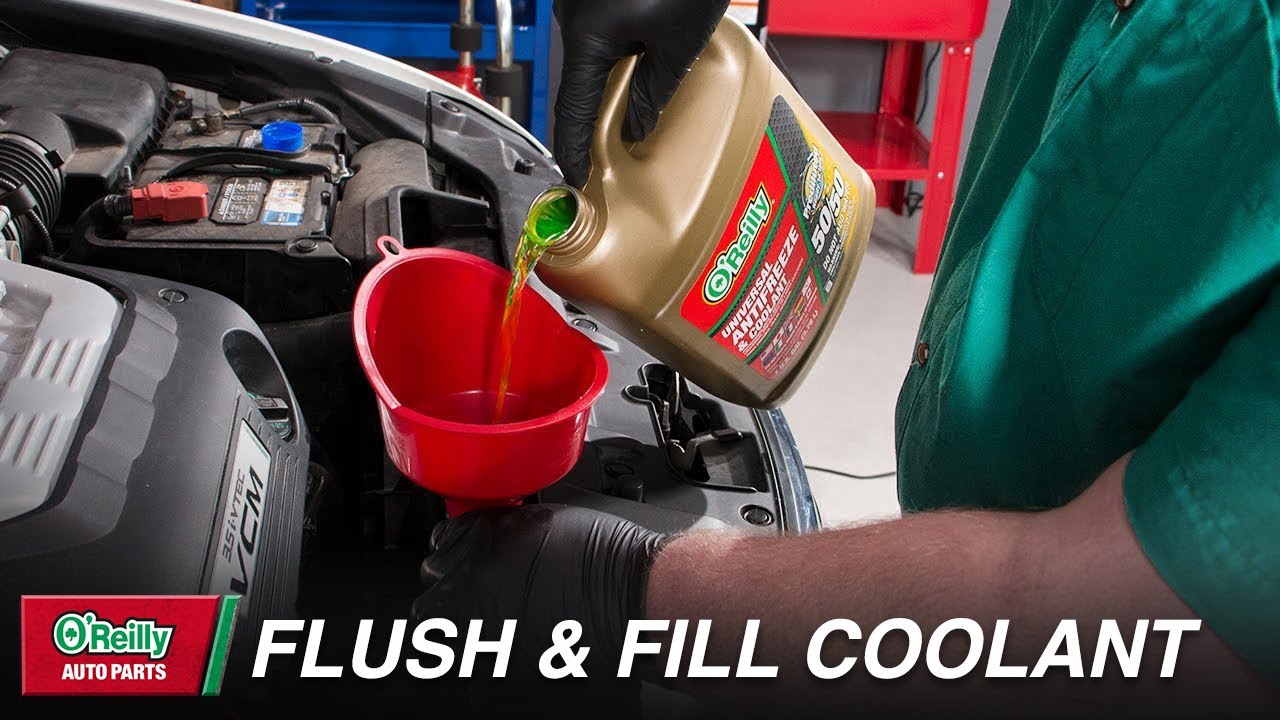
Coolant Flushes: How And When To Do Them
A coolant flush renews your car’s cooling system. Here’s why it’s key:
- Removes rust and scale deposits that can clog the cooling system.
- Prevents corrosion of cooling system components.
- Ensures optimal engine performance and longevity.
Aim for a coolant flush every 30,000 miles or as recommended in your vehicle’s manual.
Choosing The Right Coolant For Your Vehicle
Not all coolants are equal. Select one that’s specific to your vehicle:
| Type | Color | Compatibility |
|---|---|---|
| Inorganic Additive Technology (IAT) | Green | Older models |
| Organic Acid Technology (OAT) | Orange, red, yellow | Many modern cars |
| Hybrid Organic Acid Technology (HOAT) | Orange or yellow | Wide range of vehicles |
Always check your owner’s manual or consult with a mechanic before selecting a coolant.
Professional Advice And Best Practices
Professional Advice and Best Practices guide drivers on the dos and don’ts concerning vehicle maintenance. One question often asked is: Can I put water in coolant reservoir? This section provides clear, expert-backed insights on the matter.
Consulting The Owner’s Manual
The owner’s manual is your first point of reference. It details specific requirements for your vehicle’s coolant system. Some manuals may state that adding water is acceptable in emergency situations, while others emphasize using only manufacturer-recommended coolant mixtures.
Seeking Expert Opinions
- Mechanics stress the importance of using the right coolant type.
- Pure water can cause corrosion and reduce efficiency.
- Distilled water can be used occasionally to top off, but not as a permanent solution.
- Adverse conditions demand coolant with antifreeze properties.
Long-term Vehicle Care And Coolant Use
Maintaining an optimal coolant-to-water ratio maximizes engine life. Ignore this, and you risk engine overheating and severe damage. Follow these best practices:
- Regularly check coolant levels and inspect for leaks.
- Keep a 50/50 mix of coolant and distilled water.
- Perform routine coolant system flushes.
Credit: auto.howstuffworks.com
Frequently Asked Questions On Can I Put Water In Coolant Reservoir
Can I Use Water Instead Of Coolant?
Pure water isn’t recommended for cooling systems. While it can transfer heat, it lacks additives that prevent corrosion, lubricate the water pump, and increase boiling points. For emergencies, use distilled water temporarily. Always prefer a mix of antifreeze and water for optimal performance.
What Happens If I Add Water To The Coolant Reservoir?
Adding water to the coolant reservoir can dilute the antifreeze mixture, which reduces its effectiveness. In climates with extreme temperatures, this can lead to freezing or overheating. For top-ups, use a 50/50 mix of water and antifreeze.
Is It Safe To Just Add Coolant Without Water?
Coolant should be used as directed, often mixed with water. Using 100% coolant can be less effective at heat transfer and may harm the engine. Follow the manufacturer’s guideline for the correct coolant-to-water ratio, usually 50/50.
How Often Should I Refill My Coolant Reservoir?
Check coolant levels regularly, at least twice a year. Refill if the level drops below the minimum line on the reservoir. Always inspect for leaks or other issues if the coolant level drops frequently.
Conclusion
To wrap things up, topping up a coolant reservoir with water is a temporary fix. Always aim for a proper 50/50 antifreeze and water mix for optimal engine performance and protection. Remember, regular maintenance checks prevent overheating and keep your vehicle running smoothly.
Stay safe and proactive with your car care!