Can You Drive With a Broken Belt Tensioner?
No, driving with a broken belt tensioner is unsafe and can cause additional engine damage. Immediate repair is crucial to prevent further issues.
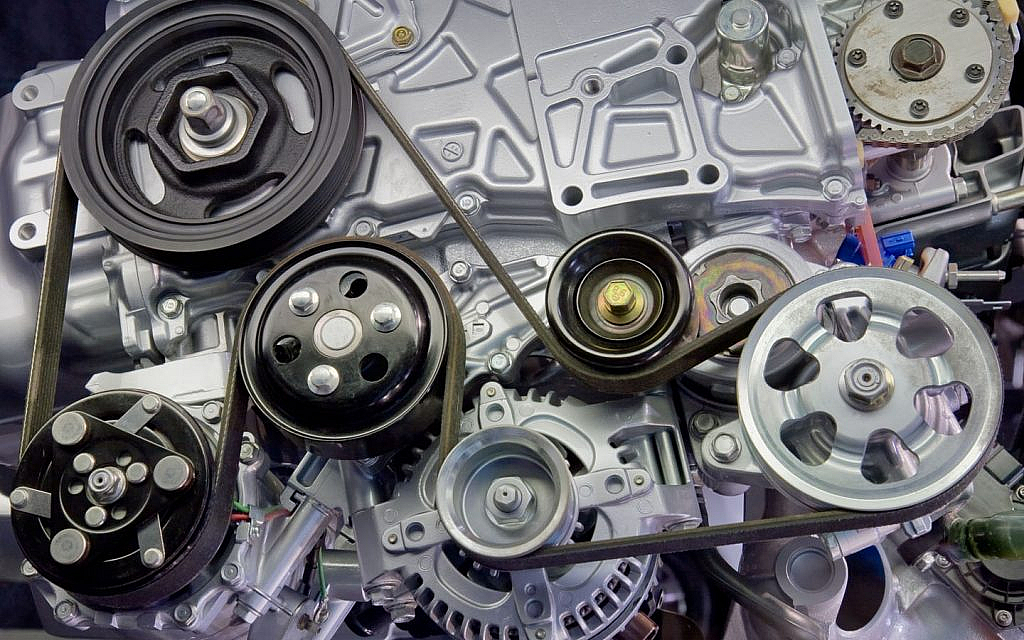
Driving with a malfunctioning belt tensioner compromises vehicle safety and can lead to severe engine problems. The belt tensioner maintains the correct tension on the engine’s serpentine belt, which drives multiple accessories like the alternator, power steering pump, and air conditioning compressor.
A failure in the tensioner may cause the belt to slip or break, leading to a sudden loss of these essential functions and potential engine overheating. Ensuring your vehicle operates reliably involves addressing such critical components promptly. Ignoring a defective belt tensioner can lead to costly repairs and jeopardize your on-road safety. Regular maintenance and immediate attention to any signs of tensioner issues are key strategies for responsible vehicle ownership and safe driving experiences.
The Role Of A Belt Tensioner
Introduction about the Role of a Belt Tensioner
A belt tensioner plays a pivotal role in your car’s engine. Its primary job is to keep the serpentine belt tight. This prevents the belt from slipping on pulleys. With a proper tension, all connected components run flawlessly. Without a functioning tensioner, driving could become a risk.
Critical Functions of the Belt System
Critical Functions Of The Belt System
The belt system in your car is essential. To understand its importance, consider these points where it powers vital components such as:
- Alternator: Charges the battery
- Water Pump: Circulates coolant
- Power Steering Pump: Aids steering effort
- Air Conditioning Compressor: Cools the interior
These systems rely on the belt to function. A failed belt tensioner could mean these systems fail too.
Common Signs of a Failing Tensioner
Common Signs Of A Failing Tensioner
Spotting a failing belt tensioner is crucial. It ensures you address the issue before it leads to a breakdown.
| Sign | What It Means |
|---|---|
| Squealing noises | Slipping belt due to weak tension |
| Visible belt wear | Tensioner not managing belt strain |
| Battery warning light | Alternator not being driven properly |
| Overheating engine | Water pump could be malfunctioning |
Pay attention to these signs to prevent further engine damage. Consult a mechanic for a detailed inspection.
Risks Of Driving With A Faulty Tensioner
Imagine driving, and suddenly you hear a loud noise from under the hood. Your car starts to act strange. This may be a sign of a faulty belt tensioner. Let’s discuss the risks involved in ignoring this problem.
Potential Damage To The Engine
A broken belt tensioner can lead to severe engine damage. The belt tensioner maintains the right pressure on the serpentine belt. This belt ensures that vital components like the alternator, water pump, and power steering pump work properly. If tension is lost, these parts may fail. Here’s how a faulty tensioner impacts your engine:
- Overheating: Without proper belt tension, the water pump won’t circulate coolant, causing your engine to overheat.
- Battery drain: A slipping belt prevents the alternator from charging the battery, risking a dead battery.
- Lack of power steering: Harder steering could lead to loss of vehicle control.
Safety Concerns On The Road
Ignoring a broken belt tensioner can also be a safety hazard. A sudden belt snap could mean:
- Unexpected breakdown: Being stranded with a stalled engine is risky, especially in traffic.
- Accidents: If power steering fails, maneuvering can become difficult, increasing the chance of accidents.
- Damage to other components: A flailing broken belt may harm other under-hood components.
Driving with a faulty tensioner is never worth the risk. If you suspect an issue, have it checked by a professional mechanic right away.
Assessing The Severity Of Tensioner Damage
Understanding the extent of tensioner damage is critical for safe driving. The belt tensioner keeps the engine’s serpentine belt taut. A functioning tensioner ensures smooth accessory operation. Ignoring tensioner damage can lead to engine problems. This section helps assess the severity of tensioner damage.
Minor Wear And Immediate Risks
Listen for unusual noises. A chirping or squealing sound can signal minor wear. Check for visual damage, such as small cracks or looseness. If the tensioner shows minor wear:
- Drive with caution
- Plan for a quick replacement
- Monitor the tensioner regularly
Don’t delay repairs. Minor wear can lead to significant damage. A worn tensioner affects the belt. This can halt the power steering, air conditioning, and even the charging system.
Complete Failure Scenarios
A broken tensioner can be dangerous. Complete failure risks include:
| Failure Impact | Driver Action |
|---|---|
| Overheated engine | Stop driving immediately |
| Dead battery | Prepare for loss of electrical power |
In complete failure cases, stop driving. Seek professional help. The vehicle becomes unsafe. Prioritize repairs to prevent engine damage. Always monitor the engine’s temperature gauge. Act fast at the first sign of trouble.

Credit: m.youtube.com
Temporary Measures If You Must Drive
Encountering a broken belt tensioner is a serious matter. Your vehicle might still function, but it’s on borrowed time. Before you decide on the next steps, let’s explore what you can do if driving is unavoidable.
Short-term Fixes
Getting from Point A to Point B can be daunting with a broken tensioner. Thankfully, some temporary fixes might help:
- Hose Clamp and Zip Tie Method: This can apply some tension but won’t last long.
- Diy Belt Shortening: If the belt isn’t severely damaged, shortening it could provide a brief fix.
- Manual Tension: Using tools to manually apply pressure may work momentarily.
Remember, these are stop-gap measures. They allow movement to safety or a repair shop, not long journeys.
Understanding The Limitations Of Quick Repairs
Time is of the essence with quick fixes. Such repairs only offer limited reliability and could lead to further damage if pushed beyond their capability. Keep in mind:
- Quick fixes might not withstand high engine loads.
- Temperature fluctuations can weaken these solutions.
- Speed and distance should be kept to a minimum.
- Permanent repairs should be sought immediately.
Prioritizing safety is paramount. Limit driving as much as possible and seek a professional repair swiftly.
Long-term Solutions
Driving with a broken belt tensioner is a no-go. It can damage your car badly. Think about how to fix this for good. Here’s what to do:
Replacing The Belt Tensioner
Get a new belt tensioner right away. This is your best bet for a long-term fix. Here’s a step-by-step guide:
- Turn off your car.
- Find the belt tensioner.
- Take out the old tensioner.
- Put in the new one.
- Make sure it’s tight and right.
The new tensioner will keep your belt tight. Your car will thank you for it!
Regular Maintenance To Prevent Future Breakdowns
A little care can save you lots of trouble. Here’s how to keep your tensioner in tip-top shape:
- Check your tensioner often.
- Look for signs of wear or damage.
- Listen for weird noises.
Sticking to a schedule can prevent breakdowns. Treat your tensioner well, and it’ll do the same for you.
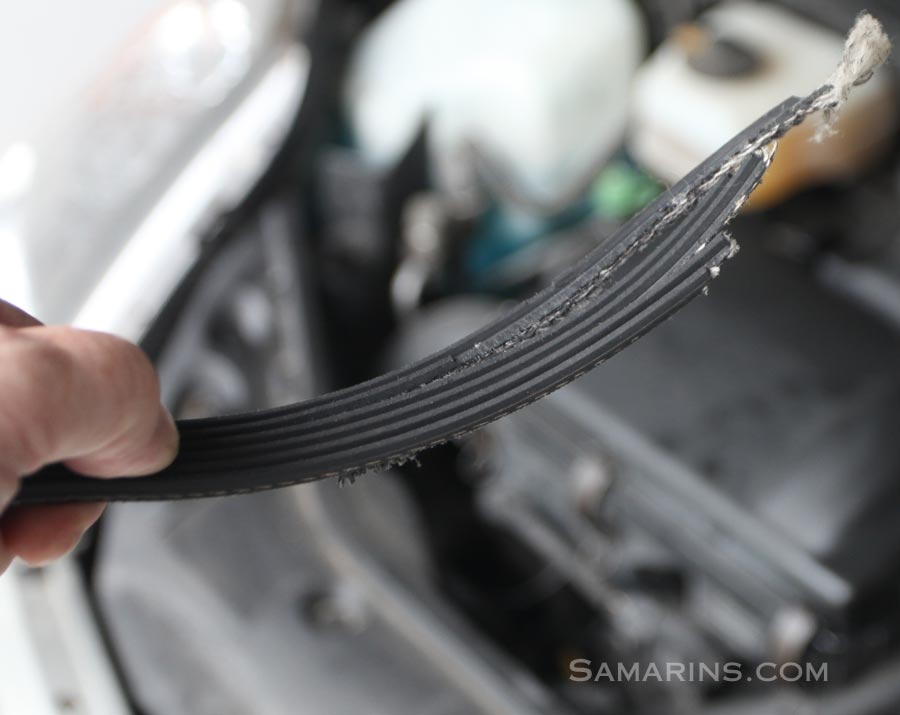
Credit: www.samarins.com
Legal And Insurance Implications
Legal and insurance implications are essential topics for drivers with a broken belt tensioner.
Understanding the rules and protections in place can save you from legal trouble and financial loss.
Traffic Laws and Broken Components
Traffic Laws And Broken Components
Driving with a failed belt tensioner is risky.
It could lead to engine failure while on the road.
Traffic laws mandate that vehicles must be safe to operate.
- Your car must not pose a risk to others.
- Broken car parts could violate these laws.
Police officers can issue tickets for unsafe vehicles.
Your car might get towed if it’s deemed unsafe.
Insurance Coverage for Mechanical Failures
Insurance Coverage For Mechanical Failures
Most insurance policies do not cover mechanical breakdowns.
But some insurers offer additional mechanical breakdown insurance (MBI).
- MBI may cover the costs of a broken belt tensioner.
- Check your policy or ask your agent about MBI.
Without proper coverage, you could pay out of pocket for repairs.
Always review your insurance options annually.
Frequently Asked Questions For Can You Drive With A Broken Belt Tensioner?
What Is A Belt Tensioner’s Purpose In A Vehicle?
A belt tensioner maintains the serpentine belt’s correct tension. This ensures smooth operation of engine components like the alternator and A/C compressor. Its proper function is critical for vehicle performance.
Can Driving With A Faulty Tensioner Cause Damage?
Yes, driving with a broken belt tensioner can cause significant damage. It leads to belt slippage or breakage. This can result in engine overheating, loss of power steering, and electrical charging system failure.
How To Identify A Failing Belt Tensioner?
Signs of a failing tensioner include squeaking or rattling noises, visible belt wear or damage, and tensioner arm movement. If the tensioner pulley is misaligned or seized, it’s a clear indicator it’s time for replacement.
What Immediate Steps Should Be Taken If A Tensioner Breaks?
If a tensioner breaks while driving, pull over safely and turn off the vehicle. Continuing to drive can lead to engine damage. It’s advisable to call for roadside assistance or a tow to a repair shop.
Conclusion
Driving with a faulty belt tensioner is risky. It compromises vehicle safety and performance. Immediate repair is recommended to avoid further damage. Consult a professional for a swift fix. Maintain regular vehicle check-ups to prevent such issues and ensure a safe drive every time.