Bad Abs Sensor Symptoms
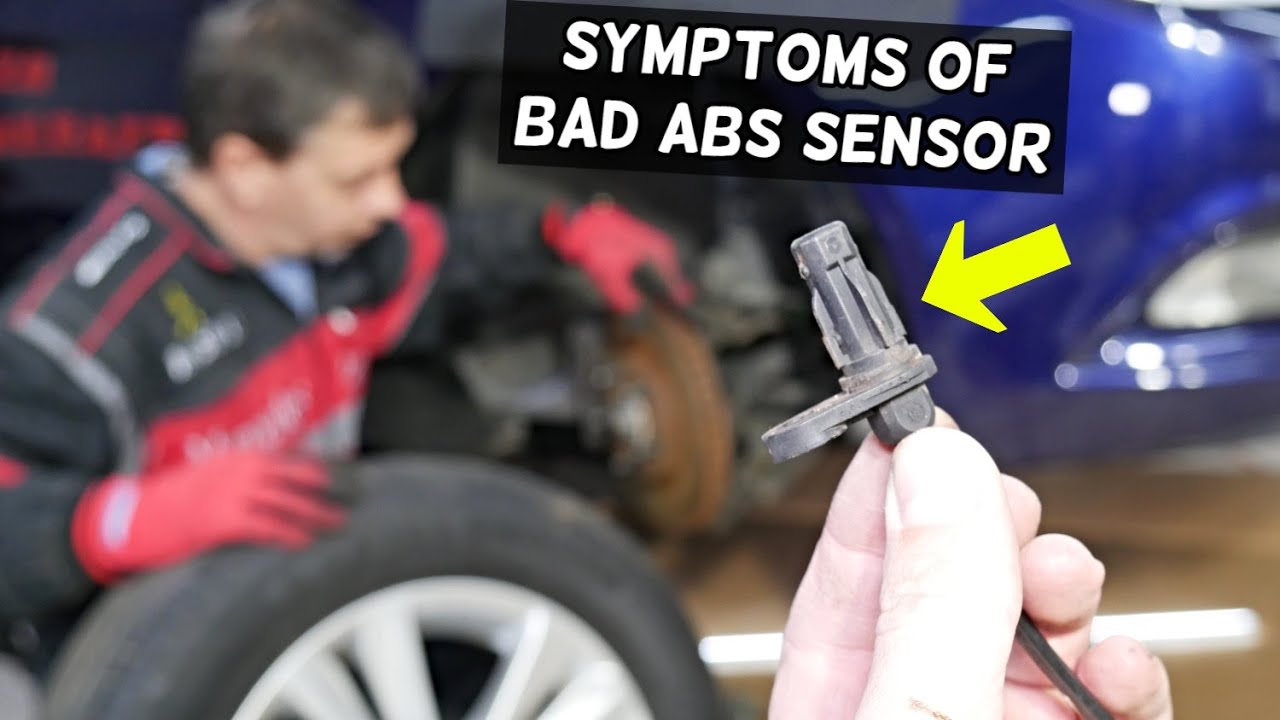
Bad ABS sensor symptoms include inconsistent brake operation and the ABS light turning on. These signs indicate a potential failure in the anti-lock braking system.
A vehicle’s ABS sensor plays a critical role in road safety by ensuring proper functioning of the anti-lock braking system. Noticeable symptoms of a failing ABS sensor can disrupt the harmony of your ride. A malfunctioning sensor often triggers the dedicated warning light on the dashboard, alerting the driver to a diagnostic necessity.
In addition, you might experience braking irregularities such as unanticipated lockups or a lack of the pedal response expected under normal conditions. Addressing these symptoms quickly is key to maintaining optimal safety and performance of your vehicle. Regular checks and prompt attention to any erratic brake behavior can prevent more serious issues within the intricate network of your car’s safety systems.
Identifying A Faulty Abs Sensor
When an ABS sensor fails, your car’s safety is at risk. Symptoms can vary, but some signs are clear indicators that your vehicle’s Anti-lock Braking System (ABS) needs attention. Stay alert for these symptoms to ensure immediate repairs and maintain road safety.
Illuminated Abs Light
The most obvious sign of a faulty ABS sensor is the ABS warning light on your dashboard. When this light turns on, it suggests a problem within the ABS. Don’t ignore this warning, as it could mean the difference between stopping safely or a potential accident.
Erratic Speedometer Behavior
Another symptom to watch for is unpredictable speedometer readings. A damaged or dirty ABS sensor may send incorrect signals, causing the speedometer to jump around or read incorrectly. This confusion can compromise your driving decisions and needs prompt resolution.
Regular maintenance and being aware of these symptoms can save times and help avoid costly repairs. If any of these symptoms surface, have a professional inspect your ABS as soon as possible.
Braking Performance Issues
The ABS, or Anti-lock Braking System, is key to safe driving. Bad ABS sensor symptoms can lead to dangerous braking performance issues. Let’s explore the most common symptoms and their effects on your vehicle.
Unresponsive Brake Pedal
An ABS sensor malfunction can cause an unresponsive brake pedal. Signs include:
- Hard-to-press brake pedal
- Delay in braking response
- Lack of pedal feedback
Immediate attention is needed to prevent potential accidents.
Inconsistent Braking
Inconsistent braking can shock drivers, as it:
- Varies brake power
- Causes sudden stops
- Produces uneven brake wear
This can lead to loss of control, especially in wet or slippery conditions. Regular maintenance is crucial for safe driving.
Traction Control Problems
An ABS sensor plays a crucial role in vehicle safety systems. When this sensor fails, it can lead to notable traction control issues. The traction control system helps to prevent wheel slip and maintain stability. Recognizing bad ABS sensor symptoms is essential for safe driving. Let’s explore some common symptoms related to traction control problems caused by a faulty ABS sensor.
Loss Of Traction Control
Loss of traction control is a telltale sign of ABS sensor issues. This system relies on accurate wheel speed readings to function. Here’s what happens when the sensor goes bad:
- Skidding: The car might skid during braking.
- Wheel spin: The wheels could spin when accelerating.
- Reduced grip: The car may not grip the road properly in poor conditions.
Traction Control System Errors
The car’s dashboard might display traction control system errors if there’s an ABS sensor fault. Symptoms include:
- Warning lights: The traction control or ABS warning light illuminates.
- Error messages: Some cars show a traction control error message.
- System deactivation: Some cars may shut down the traction system to prevent damage.
Credit: www.yourmechanic.com
Impact On Vehicle Stability
A bad ABS sensor has a significant effect on car safety. The Anti-lock Braking System (ABS) plays a crucial part in keeping a vehicle stable during braking. A faulty ABS sensor disrupts this harmony, putting the car and its passengers at risk due to unpredictable handling and increased chances of skidding.
Reduced Handling
Unsafe handling is a big red flag. When an ABS sensor malfunctions, you might notice that the steering feels less responsive. It becomes harder to navigate turns or avoid potential road hazards. This heightened difficulty in controlling the vehicle can lead to unsafe driving situations.
- Erratic braking response: Brakes may not engage smoothly or evenly.
- Poor traction control: Tires may lose grip during braking maneuvers.
- Trouble in adverse weather: Slippery roads make handling worse with a faulty sensor.
Increased Skidding Risk
Expect more skidding with a bad ABS sensor. It’s supposed to help prevent the wheels from locking up during intense braking, especially on slick surfaces. Without accurate data from the sensor, ABS fails to regulate the brake pressure appropriately, leading to potential skids.
| Condition | Skidding Likelihood |
|---|---|
| Wet Roads | High |
| Loose Gravel | Moderate to High |
| Snowy Condition | Very High |
The increased risk isn’t just about a full loss of control. Even slight skidding can scare drivers. It may cause overcorrection. This overreaction leads to worse outcomes. Staying aware of your vehicle’s behavior is key to identifying a problem early on before stability is compromised.
Diagnostic Steps For Abs Issues
Understanding ABS (Anti-lock Braking System) issues can be tricky. Below are proven diagnostic steps to identify and fix ABS problems. These steps are essential for safety and performance.
Using A Scan Tool
A scan tool is a quick way to check ABS issues. Follow these steps to use it effectively:
- Connect the scan tool to the OBD-II port of your car.
- Turn the ignition to the “on” position.
- Follow the scan tool instructions to read ABS codes.
These codes will reveal potential issues. Keep a record of the codes for further diagnosis.
Physical Inspection Of Sensors
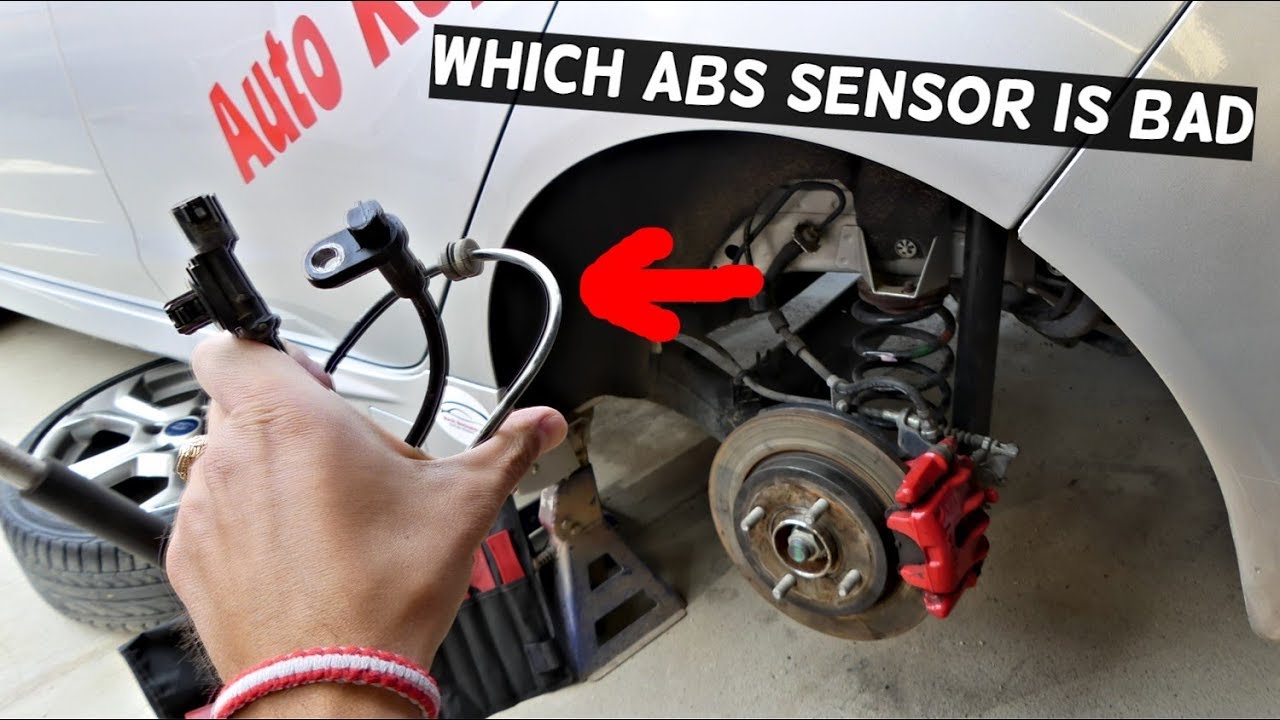
Physical inspection is crucial for finding problems. Use these steps to inspect ABS sensors:
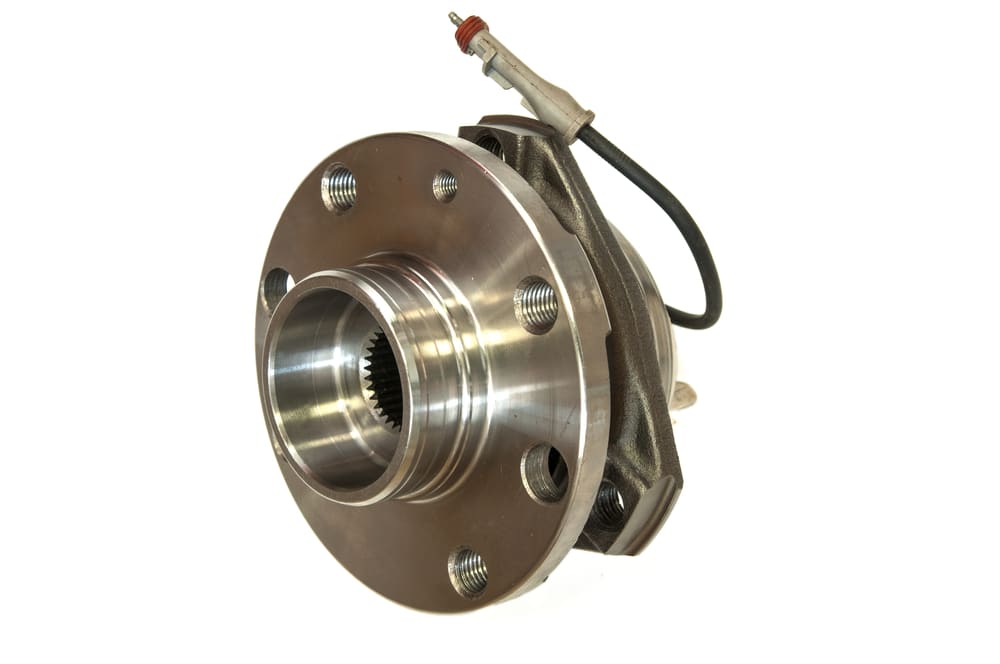
- Locate each wheel’s ABS sensor behind the tire.
- Check for damage or debris on the sensors.
- Inspect the sensor wires for cuts or wear.
Ensure each sensor is clean and securely connected. Damage or disconnection can cause system failures.
Credit: m.youtube.com
Frequently Asked Questions On Bad Abs Sensor Symptoms
What Are Common Bad Abs Sensor Symptoms?
Brake lights that stay on, unexpected braking, and loss of traction control signal common bad ABS sensor symptoms. These signs often lead to poor braking performance.
Can A Faulty Abs Sensor Trigger Warning Lights?
Yes, a faulty ABS sensor can trigger the ABS warning light on your dashboard. It’s an immediate indication that the ABS sensor may need inspection or replacement.
How Does A Bad Abs Sensor Affect Braking?
A bad ABS sensor impairs the anti-lock braking system, which can result in uncontrolled wheel lockup during braking. This increases the risk of skidding and accidents.
Will A Car Pass Inspection With A Bad Abs Sensor?
In many regions, a car will not pass inspection with a bad ABS sensor. Active warning lights or dysfunctional ABS usually result in a failed inspection.
Conclusion
Recognizing the signs of a failing ABS sensor is vital for your vehicle’s safety. From erratic speedometer readings to unresponsive braking, these indicators should prompt immediate action. Keep your car in top condition by addressing ABS issues swiftly, ensuring both your peace of mind and safety on the road.