How Do I Know If My Belt Tensioner Needs Replacing?
Your belt tensioner likely needs replacing if you notice unusual noises or belt slippage. A failing tensioner can also cause engine performance issues.
Understanding when to replace your belt tensioner is vital for maintaining your vehicle’s health. The tensioner ensures that the engine’s drive belts operate smoothly, providing the proper tension to avoid slippage and maintain accessory operation. Common signs include a squeaking or grinding noise coming from the belt area, visible wear or cracks on the tensioner itself, or a misaligned belt.
Diagnosing these symptoms early can prevent further damage to your vehicle’s engine and save on extensive repairs. Regular inspections by a professional can also help in detecting tensioner wear before it leads to a breakdown. Proper maintenance and timely replacement will keep your vehicle running optimally and secure from unexpected belt-related failures.
Signs Of A Faulty Belt Tensioner
Your vehicle relies heavily on a properly working belt tensioner. This critical component keeps the serpentine belt tight, ensuring smooth operation of various parts. Noticing the signs of a faulty tensioner early can save you from a breakdown. Let’s explore these signs:
Unusual Noises From The Engine Bay
One of the most obvious signs of a bad belt tensioner is strange noises coming from the engine bay. These sounds may include:
- Squeaking during engine start or while turning.
- Chirping that varies with engine speed.
- Rattling or knocking sounds, indicating a loose tensioner.
Visible Wear And Tear
Over time, a tensioner can exhibit clear physical damage. To inspect for visible wear:
- Open the engine bay when the engine is cool.
- Locate the belt tensioner.
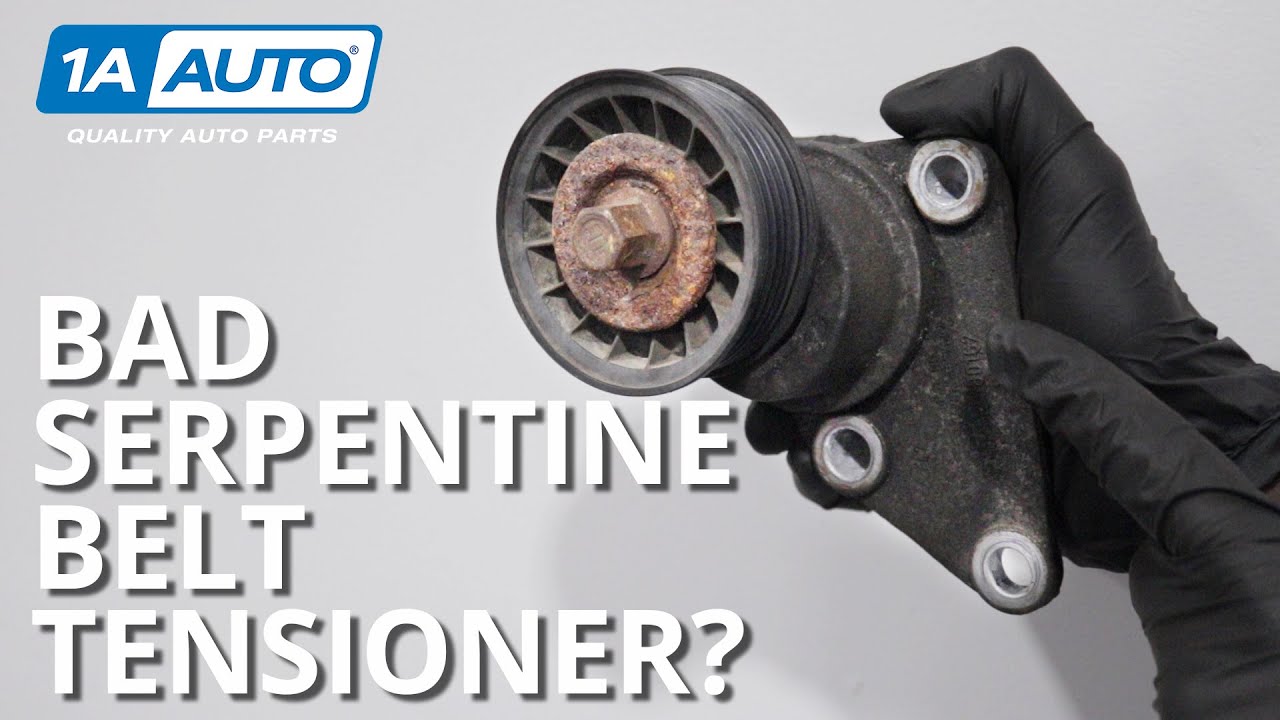
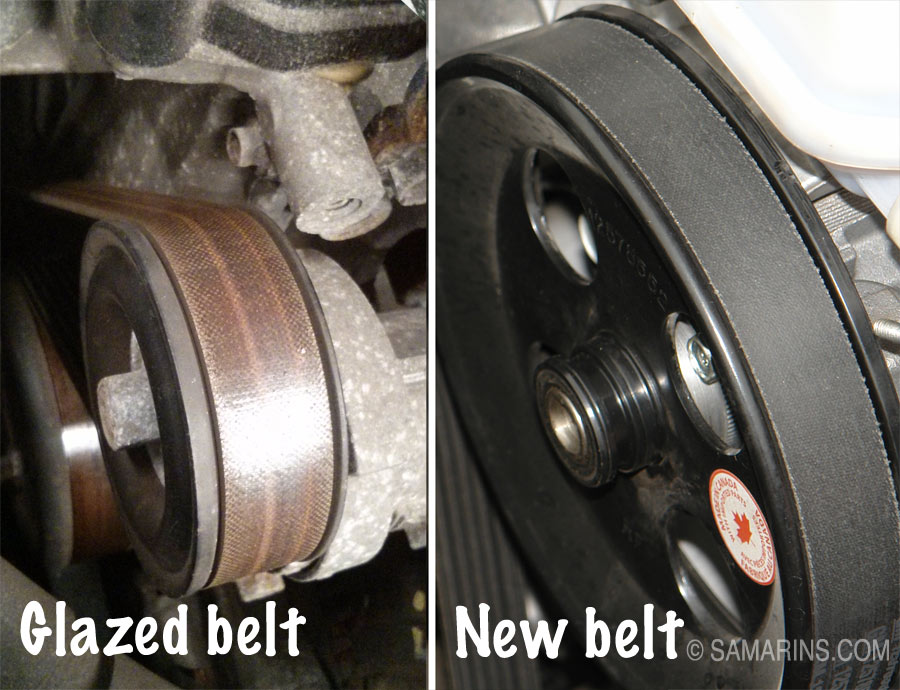
- Check for cracks, rust, or wear on the pulley and arm.
If any damage is visible, replace the tensioner promptly to prevent further issues.
Credit: www.samarins.com
Impact On Vehicle Performance
Is your vehicle acting up? It might be the belt tensioner. This key part ensures smooth operation of car accessories. When it fails, problems arise fast. Know the signs and keep your ride running right.
Decreased Accessory Efficiency
Your vehicle relies on a serpentine belt. This belt powers important parts. If the belt tensioner weakens, the belt slips. When this happens, accessory performance drops. This could mean:
- Dim headlights
- Weak air conditioning
- Power steering issues
- Slow window operations
These symptoms suggest a tensioner check is due.
Potential For Overheating
A faulty tensioner can lead to disaster. The belt drives the car’s water pump. If the belt can’t grip, cooling fails. Overheating engines can result. Look for signs like:
- High temperature gauge reading
- Smoke from under the hood
- Coolant leaks
Act fast if you notice these. A hot engine can harm your car. Your safety can be at risk. An immediate inspection could save the day.
Belt Tensioner Inspection Tips
Ensuring your vehicle’s belt tensioner functions correctly is critical for a smooth ride. A failing tensioner can lead to belt slippage, poor engine performance, or even a breakdown. Learn key inspection tips to recognize when your belt tensioner needs attention.
Checking Belt Tension
Begin with a simple manual check. Press lightly on the belt between the pulleys. A properly tensioned belt should have a modest give, typically around half an inch. Use a belt tension gauge for precise measurements. If deflection exceeds manufacturer specifications or if the belt feels too tight, consider further examination.
Steps to check belt tension:- Locate the longest span of the belt.
- Press gently in the center.
- Measure the deflection.
- Compare it with manufacturer guidelines.
Examining Pulley And Spring Mechanism
Detecting issues with the pulley and spring requires a closer look. Examine the pulley for signs of wear or damage—grooves or abrasions on the surface can indicate trouble. The spring mechanism must retain appropriate tension. A weakened spring or a pulley that doesn’t spin freely suggests replacement may be due.
Checklist for pulley and spring:- Inpect the pulley surface for uneven wear.
- Rotate the pulley to ensure smooth motion.
- Check the spring for proper tension.
- Listen for squeaking or grinding noises.
Diligent maintenance avoids unexpected failures, so keep these tips in hand for your next inspection. Regular checks ensure your belt and tensioner operate effectively, maintaining your vehicle’s health and your peace of mind.

Credit: www.reddit.com
Consequences Of Neglecting Replacement
Ignoring a failing belt tensioner is never wise. The tensioner holds a belt tight so it can grip pulleys properly. A worn tensioner leads to havoc in the engine bay. This can cause costly damages. Let’s explore the dangers of not replacing your belt tensioner when needed.
Accelerated Belt Wear
A faulty belt tensioner fails to apply correct tension. This results in frequent belt slippage. Over time, this slippage causes excessive wear on the belt. Belts might then fray or develop cracks. The key signs of a worn belt are:
- Loud squealing noises
- Visible cracks on the belt
- Splitting or fraying of the belt edges
Ignoring these signs can lead to the belt snapping unexpectedly.
Risk Of Unexpected Breakdowns
The health of the belt tensioner is critical. A bad tensioner can’t maintain correct belt tension. This may lead to critical systems, like the alternator and water pump, failing. An unexpected breakdown could occur. This is unsafe and can lead to stranding drivers by the road.
| System Vulnerable to Failure | Potential Symptoms |
|---|---|
| Alternator | Dash warning lights, battery drains |
| Water Pump | Overheating, coolant leak |
| Power Steering Pump | Hard steering, whining noise |
Routine checks and immediate action when issues surface ensure reliability. Avoid the risks and ensure your vehicle remains dependable.
Choosing The Right Replacement
Knowing when to replace your belt tensioner is only half the battle. Choosing the correct replacement is equally important. Quality and compatibility steer your decision. When your vehicle relies upon you, taking the right steps ensures safety and performance.
Assessing Quality And Compatibility
Opt for belt tensioners that boast durability. High-quality materials ensure longevity. Check tensioners against your vehicle’s specifications. Confirm the fit is precise. This attention to detail prevents future mishaps.
- Material specifications: Review manufacturer details.
- Match model numbers: Avoid incorrect fits.
- Warranty options: Favor parts with protection.
Customer reviews reflect product reliability. They guide your purchasing decision. Good reviews imply good performance.
Considering Professional Advice
Mechanic insights are invaluable. Skilled technicians provide tailored recommendations. Their knowledge addresses specifics like regional climate effects and driving patterns.
- Seek mechanic validation: Confirm part suitability.
- Evaluate installation complexity: Determine if professional help is needed.
Invest in professional consultation to avoid costly mistakes. An expert eye catches what you might miss.

Credit: www.youtube.com
Frequently Asked Questions On How Do I Know If My Belt Tensioner Needs Replacing?
What Are Signs Of A Failing Belt Tensioner?
A failing belt tensioner often presents clear signs such as a squeaking noise, irregular belt movement, and visible belt wear. In severe cases, the engine may also vibrate excessively. Regular inspections can help detect these symptoms early.
How Often Should A Belt Tensioner Be Replaced?
Belt tensioners typically require replacement between 40,000 to 100,000 miles. However, always consult your vehicle’s maintenance guide for specific recommendations. Regular inspections can also help determine replacement needs.
Can A Bad Tensioner Affect Engine Performance?
Yes, a bad belt tensioner can significantly affect engine performance. It can lead to slipping or misalignment of the serpentine belt, which may cause poor alternator, power steering, or AC functioning, potentially even leading to engine overheating.
Is It Safe To Drive With A Worn Tensioner?
Driving with a worn tensioner is risky and not advisable as it can cause the serpentine belt to fail. This failure can lead to a sudden loss of essential functions like the power steering and alternator, compromising vehicle safety.
Conclusion
To sum up, recognizing a faulty belt tensioner is crucial for vehicle maintenance. Watch for telltale signs: unusual noises, visible wear, or tension issues. Addressing these symptoms promptly can save you from costly repairs down the line. Remember, a healthy tensioner means a smoother, safer drive.
Keep your car in top shape to ensure peace of mind on the road.