How to Fix a Starter Without Replacing It
To fix a starter without replacing it, first check and clean the electrical connections. Ensure the battery is fully charged and functioning properly.
Dealing with car starter problems can be a frustrating experience, especially when considering the cost of replacement parts. Your vehicle’s ability to start reliably is crucial to your day-to-day mobility. A starter that fails to engage often leaves drivers stranded, searching for solutions that don’t break the bank.
Fortunately, there are steps you can take to address starter issues without immediate replacement. Understanding common starter problems and their fixes can save you time and money. From ensuring a strong battery connection to troubleshooting the solenoid, these measures can be effective in restoring your vehicle’s ignition system. This introduction to starter repair offers practical insight for car owners facing starting difficulties, guiding them towards solutions that extend the life of their current starter.
Symptoms Of A Faulty Starter
The starter is key to your car’s ignition. Just like any other car component, it can fail. Knowing the symptoms helps. It can save you from being stranded. Notice these signs:
Strange Noises During Ignition
Unusual sounds are big red flags. Clicks, grinding, and whirring suggest a troubled starter. These noises occur when the starter gear is worn. Or it isn’t engaging properly. Listen carefully when you turn the key. These strange noises are often the first tell-tale signs.
Car Fails To Start
This one is obvious. You turn the key and nothing happens. The engine does not crank. A dead starter could be the culprit here. Check the battery first. If the battery is fine, then suspect the starter. Other issues may exist, of course. But a non-responsive engine often points to the starter.
Besides these symptoms, pay attention to:
- Intermittent issues starting the car
- Smoke when starting the car
- A starter that stays on after the engine has started
Use this checklist. Find early trouble signs. Act fast to avoid major car problems.
| Symptom | Possible Starter Related Cause |
|---|---|
| Noise | Damaged gear, bad connection |
| Failure to start | Dead battery, faulty starter |
Safety First
Addressing car starter troubles requires caution. This job involves electricity and moving parts. Before attempting any fix, focus on safety to protect both the vehicle and yourself. The risks are high without proper precautions. Follow these essential steps to ensure a safe repair process.
Disconnect The Battery
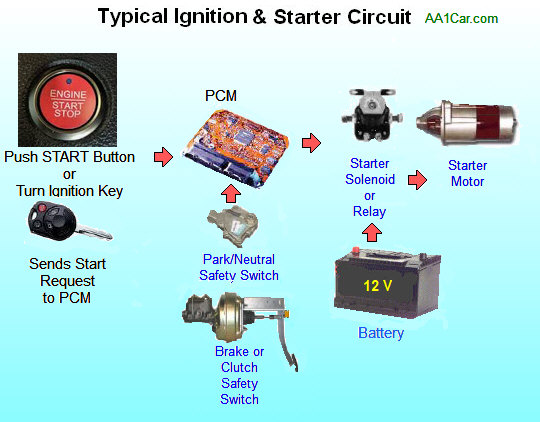
The starter is part of the car’s electrical system. To prevent shocks or shorts, disconnect the battery first. Here’s the safe way to do it:
- Turn off the engine and remove keys from the ignition.
- Locate the battery and find the negative terminal, usually with a “-” or black cover.
- Use the appropriate-sized wrench to loosen the negative terminal bolt.
- Detach the negative cable from the terminal and secure it away from the battery.
Wear Protective Gear
Handling car parts may present dangers. Sharp edges and electrical hazards can cause injury. Ensure personal safety with the right gear:
- Gloves: Protect hands from cuts and electrical risks.
- Safety goggles: Keep eyes safe from debris and fluids.
- Closed-toe shoes: Prevent foot injuries from heavy parts.
With these critical safety steps, you’re ready to tackle the starter issue safely.
Initial Diagnostics
Before swapping out your starter, it’s vital to do some digging. Quick checks can often save you time and cash. Let’s start with the basics.
Check The Battery
A weak battery is often mistaken for a bad starter. Ensure the battery has juice. Here’s a quick way to check:
- Turn on the headlights. If they’re dim, charge the battery.
- Use a voltmeter. The reading should be at least 12.6 volts.
Inspect Starter Connections
Loose or grimy connections can cause starter issues. Tighten and cleanse connections with these steps:
- Locate the starter under the car.
- Check all wires and cables for tightness.
- Clean any corrosion with a wire brush.
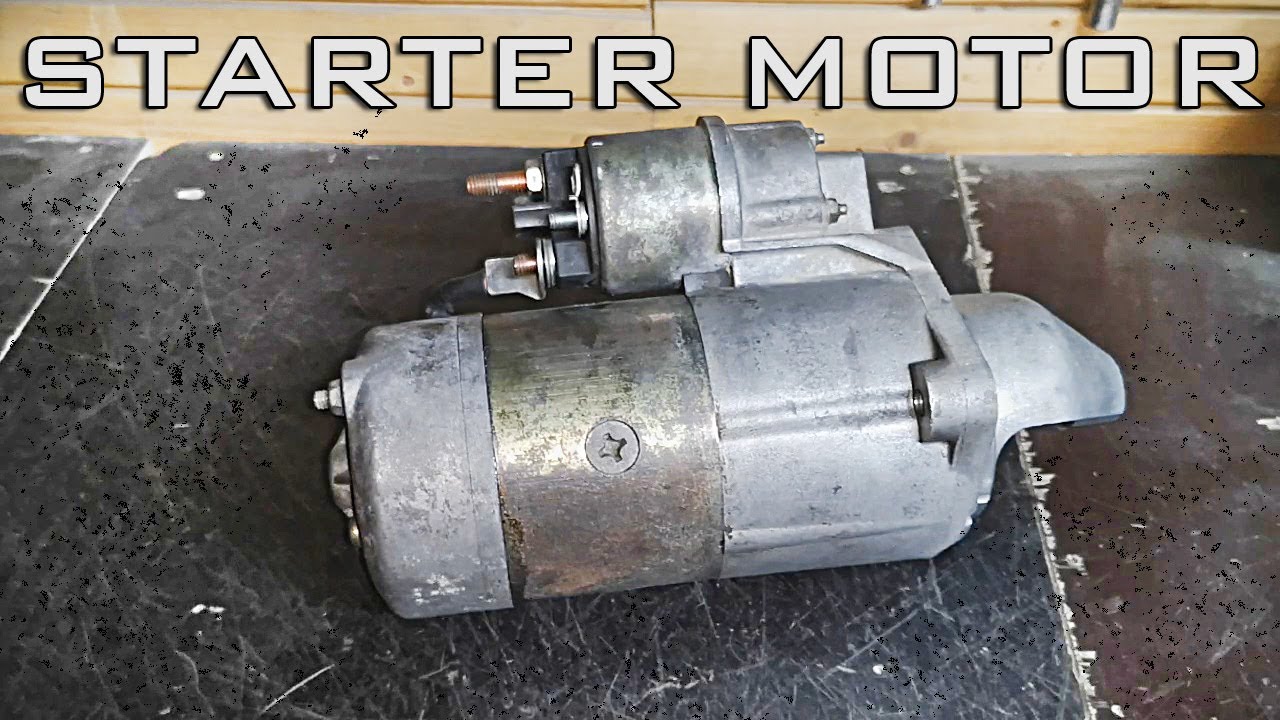
Test The Starter Solenoid
The solenoid is key to a functioning starter. To test it:
| Action | Expected Result |
|---|---|
| Locate solenoid (on or near starter). | Identify its position. |
| Use a screwdriver to bridge the connections on the solenoid. | The starter should crank. |
| Listen for a clicking sound. | Signifies a working solenoid. |
Completing these initial diagnostics helps identify the real issue. Often, simple fixes can restore your starter and get your vehicle moving again.
Cleaning And Adjustments
Think your car starter is failing? Don’t rush to replace it just yet. Sometimes, simple cleaning and adjustments can breathe new life into a finicky starter. Dirt, corrosion, and loose connections often hinder starter performance. Addressing these issues might just solve the problem. Explore these DIY tips to fix a starter without a costly replacement.
Clean Corroded Terminals
Corrosion is like a barrier for electric flow. It might stop your starter. Follow these steps to clean off the grime:
- Disconnect the battery. Safety comes first.
- Locate the starter terminals. They’re at the starter’s end.
- Use a wire brush to scrub. Corrosion should come right off.
- Reconnect the battery and try starting your car.
Tighten Loose Connections
Loose wires lead to starter trouble. Ensure all connections are snug:
- Check the starter’s wiring harness.
- Look for any loose nuts or bolts.
- Use a wrench to tighten them gently.
- Don’t over-tighten. It may damage the threads.
Lubricate The Starter Pinion
A stuck pinion can jam the starter. Proper lubrication can fix it. Here is how to do it:
- Identify the starter pinion. It’s the gear connecting to the flywheel.
- Apply a light layer of grease. This reduces friction.
- Manual rotation of the pinion can ensure an even application.
Jump Start The Solenoid
A car that won’t start can lead to a day full of headaches. Jump starting the solenoid is a quick fix that can bring your vehicle to life without a full starter replacement. This method can save time and money.
Using A Screwdriver To Jump The Starter
To start with, locate the starter solenoid. It’s usually on the starter itself. Find the two large terminals. One comes from the battery and the other goes into the starter motor.
- Turn off the ignition and all electrical components.
- Ensure the car is in park or neutral with the parking brake engaged.
- Using a insulated screwdriver, bridge the gap between the two terminals.
- Look out for a spark as the screwdriver completes the circuit. The engine may crank as a result.
Precautions When Jump Starting
Jump starting the solenoid involves risks. Always be careful.
| Precaution | Reason |
|---|---|
| Wear protective gear | Prevents electrical shocks and burns |
| Check for damage | Ensures safety from faulty equipment |
| Do not touch both terminals at the same time | Avoids a direct short which can cause injury |
- NEVER attempt if unsure. Seek professional help instead.
- Keep bystanders at a distance to maintain safety.
- Make sure the battery is in good condition before trying to jump start.

Credit: m.youtube.com
Alternative Fixes
Welcome to our latest blog post where we discuss Alternative Fixes for starter issues in vehicles. Before you decide to replace a malfunctioning starter, consider these tried-and-true methods that could breathe new life into your car’s ignition system without the cost of a complete replacement. These steps might save time and money while providing a temporary or permanent fix to your starting woes.
Tap the Starter
Tap The Starter
Occasionally, a starter motor might jam or get stuck due to internal friction or a misalignment of its internal components. Gently tapping the starter with a hammer can sometimes loosen the parts.
- Locate the starter beneath the car’s engine.
- Use a hammer to lightly tap the starter’s body.
- Avoid hitting too hard to prevent damage.
- Try to start the vehicle again.
This might free up the moving parts inside the starter, allowing it to function once more.
Adjust the Starter Mounting
Adjust The Starter Mounting
Improper alignment of the starter can lead to starting issues. Ensuring the starter mounting is correct can potentially fix the problem.
- Turn off the engine and wait for it to cool down.
- Disconnect the battery to ensure safety.
- Check the starter mount for any looseness or misalignment.
- Tighten bolts or reposition the starter, if necessary.
A precise fit helps the starter engage with the engine smoothly.
Reassembly And Testing
After troubleshooting and repairing your starter’s components, it’s time to put everything back together. Reassembly and testing ensure that the starter functions correctly without buying a new one. Let’s start by reassembling the starter parts step by step.
Reassemble The Starter Components
Follow these steps to reassemble the starter:
- Gather all the cleaned and repaired parts.
- Place the armature back into the starter housing.
- Secure the solenoid and ensure it’s correctly positioned.
- Reattach any gears or clutches that connect to the armature.
- Place the end cover and bolt it down firmly.
- Check all connections for snug fits.
These steps help you put the starter back into one piece. Make sure you don’t force any part. Proper alignment is key.
Reconnect The Battery And Start The Car
It’s time to test:
- Reconnect the battery terminals. Make sure red goes to positive (+) and black to negative (-).
- Get in your vehicle. Turn the key to the ignition position.
- Listen for the starter. It should make a healthy cranking sound.
Remember, proper assembly and clean electrical contacts help the starter work right. If the car doesn’t start, double-check all steps.

Credit: www.wikihow.com
Frequently Asked Questions Of How To Fix A Starter Without Replacing It
Can You Repair A Car Starter Yourself?
Yes, with proper tools and guidance, you can repair a car starter yourself. It’s crucial to ensure the car is off and you follow safety protocols. Identify the issue, such as loose connections or a faulty solenoid, and address it accordingly.
What Are Common Starter Issues?
Common starter issues include a dead battery, faulty starter motor, bad solenoid, or corroded electrical connections. A clicking sound when turning the key, or a whirring without the engine starting, are telltale signs.
How To Diagnose Starter Problems?
To diagnose starter problems, check the battery first, then listen for unusual sounds when starting. Inspect the starter and solenoid for visible wear or damage. A multimeter test can also help pinpoint electrical issues.
Can Jumpstarting Fix Starter Issues?
Jumpstarting can help if the problem is a dead battery. However, it won’t fix mechanical issues within the starter itself. If jumpstarting doesn’t work, the issue may lie with the starter’s internal components.
Conclusion
Tackling starter issues yourself can save both time and money. With the right tools and guidance, repairs become simple. Remember, safety first when dealing with car repairs. For more DIY auto repair tips, keep following our blog. Your feedback drives our content, so share your success stories!