Thermostat Code But Not Overheating
A thermostat code without overheating typically indicates a sensor or system communication error. It can also suggest a malfunctioning thermostat.
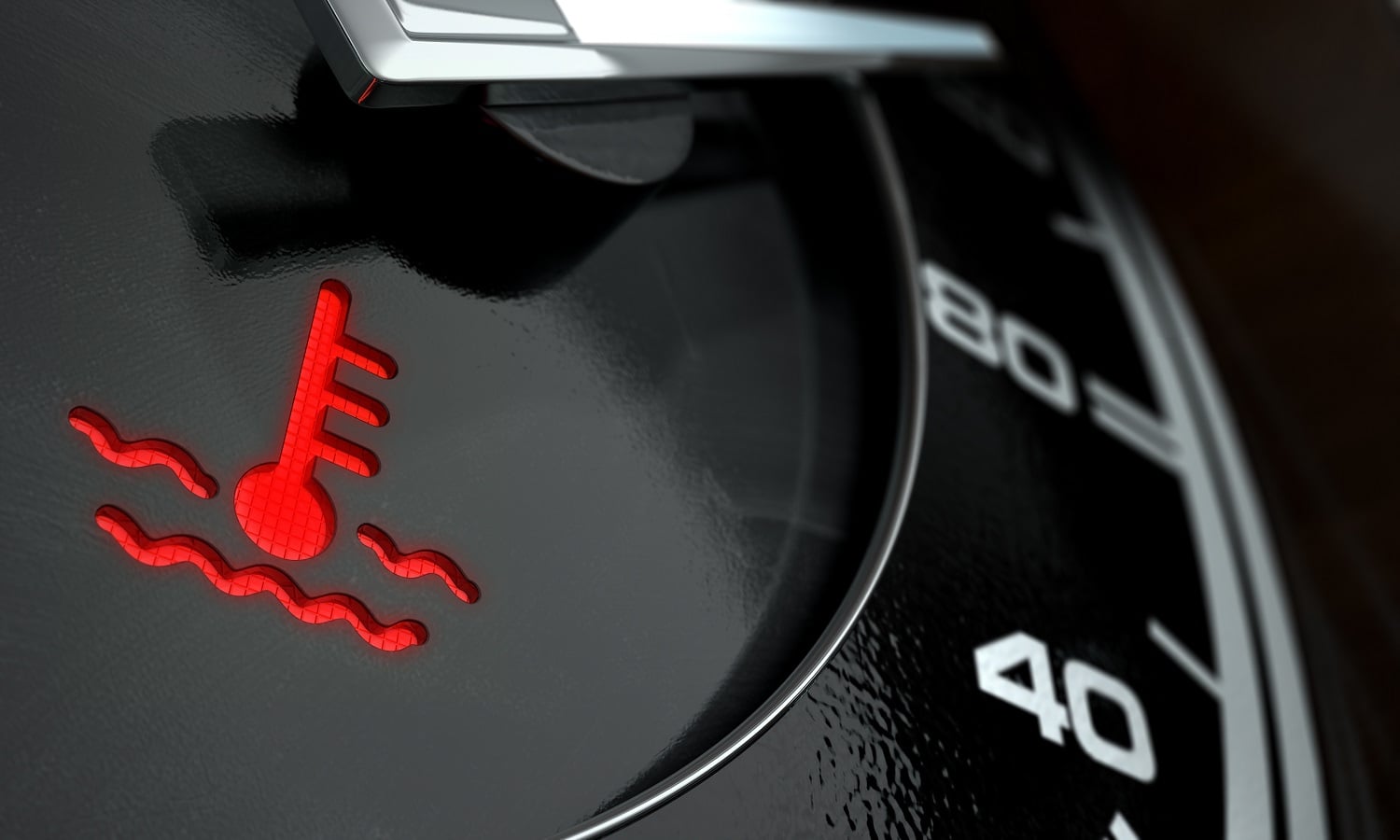
Dealing with a thermostat code when your engine isn’t overheating can be puzzling. Your car’s onboard diagnostics system has detected an issue, yet there are no apparent signs of trouble like steam from the engine or a high temperature gauge reading.
This scenario often points to a potentially faulty thermostat, which might not be opening or closing properly, or a problem with the coolant temperature sensor. The vehicle’s computer relies on these components to monitor and regulate engine temperature. When they send incorrect signals, the computer may trigger a fault code even if the car isn’t physically overheating. Immediate attention and diagnostic testing are required to prevent possible overheating in the future, ensuring your engine maintains its performance and longevity.

Credit: www.reddit.com
Misleading Thermostat Codes
Thermostats are meant to be the climate sentinels of our vehicles. Imagine glancing at your dashboard only to find a thermostat code flashing ominously. But what if the engine isn’t actually overheating? Misreadings can occur. It’s essential to understand when a thermostat code may be a false alarm.
Symptoms Of False Alarms
Not all thermostat warnings indicate true overheating. Here are several signs that might suggest a false alarm:
- Stable Temperature Gauge: The gauge stays within the normal range despite a warning.
- No Heat Issues: The vehicle interior heating system works correctly, with no fluctuations.
- No Steam: There’s an absence of steam from under the hood.
- Coolant Level: The coolant level remains constant and at an adequate level.
- Engine Behavior: The engine does not exhibit performance issues such as power loss or knocking sounds.
Common Causes Behind Erroneous Codes
Faulty thermostat codes may stem from a variety of issues. Below are some typical causes:
| Common Cause | Explanation |
|---|---|
| Malfunctioning Sensors | Sensors might provide inaccurate readings due to faults or dirt. |
| Electrical Issues | Shorts or corroded connections can result in false alerts. |
| Software Glitches | The vehicle’s computer may need an update or reset. |
| Thermostat Sticking | A thermostat may get stuck open or closed, misguiding the system. |
| Low Coolant | Even if not critically low, coolant below the optimal level can cause false warnings. |
Addressing these potential causes can resolve misleading thermostat codes and restore confidence in your vehicle’s temperature monitoring.
Decoding The Mystery
Is your thermostat flashing a code but your car isn’t overheating? This can confuse many drivers. Let’s unravel the puzzle behind these unexpected thermostat readings.
Understanding Thermostat Readings
Thermostat readings are crucial for monitoring your vehicle’s temperature. A reading out of the ordinary often hints at trouble. But what does it mean if there’s no overheating? Here’s a look at possible causes:
- False Alarms: Sometimes electronics glitch, giving false readings.
- Early Warning: It could be an early sign that something’s about to go wrong.
- Environment: Outside temperatures can affect readings.
Sensor Malfunctions
Sensor trouble can lead to strange thermostat codes. A malfunctioning sensor sends incorrect data. This confuses your car’s system. Look at the common symptoms:
| Symptom | Possible Cause |
|---|---|
| Erratic Temperature Gauge | Faulty Sensor |
| Check Engine Light | Wiring Issues |
| Unusual Code Without Overheat | Software Glitch |
To address sensor issues, consider these steps:
- Check the sensor’s wiring and connections.
- Consult the vehicle’s manual for specific codes.
- Seek a professional mechanic’s diagnosis.
Engine Temperature Regulation
Your car’s engine works best at a certain temperature. A thermostat helps keep this temperature just right. When your car tells you there’s a thermostat code but it isn’t getting too hot, it’s a sign to check what’s up.
How Thermostats Maintain Balance
Think of your car’s thermostat as a guard, deciding when to let coolant through to the engine. It opens and closes at the right times to keep the temperature steady. If it spots the engine running cool, it stays closed. This helps the engine warm up fast. But if the engine is hot, it opens up. This allows coolant to flow and cool things down.
The Role Of Coolant And Circulation
Coolant is like a refreshing drink for your engine. It absorbs the heat and takes it away. Without it, your engine could overheat and get damaged. Now, imagine your coolant as a traveler moving throughout the engine. It goes through passages, takes in heat, and carries it over to the radiator. The radiator acts like a wind, blowing away the heat. This system needs to work smoothly. Good circulation means a cool engine.
If you get an alert about the thermostat but don’t see signs of overheating, check these things:
- Coolant levels – Low coolant can cause trouble.
- Leaks – Leaks can drop the pressure and mess with the flow.
- Thermostat – It might be stuck or sending wrong signals.
Credit: samedaysd.com
Troubleshooting Tips
Seeing a thermostat error code without any signs of overheating can be puzzling. It suggests
a glitch in your car’s cooling system. But before you hit the panic button, some simple troubleshooting steps
can help. You might just find an easy fix!
When To Consult A Professional
- Persistent error codes even after basic checks and resets
- Unusual noises or smells coming from the engine
- Car performance issues, like power loss or stalling
If these symptoms occur, it’s best to seek a qualified mechanic. A professional can diagnose complex issues beyond basic troubleshooting.
Diy Checks And Fixes
Start with simpler tasks to address the error code.
- Check your coolant levels. Refill if necessary.
- Inspect coolant condition. Look for rust or debris.
- Reset the thermostat. Follow your vehicle’s manual.
- Look at fuses and wiring for any signs of damage.
- Examine the thermostat housing for leaks or cracks.
These steps often resolve simple issues, restoring normal function without the need for professional help.
Preventive Measures
Your car is running like a dream, but then a thermostat code pops up—without overheating. Strange, right? This situation can baffle many drivers. Instead of waiting for a problem to occur, take proactive steps. Preventive measures can save you from future headaches and costly repairs.
Regular Maintenance Schedules
Like visiting the doctor for a check-up, cars need regular health checks too. A proper maintenance routine is key. It keeps your vehicle in top shape and nips issues in the bud.
- Check your cooling system at least twice a year.
- Replace coolant fluid as recommend by your car’s manufacturer.
- Monitor your vehicle’s temperature dash readings regularly.
- Have a professional inspect all cooling system components annually.
Upgrading Thermostat Technology
Modern problems require modern solutions. Advances in thermostat technology offer better precision and reliability. Consider an upgrade.
| Old Thermostat | New Technology |
|---|---|
| Manual adjustments | Smart, self-adjusting |
| Less accurate | Precise temperature control |
| No alerts | Real-time notifications |
Choose a thermostat offering:
- Digital readouts for more accuracy.
- Wi-Fi connectivity to monitor on the go.
- Compatibility with your car model.
Stay ahead with these tips. Prevent the confusion of a thermostat code without signs of overheating.
Frequently Asked Questions Of Thermostat Code But Not Overheating
What Does A Thermostat Code Indicate?
A thermostat code often signifies a potential malfunction in the vehicle’s cooling system. It can imply a faulty thermostat, sensor issues, or electrical problems. Early detection is key to prevent engine damage.
Can A Car Overheat Without A Thermostat Code?
Yes, a car can overheat without triggering a thermostat code. Other issues like a low coolant level, damaged water pump, or a blocked radiator might cause overheating independently of the thermostat’s condition.
How Do I Resolve A Thermostat Code Issue?
To resolve a thermostat code issue, start with diagnosing the error code via an OBD-II scanner. Then, inspect the thermostat, its housing, and the related sensor. Professional assistance is advisable for accurate diagnosis and repair.
Are There Warning Signs For A Faulty Thermostat?
Warning signs of a faulty thermostat include fluctuating engine temperature, heater problems, and coolant leaks near the thermostat housing. Address these signs early to avoid more significant issues.
Conclusion
Navigating thermostat codes without an overheating engine can be puzzling. Timely intervention and correct diagnosis prevent potential damage, saving time and money. Always consult professional help for accurate troubleshooting. Remember, regular maintenance is key to a healthy vehicle. Drive safe and stay informed.