Can a Bad Battery Cause Car to Lose Power While Driving
A failing car battery can indeed cause loss of power while driving. This often happens due to insufficient electrical energy for vehicle systems.
A car’s battery is the cornerstone of its electrical system, sparking the engine to life and keeping electronics running smoothly. Over time, batteries degrade, losing their capacity to hold a charge, which can lead to a host of problems. Behind the wheel, you rely on your car’s electrical system to work flawlessly, from the ignition to the fuel system, and a healthy battery is essential for this complex network.
Without a robust battery, the vehicle might stall, accessories could falter, and you could find yourself with reduced performance, or worse, stranded on the side of the road. A bad battery can manifest in slow engine cranks or a complete failure to start, but a sudden loss of power while in motion signals a significant voltage drop that can compromise your car’s operation and your safety. Regular battery checks and maintenance are crucial to ensure uninterrupted driving and vehicle reliability.
Credit: carfromjapan.com
Symptoms Of A Failing Car Battery
A car battery is the powerhouse of your vehicle. It needs to function properly for a smooth drive. Recognizing a failing battery can save you from unexpected trouble on the road. Here, we’ll discuss warning signs pointing towards a weakening battery.
Unexpected Power Loss
Unpredictable shutdowns during your drive signal a battery issue. A weak battery may fail to provide consistent power, leaving you with a stalled car. Your vehicle might stop suddenly or struggle to perform basic functions like blowing the horn.
- Stalled engine
- Illumination faults
- Accessory malfunctions
Dimming Headlights And Dashboard Lights
Headlights that fade in and out point to battery trouble. A healthy battery keeps lights bright and steady. If you notice your dashboard flickering or your headlights dimming, especially at low speeds, take heed. This symptom often gets overlooked but it’s a clear sign of a power drop.
- Check for dim headlights
- Watch for dashboard light changes
- Observe if brightness alters with acceleration
Slow Engine Crank
Longer cranking times when starting your car are a tell-tale sign. A healthy battery turns the engine briskly. If the cranking gets slower, the battery might be declining. Cold weather can exacerbate this symptom due to increased power demand from the engine.
| Condition | Observation |
|---|---|
| Normal Crank | Quick engine start |
| Failing Battery | Delayed engine start |
:max_bytes(150000):strip_icc()/what-causes-cars-electrical-system-to-stop-working-534789-83552ab71d4340d58e15df7f7fdb60b7.png)
Credit: www.lifewire.com
How A Car Battery Works
Understanding how a car battery works is key to knowing its impact on your vehicle’s performance. In essence, a car battery stores energy in chemical form and converts it into electrical power. This power starts your vehicle and runs crucial systems. Let’s dive into what role it plays and how it can affect your car’s power while driving.
Role In Vehicle’s Electrical System
The heart of a car’s electrical system is its battery. To grasp its importance:
- Provides initial jolt: It kicks your car to life with a burst of electricity.
- Sources key functions: Operates lights, radio, and more when the engine is off.
- Regulates voltage: It acts as a stabilizer for the electrical system.
Battery’s Contribution To Engine Power
A strong battery equals a smooth ride, thanks to:
- Ignition: It fires up the engine, setting everything in motion.
- Electrical flow: Supplies power to the spark plugs and ignition system.
If a battery falters, your car might lose power rpm drops, lights dim, or the engine cuts out.
Effects Of A Bad Battery On Vehicle Performance
Your car’s battery is the heart of its electrical system. A healthy battery ensures smooth vehicle operations. On the other hand, a bad battery can lead to a plethora of performance issues. From starting troubles to loss of power while driving, the negative effects are numerous and often troubling.
Voltage Irregularities
Voltage irregularities stem from a deteriorating battery and spell trouble for your car. The battery provides consistent power to various systems. When it fails, the voltage dips and spikes. This can lead to:
- Erratic sensor readings
- Dashboard warning lights flashing
- Unpredictable performance of engine
Impact On Alternator And Electrical Components
The alternator charges the battery while your car is running. A bad battery demands more from the alternator, which can overheat or wear out. This undue strain affects:
- Starter motor function
- Headlights and interior lights, which may flicker or dim
- Operation of power windows and infotainment systems
Risk Of Complete Power Failure While Driving
The most alarming situation is a total power failure. A car might suddenly lose power, posing significant risks, especially in heavy traffic. Key consequences include:
- Loss of power steering and brakes, which requires more effort to control
- Engine stalling unexpectedly
- Increased risk of accidents due to sudden loss of vehicle control
Regular battery checks are crucial for avoiding these dangerous situations. Keep an eye on your vehicle’s battery health to ensure a safe and smooth driving experience.
Credit: www.reddit.com
Diagnosing A Bad Car Battery
A car’s battery is like its heart, pumping energy to all the electrical parts. When it fails, the car can lose power while driving. It’s crucial to diagnose a bad battery fast. This ensures your car remains reliable on the road. Here’s how to check if your battery is the culprit.
Visual Inspection And Voltage Test
Begin with a visual check of your battery. Look for signs of damage or corrosion on the terminals. If you see white crusty deposits, that’s a red flag. Check for a swollen battery case too. This could mean your battery is failing.
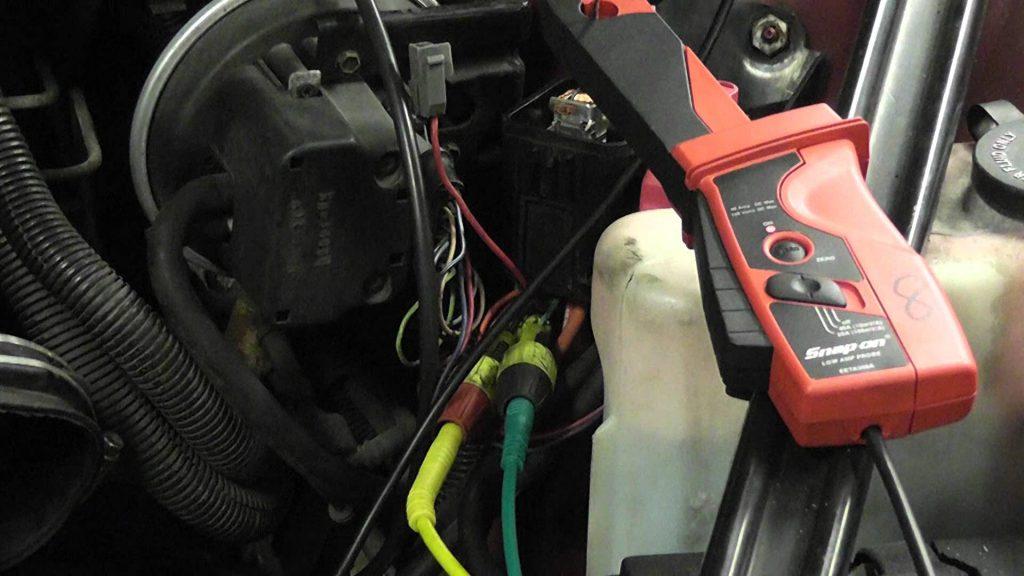
Next, it’s time for a voltage test. You’ll need a multimeter for this. Set it to measure voltage. A healthy battery should read around 12.6 volts when the car is off. Under 12 volts? Your battery might need a replacement.
- Turn off your car.
- Set the multimeter to DC voltage.
- Touch the negative probe to the negative terminal.
- Do the same with the positive probe and terminal.
- Read the voltage on the display.
Professional Battery Diagnostic Tools
Mechanics have advanced tools to test batteries. These tools give detailed reports about battery health. They check the charging system and electrical load too. This can help spot problems before they cause a breakdown.
These tools often perform a load test. They simulate the battery starting the engine. Weak batteries fail this test. If your battery struggles, your mechanic will know it’s time to swap it out.
Remember, consistent battery checks save you from surprises on the road! Always seek professional advice if you’re unsure about your battery’s health.
Preventive Measures And Maintenance
Your car is a complex machine that demands attention and care. To ensure a smooth drive, focus on the heart of your vehicle’s electrical system: the battery. Proper battery maintenance can prevent sudden power loss while driving. It’s essential to stay proactive. Here are ways to keep your car battery in top shape.
Regular Battery Check-ups
Scheduling regular battery check-ups is crucial for optimal car performance. Certified technicians examine the battery for signs of wear and test its charging capability. This often reveals hidden issues that could lead to power loss. Keep a record of these check-ups for future reference.
- Visual Inspection: Check for corrosion, leaks, or damage.
- Charge Test: Ensure the battery holds an adequate charge.
- Clean Terminals: Dirty terminals can cause poor conductivity.
Understanding Battery Lifespan
Every battery has a lifespan. Typical car batteries last between three to five years but this can vary. Factors like weather, driving habits, and device usage impact longevity. Be mindful of your battery’s age and watch for signs of deterioration.
Signs of a fading battery:
- Slow engine crank
- Dimming headlights and dashboard lights
- Electrical issues and intermittent power losses
Replacing An Aging Battery
Don’t wait for a complete failure. Replace an aging battery to avoid being stranded. Here’s a concise guide:
| Age | Action |
|---|---|
| 3 Years | Begin annual testing |
| 5 Years | Consider replacement |
An expert can help you choose a suitable replacement. Preferred brands offer reliability and longevity.
What To Do When Your Car Loses Power
Frightening and unsafe, your car suddenly losing power while driving can be due to a bad battery. This drop in power affects not just comfort but, more crucially, safety. Knowing what to do in such a scenario is paramount to protect yourself and ensure your vehicle receives proper care. Let’s walk through some practical steps.
Immediate Steps To Take
If your car starts to lose power, stay calm. You need to act swiftly but safely. Follow these guidelines:
- Turn on your hazard lights to alert other drivers.
- Maneuver your vehicle to the side of the road, away from traffic.
- Turn off any non-essential electrical systems to conserve power.
- If safe, attempt to restart the car after a few minutes.
Seeking Roadside Assistance
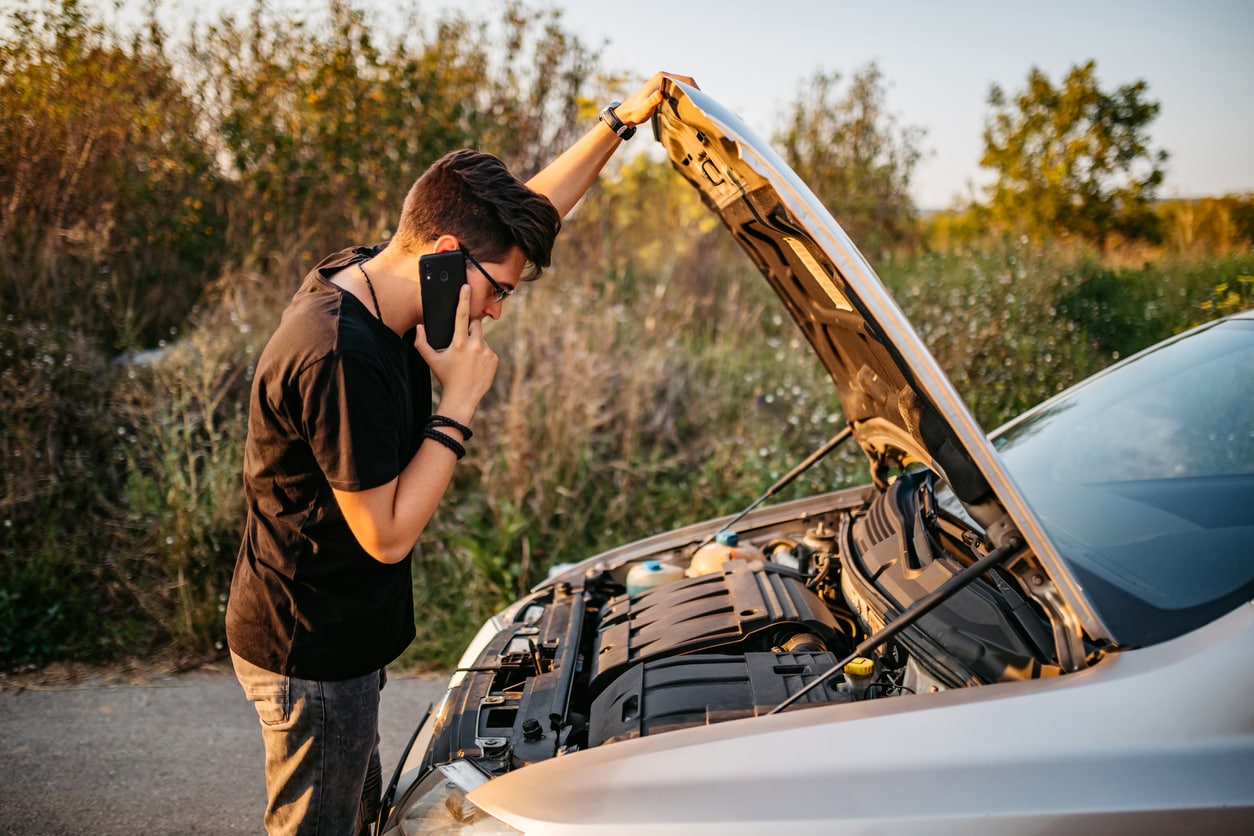
If your car doesn’t regain power, seek help. Use your phone or a road assistance call box. Give the following details:
- Your location
- The make and model of your vehicle
- The nature of your car’s power loss
Stay inside your vehicle if you’re on a busy road. Help will soon be on its way.
Long-term Solutions For Battery Issues
Regular maintenance helps prevent unexpected battery problems. Check the following to avoid future issues:
- Ensure your battery connections are clean and tight.
- Test your battery’s charge regularly.
- Replace the battery if it’s over three years old or shows signs of weakness.
Consider a trusted mechanic for a thorough diagnosis and replacement if needed.
Frequently Asked Questions For Can A Bad Battery Cause Car To Lose Power While Driving
Can A Dying Battery Cause Power Loss In Cars?
Yes, a dying battery can cause power loss since it might not provide enough electrical energy to support the car’s systems, leading to performance issues, including power loss while driving.
What Are Symptoms Of A Bad Car Battery?
Symptoms include sluggish engine cranking, dimming headlights, intermittent power loss, electrical issues, and needing frequent jump-starts. Corrosion on battery terminals can also indicate a bad battery.
Will Battery Problems Trigger A Check Engine Light?
A weak or failing battery can trigger the check engine light if the low voltage compromises the function of the car’s computer systems. Also, related charging system issues could activate the light.
How Does A Car Act With A Failing Battery?
With a failing battery, a car may exhibit slow engine start, dimming lights, electrical component malfunctions, and inconsistent power delivery, leading to potential stalls or power loss while driving.
Conclusion
A faltering battery can indeed disrupt your car’s performance mid-journey. Regular checks keep such troubles at bay. Ensure your vehicle’s power source is robust; it’s crucial for a smooth, uninterrupted ride. Remember, routine maintenance is the key to automotive health and safety on the road.