How to Trade in Car With Loan
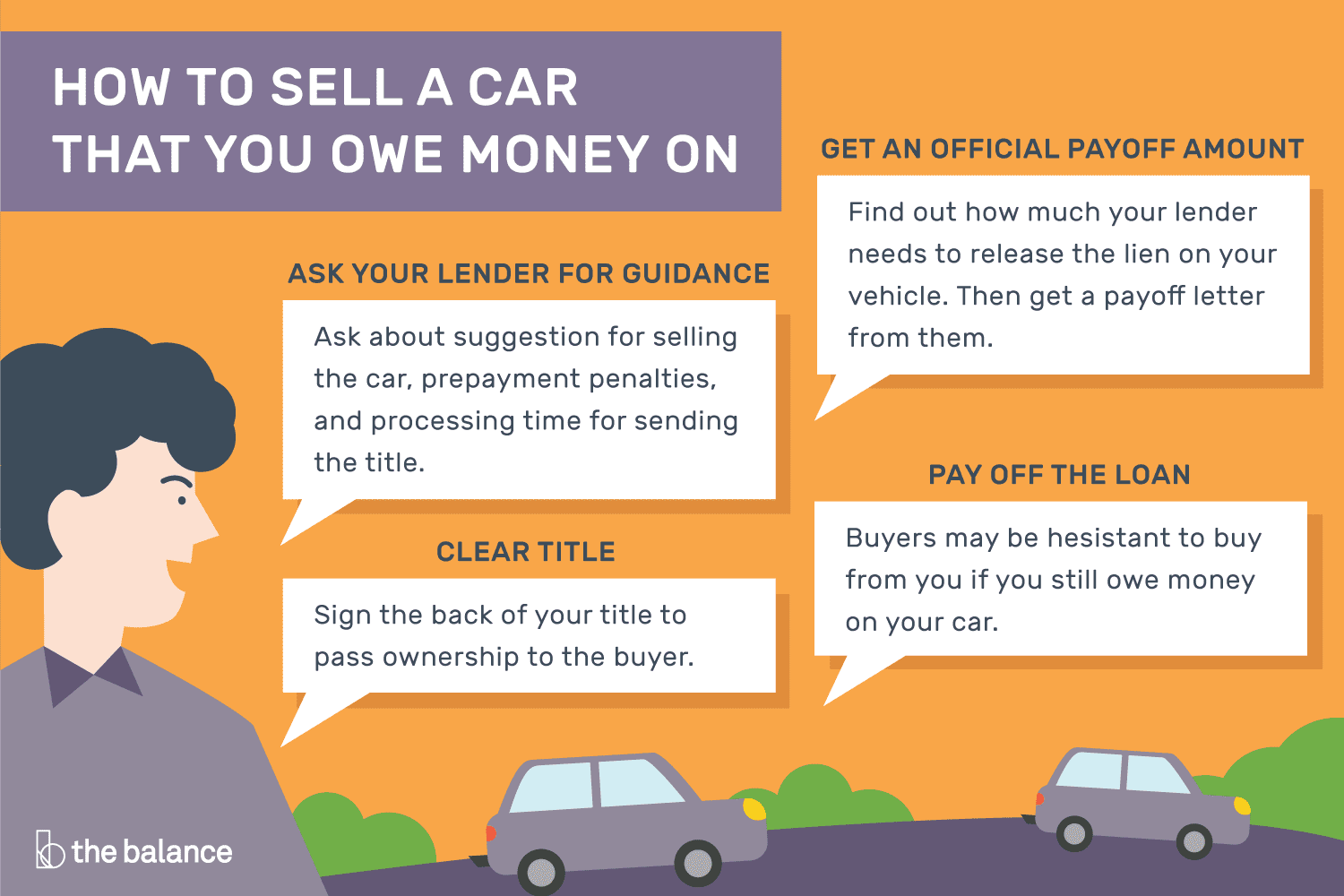
To trade in a car with a loan, pay off your existing loan or transfer it. Confirm with the lender that the loan can be transferred to a new vehicle.
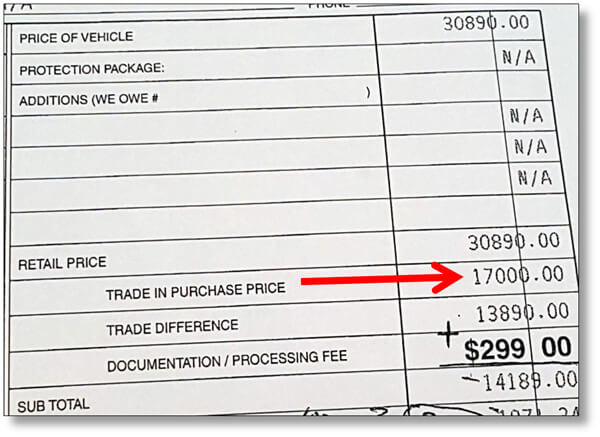
Trading in a car that you still owe money on is common and can be a relatively straightforward process when approached correctly. First, determine the payoff amount of your current vehicle loan and then assess the trade-in value of your car to understand the equity situation—whether you have positive or negative equity.
Dealerships often incorporate the remaining loan balance into the new financing agreement if you’re trading in for another vehicle. It’s crucial to carefully examine the trade-in offer and the terms of your new loan to ensure it aligns with your financial goals and does not lead to an unfavorable debt situation. Always remember to bring all necessary paperwork, such as the loan information, vehicle title, and registration documents, when you head to the dealer for a smooth transaction.
Credit: www.carbuyingtips.com
Assessing Your Car’s Value Vs. Loan Balance
Thinking of trading in your car with a loan? It’s vital to know the numbers. Find out if you have positive or negative equity in your vehicle first. This means comparing the car’s current value to the outstanding loan balance. Let’s dive into the process of getting these figures right.
Determining Current Market Value
Understanding your car’s market value is the first step. Multiple factors influence this number. Things like make, model, year, condition, and mileage play a part. Follow these simple steps:
- Visit car appraisal sites to get a rough idea. Notable ones include Kelley Blue Book or Edmunds.
- Check local listings to compare prices of similar vehicles.
- Consider getting a professional appraisal for the most accurate assessment.
Bold this process will help you set realistic expectations.
Calculating Remaining Loan Balance
Next, determine the amount you still owe. Here’s how:
- Review your loan statement, available online or from your lender.
- Check for an up-to-date payoff amount. Some lenders provide this information via phone or their website.
This ensures you know the exact figure you need to cover when trading in.
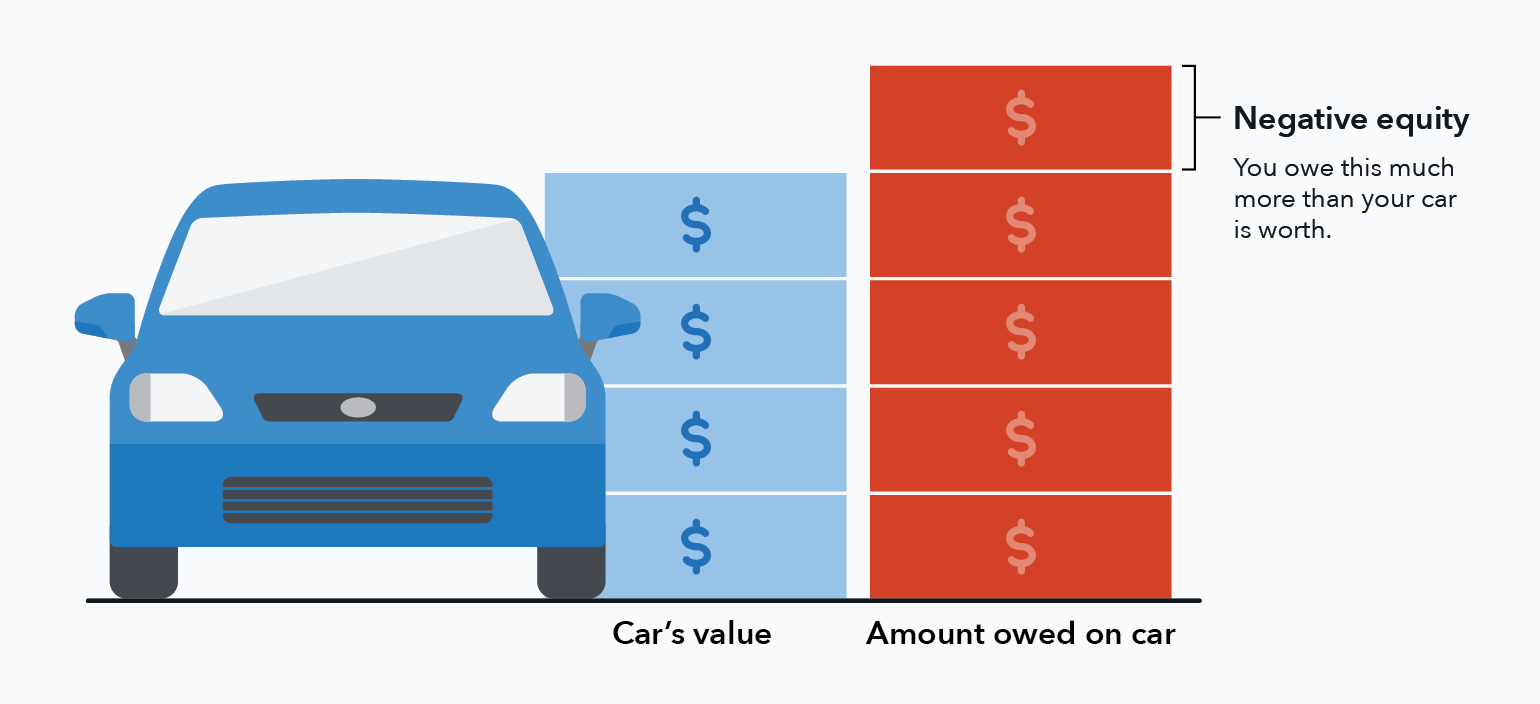
Comparing these two numbers clarifies your position. If your car’s value exceeds the loan balance, that’s positive equity. If not, it’s negative. Make informed decisions with accurate data.
| Car’s Value | Loan Balance | Equity Status |
|---|---|---|
| $12,000 | $10,000 | Positive ($2,000) |
| $9,000 | $11,000 | Negative (-$2,000) |
Armed with this info, you’re ready to approach the trade-in process with confidence.
Credit: www.consumerfinance.gov
Exploring Your Options
Are you thinking about trading in your car with a loan? It’s essential to know your options. Choosing the best path could save you money and trouble. Let’s look at ways to manage your loan and upgrade your ride.
Private Sale Versus Dealer Trade-In
Private Sale Versus Dealer Trade-in
Deciding between a private sale and a dealer trade-in is crucial. Each avenue has its unique pros and cons.
| Type of Sale | Advantages | Disadvantages |
|---|---|---|
| Private Sale |
|
|
| Dealer Trade-In |
|
|
Consider your priorities, time, and effort when making a choice.
Weighing Early Payoff Penalties
Weighing Early Payoff Penalties
Some car loans include early payoff penalties. Check your loan agreement. Understand the costs of paying off your loan early.
- Read the fine print. Look for any mention of penalties.
- Calculate the impact. Compare penalties against potential sale benefits.
- Plan accordingly. Factor these costs into your decision.
By assessing penalties, make an informed choice on trading in your car. Eliminate surprises with thorough research.
Preparing For Trade-in
Trading in a car with a loan requires careful steps. Successful trade-ins mean preparing well. Understand the process and get the best value for your car. Start with organization and knowledge of your car’s worth. Ensure your car shines and stands out. Follow these guidelines to smooth the path for your trade-in journey.
Gathering Necessary Documentation
Gather all essential paperwork before heading to the dealership. Necessary documents include:
- Title: Proof of ownership
- Loan payoff information: Current balance and account details
- Registration: Vehicle registration document
- Insurance: Proof of car insurance
- Maintenance records: Show well-kept vehicle history
These documents prove ownership and care. They also provide details on loan status. A dealership needs this information for trade-in assessment.
Getting Your Car Trade-in Ready
Making a strong first impression counts. Prepare your car for the trade-in:
- Give it a good clean. Consider a professional detail.
- Fix small issues. Minor repairs can boost value.
- Remove personal items. Present it as a blank canvas.
- Inspect tires and fill if needed. Adequate tire pressure shows care.
- Check all lights and replace any that are faulty. Functionality exhibits maintenance.
A well-presented car can lead to a better trade-in value. Simple steps make a significant difference.
Negotiating The Best Deal
Negotiating the Best Deal when you trade in a car with a loan can be tricky. It’s key to get the best value for your old vehicle while managing your loan payoff.
Understanding Trade-in Offers
Before you step into a dealership, know your car’s value. Websites like Kelley Blue Book and NADA Guides provide estimates. Understanding your car’s trade-in value sets the stage for negotiation. Dealers may offer less than your car’s actual worth. They aim to profit from the resale. Always show the dealer your research. This shows you know your car’s value. It can help you get a better offer.
Strategies For Loan Payoff Negotiation
- Check your loan balance. Your lender can provide this. Compare the balance with your car’s trade-in value.
- If your loan balance is higher than the trade-in value, this is ‘negative equity’.
- Talk to your lender about options for handling negative equity. They might let you roll over the amount into a new loan.
- Consider paying the difference between the loan balance and trade-in offer, if possible.
- Negotiate with the dealer. They may cover some of the negative equity to close the deal.
- Shop around. Different dealers might offer better terms or promotions.
Remember, trading in a car with a loan needs careful math and sharp negotiation skills. Prepare well, and don’t rush. A good deal is within reach when you have the right strategies in place.
Finalizing The Transaction
Finalizing the transaction is a critical step when trading in a car with a loan. It requires careful attention to the financial details and understanding the necessary paperwork. By following a structured approach, you ensure a smooth and transparent exchange.
Accounting For Negative Equity
Negative equity occurs when you owe more on your loan than the car’s value. Address this early in the transaction.
- Assess the trade-in value against your loan balance.
- Discuss with the dealer how to manage the deficit.
- Options include rolling it into the new loan or paying it directly.
Dealers may offer solutions, but remember, this equity must get resolved prior to a successful transaction.
Completing Paperwork And Final Steps
Proper documentation aligns with a smooth handover. Follow each step diligently.
| Document | Description | Authority |
|---|---|---|
| Loan Payoff Information | Detailed statement | Lender |
| Vehicle Title | Ownership proof | Local DMV |
| Bill of Sale | Transaction evidence | Dealer |
- Verify all listed information is true and accurate.
- Gather all necessary signatures on the required forms.
- Check with the lender for any final requirements.
Final steps include handing over the keys and receiving confirmation of the loan balance transfer. Be sure to leave with a copy of all signed paperwork for personal records.
Post-trade-in Considerations
After trading in a car with an outstanding loan, there are critical steps to consider. These safeguard your financial health and set a solid foundation for your next vehicle purchase. Mindful attention to these details will ensure a smooth transition into your new financing arrangement and help maintain your credit score.
Managing New Financing
Understand your new loan terms. It’s crucial to know the interest rate and duration. Align the payments with your budget. Early planning prevents future stress.
- Compare rates from different lenders.
- Choose a repayment term that fits your financial goals.
- Check for prepayment penalties.
Consider additional costs. Tax, title, and registration fees affect your loan amount. Including them in your financing can lead to paying more interest over time.
Protecting Your Credit Score
Maintain timely payments. A single late payment can hurt your credit score. Aim to pay early or on-time. Set up automatic payments for convenience and reliability.
| Action | Impact on Credit Score |
|---|---|
| Consistent payments | Positive |
| Late payments | Negative |
Check your credit report. Ensure your old loan shows as closed after the trade-in. Report any errors to the credit bureau immediately.
- Request a free credit report.
- Review for accuracy.
- Contact the bureau for corrections.
Frequently Asked Questions Of How To Trade In Car With Loan
Can You Trade In A Car With An Outstanding Loan?
Yes, you can trade in a car even if you haven’t paid off its loan. The dealership will pay off the remaining balance. Any equity you have in the car can contribute to your next vehicle purchase. However, if you owe more than the car’s trade-in value, you might face negative equity.
How Does Trading In A Financed Car Work?
When trading in a financed car, the dealer will appraise the car’s value. If the appraisal is more than the loan balance, the excess goes towards your new car. If it’s less, you’ll have negative equity, which can be rolled into the new loan or paid out of pocket.
What Happens To Loan Balance When Trading In?
The dealer will take care of the loan balance when you trade in your car. They either pay off the loan, freeing you from the original contract, or if there’s negative equity, it could be added to your new loan, increasing the amount you’ll pay.
Is It Better To Sell Or Trade In A Financed Car?
Deciding whether to sell or trade in a financed car depends on the amount you can get and the convenience you prefer. Private sales may offer more money but require effort and time. Trading in at a dealership is quicker and easier but might yield a lower offer.
Conclusion
Wrapping up, trading in a car with a loan doesn’t have to be complex. By valuing your vehicle correctly, understanding your loan balance, and negotiating terms effectively, you can transition smoothly into your next vehicle. Always consult with your lender and a trusted dealership to ensure a seamless process.
Happy trading!